Earlier this summer, the Post asked our readers what issues you wanted to hear candidates in contested races address leading up to the Aug. 4 primary election.
Based on that feedback, we developed a five-item questionnaire centering the issues most important to residents across Johnson County.
Each day this week, we’ll publish the candidates’ responses to one question. So far, we’ve published responses on property taxes and the county budget.
Today, we’re publishing candidates’ responses to the following question:
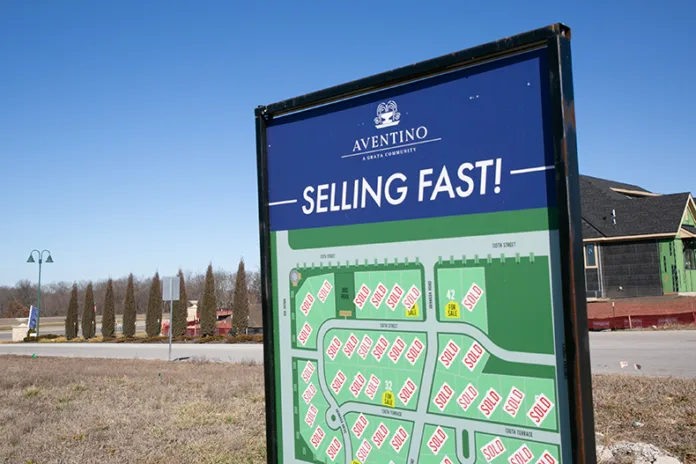
Housing was one of readers’ most-raised topics again this year. They voiced concerns about the cost of buying and renting in Johnson County and called for more housing supply. What zoning, development or incentive policies would you support to expand attainable housing while respecting existing neighborhoods?
Below are the answers the Post received from candidates on the issue:
Mike Kelly (incumbent)
 Rising home values are a sign that Johnson County is a place people want to live. We must work together to ensure this remains a community that is accessible for young families, retiring seniors, and everyone in between. I’m proud that Johnson County is bringing partners together to address the affordable housing shortage.
We’ve convened dozens of developers and contractors to understand their barriers to building affordable housing. We’ve established policies to prioritize attainable housing on county-owned land. For example, the county transferred an old MED-ACT station to a non-profit to build accessible housing for adults with disabilities. Developers can pair these land opportunities with County housing development loans, which provide gap financing for new or rehabilitated affordable housing. These partnerships have been successful in bringing more housing opportunities to Shawnee, Olathe, and Gardner.
This year, Johnson County updated its permitting procedures to reduce the time it takes to get a building permit. Moving forward, our County should explore targeted infrastructure investments, like improved roads and wastewater, that would make new housing investments more attractive. Further, we’ll continue to work with cities and all residents to explore land use, permitting, and building code reform that meets the needs and character of our existing communities.
Karen Crnkovich
 Housing affordability is one of Johnson County’s biggest challenges, but it requires leadership, not rhetoric. The county allocated more than $10 million in federal housing funds before it had a plan. That’s not leadership. That’s putting the cart before the horse.
Additionally, a work group of three commissioners won’t solve a countywide housing challenge. The county should convene cities, builders, Realtors, employers, lenders, nonprofits, and residents to identify practical solutions that reflect diverse perspectives.
More apartments are also not the answer. My goal is to remove barriers to homeownership so more families can build equity, create generational wealth, and achieve the American Dream. That means encouraging a broader mix of attainable housing while respecting existing neighborhoods and focusing on policies that help people own a home, not just rent one.
Gene Senesac
Did not provide the Post with a response.
Coming up:
Tomorrow we will publish the candidates’ responses to the following question:
Readers repeatedly raised the issue of large data centers proposed across Johnson County and tied them to concerns about the county’s water use. Several readers asked whether you’d support a moratorium on data centers. How should the commission handle data center development and the broader growth on the county’s edges, and how would you protect the county’s water supply? Do you support a countywide moratorium?
 Thanks for reading! If you value having an independent news outlet keeping tabs on local government, schools and taxes, we're asking you to contribute to our Education Reporting Fund.