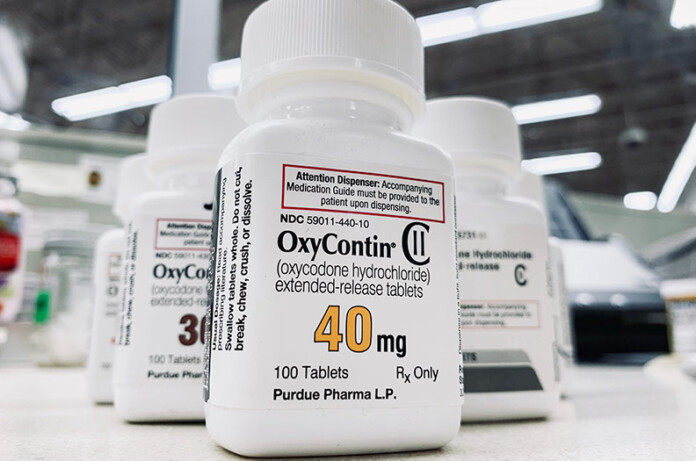
Overland Park plans to use some of the opioid settlement funds it will receive over the next several years to finance a behavioral health specialist for the municipal court.
The city will also use some of the funds to invest in other treatment supports geared primarily toward individuals who have substance use disorders.
On Monday, the Overland Park City Council voted 11-0 to empower city staff to start the process for setting up the partnership with Johnson County Mental Health for the specialist position. Councilmember Sam Passer was absent.
Where are the opioid funds coming from?
- Overland Park is expected to receive north of $4 million over the next 20 or so years from the legal settlements with pharmaceutical retailers and other firms related to the opioid epidemic.
- Millions will go to other municipalities and jurisdictions in Kansas and across the U.S. that participated in the class action lawsuits.
- The funds are intended to address substance abuse, primarily through treatment services and prevention efforts.
- Plus, the state has kept a large percentage of the funds distributed to Kansas to be doled out as additional grants.
What would a court behavioral health specialist do?
The municipal court behavioral health specialist will aim to address substance abuse and some mental health concerns as they arise during an individual’s involvement with the city court system.
Jaime Murphy, the municipal court administrator, said the focus will be on “stabilization,” or addressing immediate needs by connecting individuals with resources and support services.
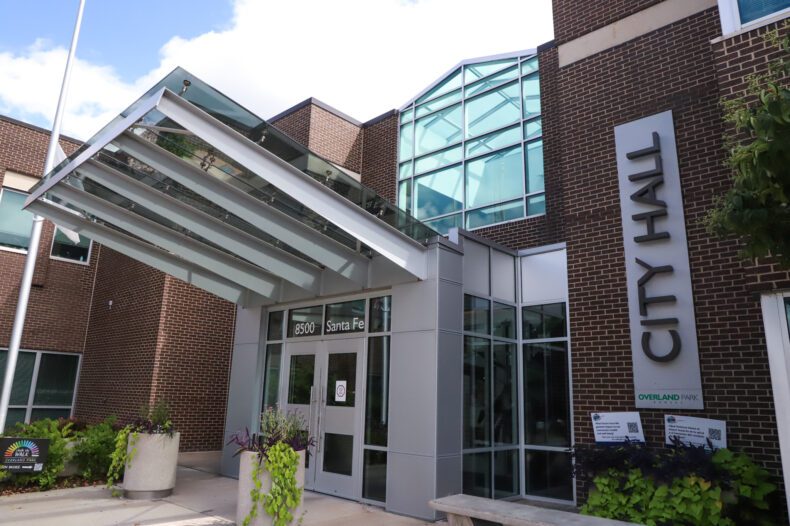
Meredith Conklin, court operations manager, said having an individual specifically tasked with that type of work would “expedite” how quickly people get access to those resources, regardless of what kind of offense they’re charged with. She also said the specialist could help with the screening process for the city’s standing mental health diversion program.
The idea, Assistant City Manager Bryan Dehner has said, is to help people get “the right care” at the “right time.”
Councilmembers have been positive about adding specialist
As part of the city council’s consent agenda, councilmembers did not discuss or individually consider the behavioral health specialist item on Monday.
However, in both the Public Safety and the Finance, Administration and Economic Development committees, councilmembers were positive about using opioid settlement funds in this manner.
In particular, Councilmember Melissa Cheatham, who chairs the Public Safety Committee, said earlier this month that she thinks this use of funds is well within “the spirit” of the rules governing how these opioid settlement dollars are to be used.
Overland Park court looking to other treatment, support efforts
- Overland Park is using some opioid funds to ramp up fentanyl screening to its municipal court supervision urinalysis panels.
- The court is also working on a pilot with Johnson County’s Department of Corrections that would connect the highest-risk defendants with residential treatment through the Therapeutic Community program.
- In the past, Overland Park also earmarked some of its anticipated opioid settlement funds to be distributed as grants through the United Community Services of Johnson County.
Keep reading: Kansas City-area politicians pick between war on drugs or treatment when spending opioid settlement cash