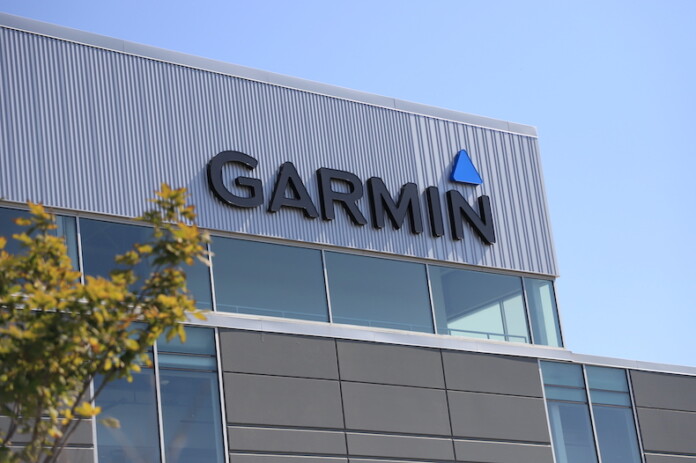
Garmin is getting a $62 million incentive package to help cover the cost of renovating some buildings on its campus in southern Olathe.
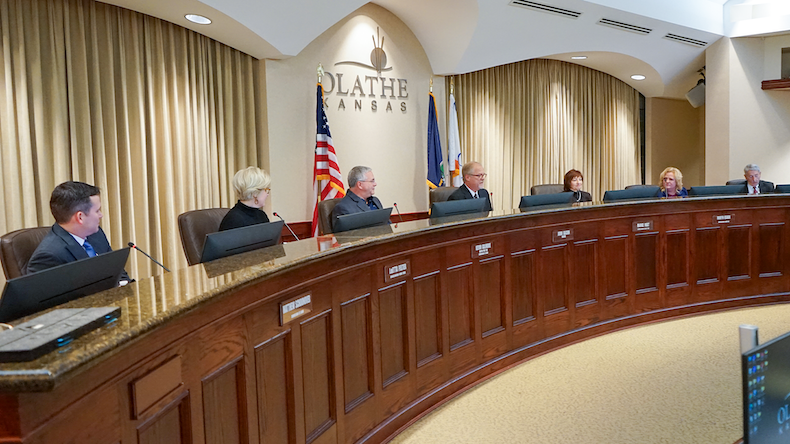
Last week, the Olathe City Council unanimously approved the issuance of the industrial revenue bonds as well as a 10-year, 75% property tax abatement.
A previous version of the city council’s agenda for the meeting last Tuesday said Garmin would receive over $88 million in bonds upon approval, but the actual ordinance puts the figure at $62 million, Mayor John Bacon said.
Based in Olathe, Garmin manufactures a wide range of electronics — including wearable GPS devices, health trackers, radar and fish finders — as well as other GPS technology for aviation and marine activities.
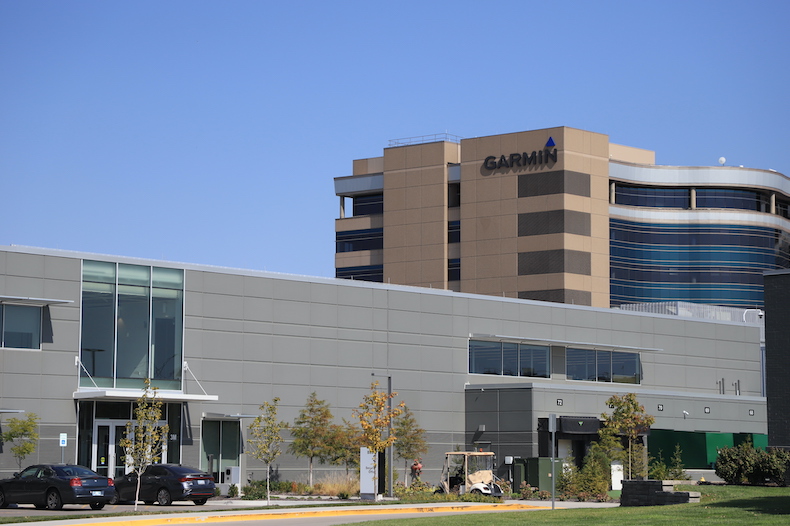
Its main Olathe headquarters campus spans nearly 100 acres on 151st Street just off of Ridgeview Road.
Garmin to use incentives on renovations
- Olathe first registered its intent to issue these bonds to Garmin in late 2022.
- The $62 million will help finance the cost of renovating and ultimately “repurposing” two buildings on the campus, according to staff documents.
- Per the 2022 application, one of the buildings was built in 1994 and another was built in 2004. Both have been used for “engineering, manufacturing and warehousing” over the years.
- The plan, at the time of the application, was to renovate the spaces to serve as “high-tech labs” as well as make room for research and development uses and some offices.
- The updated spaces are expected to house an estimated 600 employees with an average starting salary of $93,903.
- Olathe has also previously supported bonds for Garmin’s construction of new facilities on its campus for manufacturing.
Olathe has been discussing its incentive policies
Though the bond issuance for Garmin went ahead without opposition from councilmembers, there has been some discussion over the past several months about whether the city has set high enough standards for incentive qualification.
Currently, the city’s standards for incentive decisions are based primarily on a cost-benefit ratio that focuses on how much property tax a development will ultimately generate for the city and other jurisdictions. They also set a minimum private investment threshold of $10 million.
Councilmembers Matt Schoonover and Dean Vakas — two recent additions to the city council following the 2023 municipal elections — are most frequently in opposition to these applications. The pair have consistently questioned whether some of the industrial projects have proposed starting wages that are livable in Olathe.
At times, there have also been discussions about whether some of these developments are using sufficient green design.
Councilmember Marge Vogt, who is Mayor Pro Tem, has consistently voted for the industrial revenue bond applications and other incentives that come to the city council. However, she has also signaled interest in having a more substantive conversation about priorities when conducting the annual review of incentive policies.
Councilmember Kevin Gilmore has also suggested potentially setting an annual target number or dollar amount goal for each specific economic development tool for the city.
Olathe is expected to review its incentive policies and standards later this year, as it does annually.
Keep reading: Olathe warehouse project spurs bigger question: What are incentives for?
 Thanks for reading! If you value having an independent news outlet keeping tabs on local government, schools and taxes, we're asking you to contribute to our Education Reporting Fund.