As the federal government shutdown continues, Johnson County officials are hustling to keep a nutrition and education program for women, infants and children running, at least through the end of this month.
County commissioners unanimously voted Thursday to use $121,000 in reserves from its health and environment department to keep the county administration of the federal WIC (women, infants and children) program uninterrupted.
WIC has been running low on funds since the shutdown began Oct. 1. If the shutdown continues, then the commission’s vote will keep the program staffed temporarily to serve the 4,000 to 4,500 people who use it.
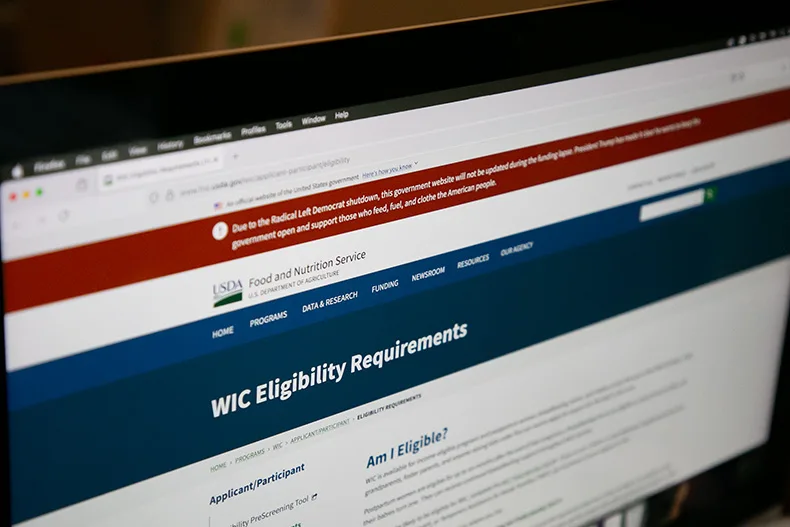
How does the WIC program work?
The program provides nutrition, education, breastfeeding and counseling to income-qualified pregnant and breastfeeding moms and children up to their fifth birthday. Fathers, foster parents or anyone caring for children of that age range can also receive those services.
It is totally funded by federal money, which is passed on to states, counties and other governmental entities. Johnson County gets money to pay for staff to enroll participants and administer the services.
Losing the local county funding would mean at least a temporary end to counseling, check-ups, and educational services, as well as the ability to enroll new clients, said county health director Charlie Hunt.
Money for the part of the program that provides food through a payment card comes from the state of Kansas. That money supply is also dwindling, but perhaps not as fast. Hunt told commissioners the state expects to be able to pay for nutrition through the end of October.
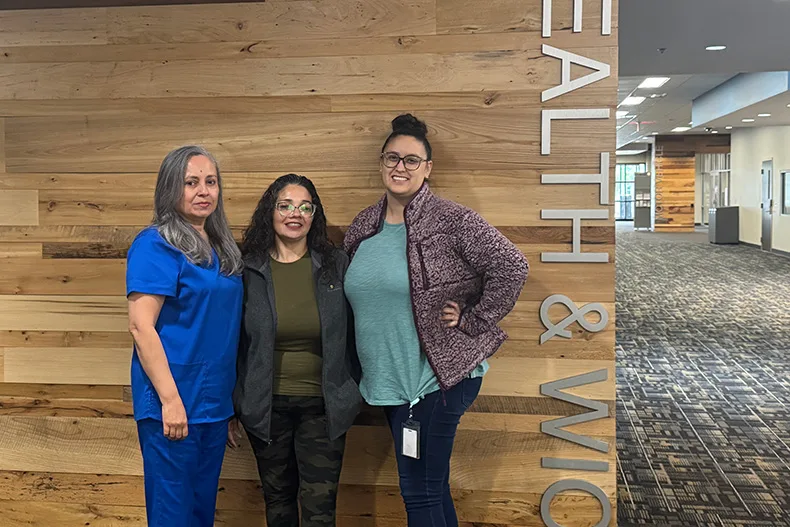
But the situation is fluid. Hunt also noted the White House has said it will use tariff revenue to fund WIC. In anticipation of that, county officials have been asked by the state health department to evaluate their needs for the program, he said. Having that source may delay the need to use the funding commissioners authorized.
Commissioners were supportive of using some county money as a stopgap while the national situation shakes out.
Commission Chair Mike Kelly said the nutritional services for young children aid in brain development and health outcomes, and they connect clients to other services. He called WIC “one of the most important programs our society provides.”
“We can let our policy be what our policy is at the national level, but here at the local level where the rubber meets the road, we are going to step up and make sure these programs continue,” Kelly continued.
Commissioner Janeé Hanzlick noted that the number of the program’s beneficiaries may be actually higher than 4,500 if all the young children are counted as well.
There was a government shutdown in 2018, but it didn’t have the same financial impact on WIC as this one because of the timing in the budget cycle, Hunt said. That shutdown happened as a Congressional funding extension expired, and not at the beginning of the federal fiscal year, he explained, so there was more money on hand then to continue programs.
If this year’s federal shutdown stretches into weeks, then county officials will have to assess how much staffing it’s feasible to keep, he said. There are 18 full- and part-time administrative staffers working on the WIC program now.
If members of Congress come to agreement and the shutdown ends, then county officials may not have to use local money at all, an outcome commissioners said they hoped for. But if county money is used, it’s not clear the federal government will reimburse for it later, Hunt said.
More county government news: JoCo has an ‘Ethics Hotline,’ but auditor says more people should know about it
 Thanks for reading! If you value having an independent news outlet keeping tabs on local government, schools and taxes, we're asking you to contribute to our Education Reporting Fund.