By Chad Taylor, the Taylor-Made Team
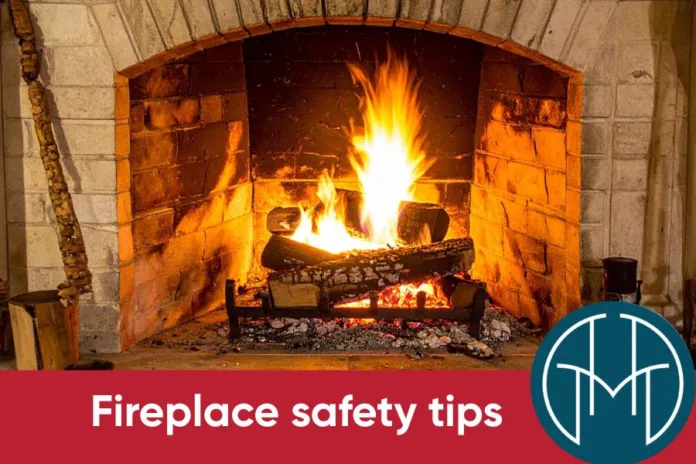
 There is just something magical about cold air mixing with the scent of a wood burning fireplace. And with bitterly cold temps rolling in this weekend again, a whole lot of people are going to be thinking about getting a fire going.
Fireplaces can absolutely be the star of a room this time of year, as long as they are properly maintained. That is the part folks forget. Your fireplace is no different from your furnace or AC in the sense that it needs annual service. The big difference? You tune up your HVAC for efficiency. You maintain your fireplace for efficiency and to avoid a house fire.
I have been present at several chimney inspections where the tech discovered evidence of a past flue fire. Every single time, the homeowner had no idea it had ever happened. That is the scary part. Chimney issues tend to stay hidden until they are not, and by then it can be too late.
A best practice is a Level 2 chimney inspection, the camera kind, and a cleaning every year. Yes, that includes gas log folks. There is a common misconception that only people who burn wood are at risk. Not true. Any natural gas heating appliance carries the concern of proper venting. If your chimney flue is dirty, damaged, or just not drafting well, carbon monoxide can come right back down into your home. And the condensation from gas fires is highly acidic. Over time, it can corrode a chimney flue from the inside out.
Now, back to the wood burners. I grew up with a dad who would seize on the first hint of cool weather as his cue to order a truckload of firewood. He and my brother Jason would feed that fireplace like they were fueling a locomotive. I loved it. As a kid, nothing beats the crack and pop of real wood, unless one of those little embers pops out and tags you.
Wood burning fireplaces are awesome, full stop. They just require the most attention. Creosote, that tar-like buildup in chimney flues, is a byproduct of burning wood. It can catch fire, cause a flue fire, and impact proper venting.
Here is a great list from the Chimney Safety Institute of America about what you need to know when burning wood:
- Get an annual chimney check. Have chimneys inspected every year and cleaned as needed by a qualified professional. This reduces the risk of fires and carbon monoxide issues from creosote or obstructions.
- Keep it clear. Keep tree branches and leaves at least 15 feet away from the chimney top.
- Install a chimney cap. This keeps out debris and animals.
- Choose the right fuel. Burn well-seasoned wood that has been split six months to a year and stored properly. Never burn Christmas trees or treated wood.
- Build it right. Place your firewood toward the back of the fireplace on a grate. Start fires with kindling or a commercial starter, never flammable liquids.
- Keep the hearth area clear. Furniture and combustibles should be at least 36 inches away.
- Use a fireplace screen. Mesh or metal screens help catch sparks before they land on your flooring.
- Install smoke and carbon monoxide detectors. Place them throughout the house and check batteries in the spring and fall.
- Never leave a fire unattended. Make sure it is fully extinguished before bed. Kids and pets need extra supervision around fireplaces.
The CSIA recommends annual inspections performed by CSIA Certified Chimney Sweeps. They have passed intensive testing on fire codes and safety standards. The National Fire Protection Association also recommends annual chimney inspections.
A little maintenance goes a long way toward keeping that magical, cozy fire exactly what it should be, safe, warm, and the centerpiece of your winter nights.
See our current listings at TaylorMadeKC.com. Follow the Taylor-Made Team on Instagram.. And follow Close-In KC for a look at some of the destinations that make KC’s close-in neighborhoods shine.