Earlier this summer, the Post asked our readers what issues you wanted to hear candidates in contested races address leading up to the Aug. 4 primary election.
Based on that feedback, we developed a five-item questionnaire centering the issues most important to residents across Johnson County.
Each day this week, we’ll publish the candidates’ responses to one question. So far, we’ve published responses on property taxes and cost of living.
Today, we’re publishing candidates’ responses to the following question:
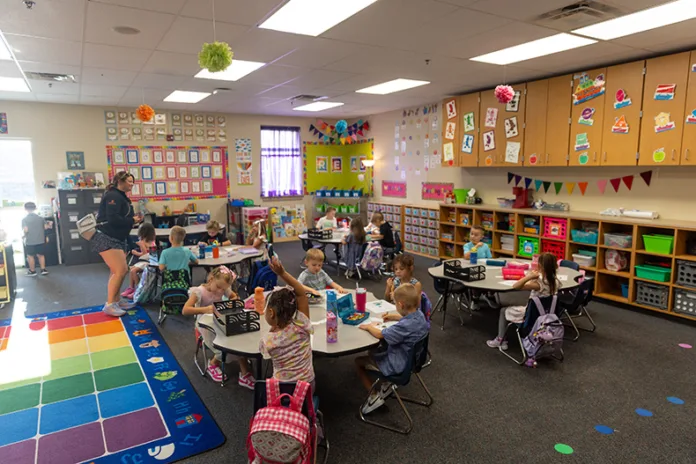
Readers pressed hardest on fully funding public schools and special education in Kansas, with several noting that some Johnson County districts sued for their legally mandated share of special education dollars. Some readers also voiced concern about the impact of vouchers on public schools. How would you fund public schools and special education? Where do you stand on diverting public funds to go to vouchers?
Below are the answers the Post received from candidates on the issue:
Cindy Holscher / KC Ohaebosim (Democratic)
 As a first generation college student, a mother of three Kansas public school graduates, a former substitute teacher, and a legislator who has consistently fought for public education, I know how important it is that every Kansas child has access to high-quality public education.
For years now, the state has failed to fully fund special education, forcing local districts to divert money from classrooms. That isn’t fair to students, educators, or taxpayers. As governor, I will make fully funding special education a top priority so districts can invest in teachers, classrooms, and student success instead of filling gaps left by the state.
I oppose diverting taxpayer dollars to private school voucher programs. Public dollars should support public schools that serve every child, regardless of ZIP code, income, or ability.
Curt Skoog / Jennifer Bacani McKenney (Democratic)
 I will fully fund public education, starting by keeping the state’s legal promise on special education. Kansas statute obligates the state to cover 92% of districts’ excess special education costs, but in recent years it has paid closer to 74 to 80%. That shortfall forces districts to pull millions from general classrooms, and it is why Johnson County districts have gone to court to make the state pay what it owes. When districts must sue their own state for money the law already requires, the Legislature has failed at its most basic job.
But full funding does not mean funding the same old way. We must keep our public schools on the leading edge of education, and that is less about spending more than about spending every dollar more effectively to secure the best possible outcomes for our students.
On vouchers, my answer is no. I oppose diverting public dollars to private-school vouchers. This session the supermajority overrode Gov. Kelly’s veto to opt Kansas into a federal scholarship-tax-credit program, steering money to private schools while public districts stay underfunded. It does nothing for the many rural counties with no private school, and it largely subsidizes families already enrolled in private school. At the renewal of the school-funding formula everything should be on the table, but the first priority must be fully funding our public schools.
Ethan Corson / Renee Duxler (Democratic)
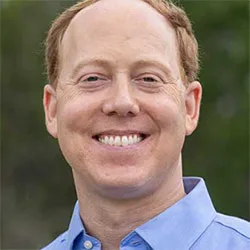 I’m a proud product of Kansas public schools, from my first day of pre-K through graduation day at Garden City Community College. As governor, I’ll have two young sons in Kansas public schools, so you can trust I’ll always stand up for our students and teachers. My first priority will be a school funding formula that gives districts the resources they need, including fully funding special education. Kansans have my word that I will veto any voucher legislation that diverts public dollars to private schools. It’s time we gave teachers a raise. Kansas is in the bottom third of teacher pay and that is plain wrong. I met a former teacher in Liberal who was waiting tables. She loved teaching but left the profession because she wasn’t getting the support she needed. That story is playing out too often across Kansas, which is why we have the second highest teacher departure rate in the country. We fix that by funding schools adequately, paying teachers what they deserve, and giving them a secure retirement to look forward to. That is why I will also strengthen retirement plans by moving educators from KPERS 3 to KPERS 2, and work with legislators in both parties to make Kansas public schools the best in the country.
Charlotte O’Hara / Michelle Dombrosky (Republican)
 I do not support vouchers because if private and or home schools take vouchers, state control will follow. Keep the government out of our private and home schools. I support closing the State Department of Education, paper shufflers which cost us $300 million annually. Stop taking federal fund and declare our independence from federal control. Federalization of education has been a disaster AND get computers out of the classroom.
Nick Reinecker / Katy Reinecker (Republican)
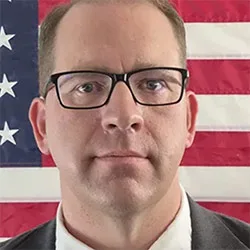 Public school funding levels are 58% of our current budget, so I hesitate to say it is a funding issue. We need the money to get to the students instead of administration. The crisis of the family is also a reason for the need for so many non-teacher classroom employees and I will do whatever I can as Governor to strengthen families. If vouchers become an option then fairness should be across the board with the option for home-schooling as well.
Stacy Rogers / Michael Smith (Republican)
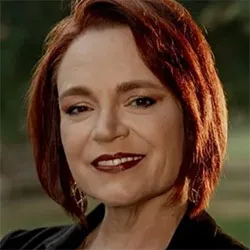 I believe the system needs to be overhauled. We need to look at proficiency an progress
based funding model as well as consolidating superintendents and diverting those funds
into good teacher retention and student success. I am also a firm believer in teaching
the child the way that they need to be taught, because at the end of the day, the
purpose of education is to prepare children to be productive adults and we need to be
able to explore all options available to ensure that success.
Philip Sarnecki / Joy Eakins (Republican)
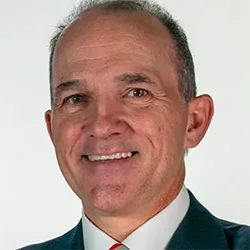 Kansas does not have a funding problem in education; it has an allocation problem. Last year, Kansas spent more money that any year in its history on education, yet student outcomes are in decline, and ACT test scores have fallen below the national average. In addition, Kansas law establishes a goal that 65 percent of education funding gets to the classroom. Last year, only 52.5 percent was allocated to the classroom, a 17-year low. As governor, I will enforce the 65% expectation. We will get more money to the classrooms, teachers, and students.
The current system incentivizes the best teachers to get out of teaching and take administrative positions to earn higher salaries. This shouldn’t be the case. I will work to create a system that rewards the best teachers and encourages them to continue teaching.
I support school choice because I do not believe that a child should be trapped in a school because the family cannot afford another option. School choice gives families options for their children’s education and requires schools to compete to provide the best education. Education funding should serve students and reward teachers that are getting the best results, not reward systems that fail to meet the needs of the students.
Vicki Schmidt / Joe Newland (Republican)
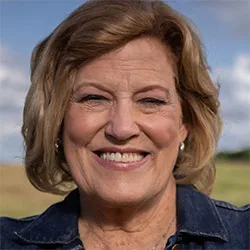 We do not support diverting public funds to go to vouchers. Our support for public schools is why a big money out of state special interest group is spending millions attacking us. Joe and I are proud products of Kansas public schools. We had a wonderful education in the public system and we will never turn our back on public schools.
We believe every Kansas student deserves a school that prepares them to be productive citizens in the real world, whether they’re heading to college, a trade, or directly into the Kansas workforce.
We will reauthorize the school finance formula with updates to improve transparency and accountability while preserving local control and funding special education. Support collaboration with the business community to help students learn about opportunities here at home and for the future. Ensure that every student knows they have options when it comes to higher education – community college, technical school, independent colleges and universities.
Scott Schwab / Ken Rahjes (Republican)
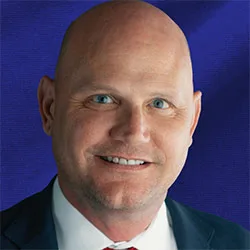 I believe the state should fully fund its obligation for special education. We need a new school finance formula that equitably funds all school districts and not be based on the narrow needs the few districts who sue the state.
Ty Masterson / Jeffrey Klemp (Republican)
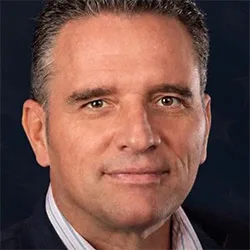 The Kansas Legislature has invested record amounts in public education, including historic funding for Special Education. Governor Kelly frequently highlights these investments, and the Kansas Supreme Court ultimately dismissed the Gannon case after concluding the state’s constitutional funding obligations had been met.
In recent years, the Legislature has also expanded public school open enrollment, strengthened career and technical education, invested in evidence-based literacy instruction, increased opportunities for students to earn industry-recognized credentials before graduation, and required schools to implement bell-to-bell cell phone policies that reduce distractions and keep students focused on learning.
These reforms reflect a student-focused approach to education rather than one that measures success solely by dollars spent. Despite record funding, there are growing concerns about declining student achievement. We must move beyond a “dollars in, dollars out” approach and focus on ensuring every student graduates prepared for college, technical education, military service, or the workforce.
That is why, as we work on a new school finance formula, I believe it must provide a sustainable funding model while directing more resources to classrooms and teachers instead of administrative growth. It should also account for the enrollment declines occurring across Kansas, including in Johnson County.
Finally, a student-focused education system must continue expanding educational freedom. A child’s future should not be determined by their ZIP code. That’s why I supported statewide open enrollment, giving families greater access to high-quality public schools beyond their assigned district, as well as expanding our current low-income scholarship program. We can and should do much more, as parents deserve meaningful choices so they can find the educational environment that gives their children the greatest opportunity to succeed.
Coming up:
Tomorrow we will publish the candidates’ responses to the following question:
Readers want candidates pressed on the Chiefs stadium incentives — the cost to taxpayers, the promises about jobs created and the secrecy of negotiations conducted under non-disclosure agreements. Do you support using state incentives to draw the team and other big companies to Kansas? How would you weigh the taxpayer cost against the promised benefits, and what transparency would you require for such deals?