
Earlier this summer, the Post asked our readers what issues you wanted to hear candidates in federal, state and local races address leading up to the Nov. 3 election.
Based on that feedback, we developed a five-item questionnaire centering the issues most important to residents across Johnson County.
Each day this week, we’ve published the candidates’ responses to one question. So far, we’ve published responses on their visions for the next decade, the state’s new housing law, taxes and spending, and Corinth Library.
Today, we’re publishing candidates’ responses to the final question:
Beyond bigger debates, readers raised some concerns closer to home: short-term rentals still operating despite a city ban, disruptive teardown construction, cut-through traffic and an aging tree canopy. What do you see as the single most pressing quality-of-life problem in Prairie Village neighborhoods, and what’s one concrete thing you’d do about it in your first year as mayor?
Below are the answers the Post received from candidates on the issue:
Cole Robinson
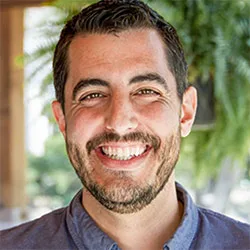 I think our city as a whole functions about as well as you will find among first ring suburban cities in the region or in America. Nonetheless, in spite of what some may say, Prairie Village is not perfect.
I think neighborhood quality of life issues vary by neighborhood. In my part of town, the aging tree canopy can be an expensive burden for a homeowner. While the City does a great job maintaining right of way trees, those outside of it are the responsibility of the owner. As these trees continue to mature, the city will likely need to do more. Similarly, areas close to the Village Shops have seen significant new home construction over the past decade. For some streets with extensive turnover, it has been disruptive for a long period of time. As Mayor, I would continue tweaking regulations around new home construction to help make it as comfortable and expedient as possible for neighbors living next to a construction project. We’ve already added fencing, signage, and enhanced enforcement around noise and worksite violations. As more ideas appear, we should evaluate and implement them.
In other areas, traffic, speed limits or e-vehicle usage can affect a resident’s satisfaction with the city. With all of these, I’ve personally worked with residents on various calming projects in Ward One and have been supportive of our Police Department’s efforts to keep pedestrians safe and make sure e-device usage is monitored. We’ve used our presence in classrooms through the DARE program to also bring education around evehicle usage, and I do think we’re seeing the effects of that work and enhanced enforcement.
All this to say, tackling quality of life issues is a constant challenge. Our city as a whole is responsive and reactive to the evolving needs of our residents. I’ve worked on Council and with neighbors through challenges big and small, and if elected Mayor, I’d continue that work over the next four years.
Inga Selders
 Short-term rentals, the impact of teardowns and new builds, cut-through traffic, and our aging tree canopy are all critical concerns I share. During my time on City Council, I haven’t just talked about these issues, I have taken real action by bringing forward multiple agenda items on them.
While all of these issues require ongoing attention, the most complex quality-of-life challenge we face is balancing neighborhood revitalization with the need to preserve our existing, affordable housing stock. As smaller, entry-level starter homes are replaced with much larger new builds, it can alter neighborhood character, strain our mature shade trees, and drive up property valuations, which heavily impacts our seniors on fixed incomes and younger families wanting to move into our community.
In my first year as Mayor, I will work to update our residential design guidelines and ensure our city inspectors regularly and responsibly inspect construction sites. Rather than relying on neighbors to call in complaints, city staff will work proactively with builders to ensure streets stay clear, drainage is managed, and mature root systems are protected.
We should welcome investment in Prairie Village, but we must also protect our modest single-family homes. By balancing thoughtful new builds with the preservation of our starter homes, we can protect our green canopy and ensure Prairie Village remains an affordable, welcoming community for every generation.
 Thanks for reading! If you value having an independent news outlet keeping tabs on local government, schools and taxes, we're asking you to contribute to our Education Reporting Fund.