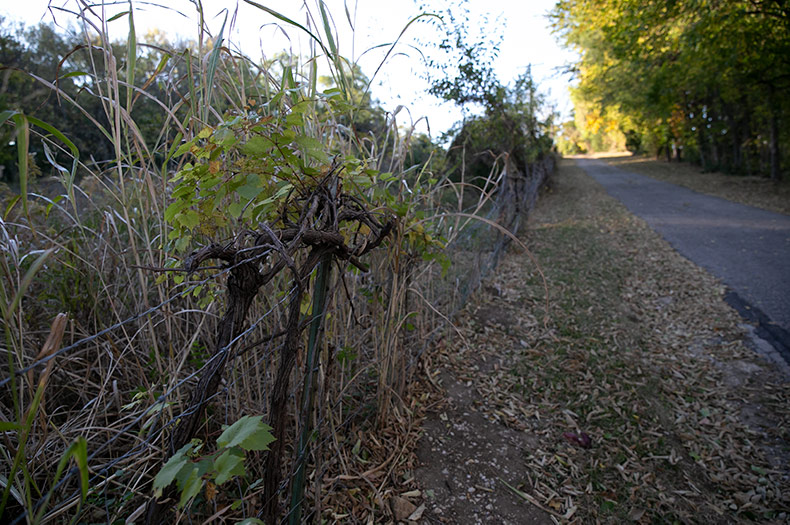
After two hours of discussion, a public hearing and much angst over perceived threat of eminent domain, the Shawnee City Council this week approved a special taxing district in a largely undeveloped area on the western side of the city.
The upshot: In so doing, the council’s 6-2 vote gave a blessing to a novel use for tax increment financing, a tool most often used to the benefit of developers.
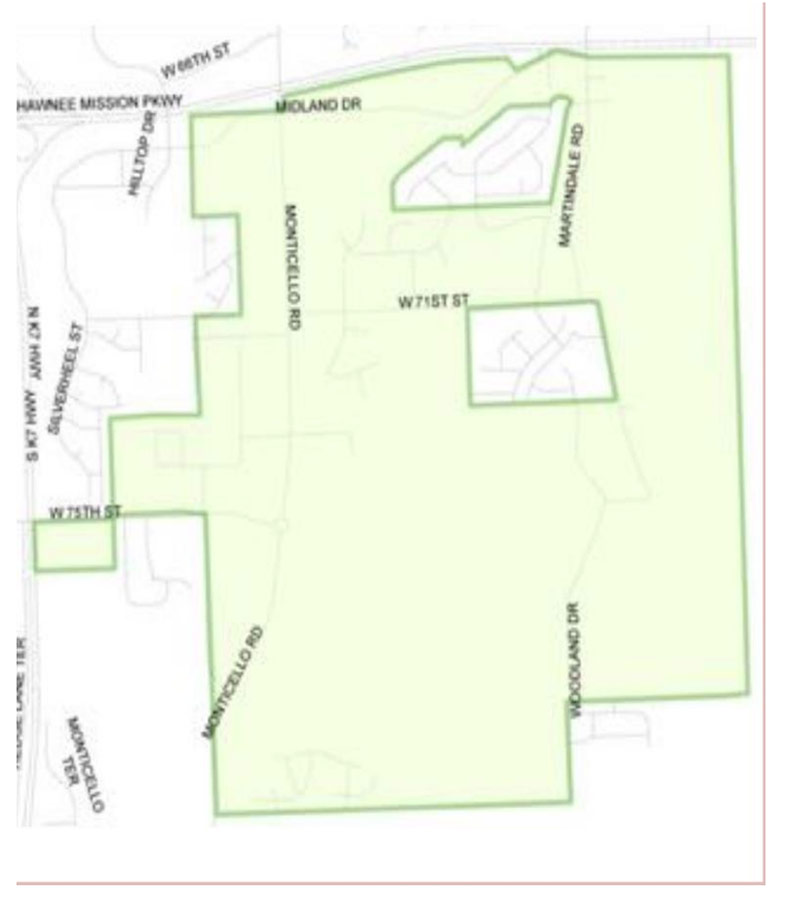
Catch up quick: The new Hickok-Zarah district, which encompasses 2.58 square miles between Monticello Road and Woodland Drive, is set up in a similar way to more traditional, developer-oriented TIFs.
- As development happens on the site, a portion of the increased revenue from property taxes will be set aside for roads, bridges and other infrastructure.
Why it matters: The Hickok-Zarah district is a rarity, though, because it wasn’t pitched by a developer.
- Instead, the city will get the tax increment money.
- City officials hope to use it to make substantial and expensive improvements to narrow roads and an overpass at Kansas HIghway 7 and West 75th Street.
State of play: Some councilmembers called it a “win-win,” because no taxes would be raised to get the expensive improvements the city doesn’t currently have the money for.
- They also noted no landowner would be asked or required to sell.
- The ordinance approved by the council sets up the district, but there are no current projects offered by developers.
- Once there are, they will still have to go through the city planning process ending with a review by the full council, the proponents said.
What they said: Having the money go to the city rather than a developer was a selling point even among councilmembers who are usually skeptical of TIFs.
- Councilmember Mike Kemmling, for example, noted he has voted against publicly funded development incentives for ten years.
- “When I first heard of this, my gut reaction was, ‘A TIF, no way.’ But then we started reading the details,” he said.
- As a city-oriented TIF, the Hickok district did not have the characteristics he usually objects to, he added.
But hold on: The plan met with some resistance from Councilmember Tammy Thomas, who said it wasn’t specific enough about how it might eventually be developed.
- “It almost sounds too good to be true,” she said.
- Thomas’s objections were focused on how people in the area might feel about getting a letter saying they were in the district.
- Not every landowner may want to sell to development, she said, although proponents said the new district does not change anything or force anyone to sell.
Key quote: “I’m not seeing anything that’s clear,” about what might eventually happen to the land, she said. “As a landowner of acreage, if somebody sent me a letter like these folks received in the mail, I would be hot. I wouldn’t have appreciated receiving it.”
In response: Councilmembers in favor of the Hickok-Zarah district emphasized that it could provide money to improve roads for the single-family developments that are already heading that way.
- “I’m having trouble understanding the mistrust here,” said Councilmember Kurt Knappen. “It would only benefit that area that these residents live in.”
- Councilmember Eric Jenkins agreed: “I’m a little bit nonplussed. It sounds like there’s a whole bunch of bulldozers and guys with construction materials lined up at the border of this TIF zone ready to charge in there and start creating this stuff overnight. That’s not even close to the truth.”
- It’s premature to say what type of development will eventually go in, he added.
Public reaction to Shawnee TIF district
The dozen or so people who spoke at the public hearing had mixed views.
- Larry Diehl said he sees the district as an opportunity “of upgrading our community up to standards of everybody else in Shawnee.”
- Others mentioned future pedestrian trails and parks.
- Tim Magaziner said the district will be “a boon to landowners.”
- But Holly Seletyn said she did not like the idea of more development around her country home, where she has lived for a year and a half. She said Monticello Road has become a “drag strip.”
- “What they call progress and what they call development, I call destruction,” she said. She also decried “cookie cutter” housing developments and loss of trees and wildlife. “You slap all these houses on there, people are all living together all packed in there like cockroaches, they have no yard to speak of but yet that’s progress?”
The final vote: Ultimately the council approved the plan 6-2, with Thomas and Councilmember Jacklynn Walters voting against.