In early June, we asked our readers about the issues you wanted to hear the candidates running for Overland Park mayor address in the lead up to the Aug. 3 primary.
Based on your feedback, we developed a five-item questionnaire touching on the most important issues to the citizens of Overland Park.
Each day this week, we will publish the candidates’ responses to one of these five questions. Read the candidates’ responses to previously published questions about affordable housing and police transparency.
Below are the candidates’ responses item #3:
Climate change continues to be top of mind for many of our readers. What steps can Overland Park take to prepare Overland Park neighborhoods for increased flooding, along with extreme heat and drought events? What steps would you like to see the city take to build climate resilience?
Here are the answers the Post received from the candidates:
 Clay Norkey
Climate change is a vitally important issue that demands our dedicated attention, and we are not immune to its effects here in Overland Park. There are two major facets to addressing climate change. The first involves efforts to slow or stop it. The second is responding to the effects climate change is having on our populations now and into the future.
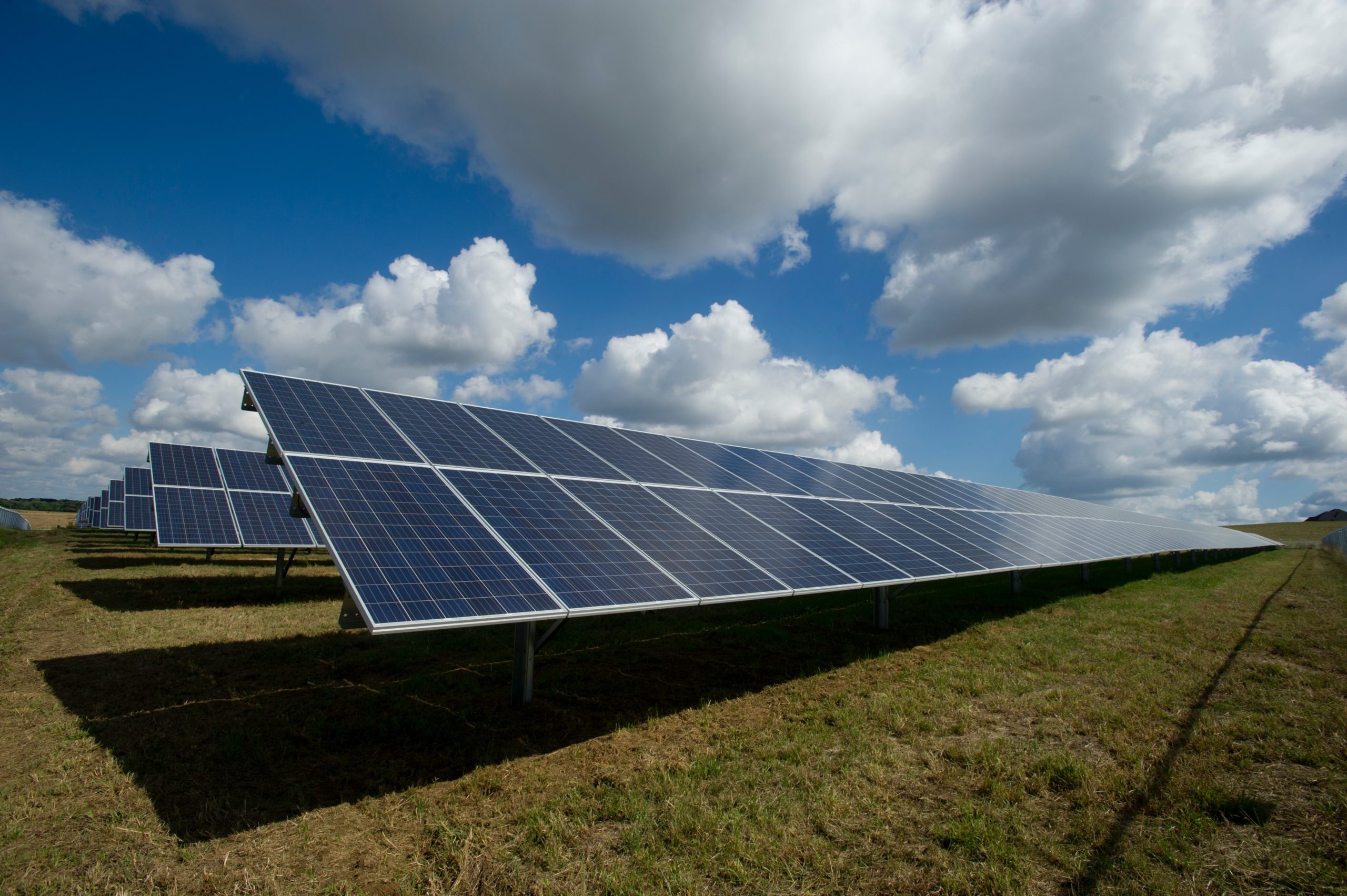
Slowing, stopping, or reversing climate change requires global action. I will join the chorus of other leaders pushing for a coordinated response. But that should not stop Overland Park from acting locally. Groups such as Climate Action KC help guide our way: “No individual or organization can do everything; yet everyone can do something.” I will join other mayors and leaders to do our part, such as implementing the Regional Climate Action Plan. I will also pursue steps that can be taken by the city, such as increasing our tree canopy to conserve energy; protecting and restoring areas of natural vegetation to help control runoff; reducing consumption; educating and promoting sustainable practices; installing solar panels and switching to electric vehicles where feasible; and making smart, long-term financial and development decisions driven by sustainability.
We are also seeing climate-change consequences right here in our Overland Park neighborhoods and the surrounding region. I have spoken with homeowners who are experiencing firsthand how flooding along our creeks and waterways is becoming more regular in certain areas of our city. Therefore, we need to respond to these effects by addressing our infrastructure needs sooner rather than later. Let’s make sure that our stormwater drainage systems, road surfaces, equipment, facilities and other infrastructure can handle these events and make upgrades where they are not. Future projects must be examined to ensure they do not exacerbate these issues and encourage implementing new technologies when applicable. These issues are a priority.
Overland Park will be a leader in sustainable practices. In doing so, our residents can feel pride in knowing their city is doing its part. And, as more and more companies focus on this issue, we will become more attractive to businesses and entrepreneurs who have prioritized sustainability. Not only is it the right thing to do for our planet, it is an important economic opportunity for our community.
 Curt Skoog
Changes in the climate are affecting Overland Park residents and city infrastructure. That is why I have been a supporter of the Kansas City Regional Climate Action Plan and the Climate Action Playbook as a city councilmember and a board member of the Mid-America Regional Council. Both documents provide extensive potential actions Overland Park can take to improve our future.
The recently approved city Infrastructure Advisory Group will perform an evaluation of city standards for building and maintaining streets. I was successful in including a review of current stormwater management practices to be considered, as well. Rain events are a predicted symptom of climate change in our area. Implementing the recommendations will likely include additional green infrastructure that will slow down water flow and provide natural filtering.
Reducing carbon emissions is important for our city and region. As Mayor, I will expand the city’s fleet of electric vehicles, electric charging stations and LED lighting. In recent years we have been converting all streetlights to LED. This project will be completed in 2021. The first city constructed charging station was installed last month at the Myron Scafe Building.
In an ongoing effort to improve the energy efficiency of new homes and businesses in our community, I will support efforts like the recently approved solar-ready and electric vehicle-ready pilot program. Overland Park will discount building permit fees for builders that pre-wire electrical circuits for future installations of electric vehicle charging stations and roof-mounted solar panels. The upfront cost of pre-wiring a building is much less expensive than adding the electrical connection after the home or building is constructed.
I will lead Overland Park to incorporate the principles of the Climate Action plan in our communities’ thinking. The first major step will be including the Climate Action Plan as a work group topic in the city’s upcoming Comprehensive Plan process. This important update will be built on an extensive public process. I look forward to your participation to keep Overland Park moving forward.
 Mike Czinege
The number one thing Overland Park can do to positively impact the environment is to stop the short-sighted approval of high-density residential property. There is an overburdening of existing infrastructure, creating run-off, unsustainable demand on utilities and requiring more and more asphalt and concrete parking structures that both eliminate natural grasses and trees as well as raising climate temperatures.
High-density development not only negatively impacts the environment, but through unreasonable levels of congestion and demand on resources, also directly impacts our quality of life.
 Faris Farassati
The need for science-based and meaningful climate action is obvious to all of us. All levels of government need to be involved with an appropriate level of funding to promote a sustainable impact.
Like any other successful project, this needs to be done in a data-oriented manner beyond empty and unachievable ambitions. In the first step, the capacity and jurisdictions of local government need to be well researched and clarified. As an example, areas such as public transportation may not be in our reach as much as areas such as enforcing minimum energy standards. This also correlates with measures that not only support the environment but also help long-term housing affordability, such as promoting energy star appliances for low and very low-income families through voucher programs.
On a wider scale, building standards can be updated in a logical manner with input from stakeholders such as people, private developers and academic experts in a way that new constructions are progressively eco-friendly and promote walkability and bike-ability. This can apply to all facilities owned by the city.
Another targeted platform is the emphasis on recycling, water conservancy and adopting circular economy waste policies. In 2018, in a presentation to our environmental advisory council (EAC), I proposed implementation of higher standards for the car wash industry in OP which could reduce the consumption of water down to 30% as well as new initiatives on disposable plastic usage.
Energy conservancy is another important area. Free energy audits for houses, facilitation of renewable energy via incentives or removal of procedural roadblocks are all applicable strategies .
Managing green spaces owned by the government in a way that it effectively reduces carbon emissions is another attainable goal. This can include tree planting and soil carbon management. Overland Park with its recognition as a tree-friendly city is the best place to practice such.
Finally, eco-friendly policies can come to help when a harmonic change in zoning is requested. This is where the constant rezoning of green space to a concrete structure as we have seen in OP not only threatens the neighborhoods but also impacts the climate.
Climate Action KC as a local group has promoted policies that deserve close attention by OP. Additionally, the Yale Center for Climate Change and Health offers a wealth of knowledge in this area. An evidence -based government as I have been promoting will incorporate all these resources towards positively impacting climate challenges.
On Thursday, we will publish the candidates’ responses to the following question:
There have been a number of complaints about the city’s use of the chip seal technique for road repairs in recent months, but less discussion about alternatives and how much they would cost. Do you support the city’s current chip seal program? If not, what should the city be doing instead to repair and maintain its roads? How much would an alternative cost and how would the city pay for it? If you do support chip seal, how do you respond to residents who say it is both dangerous to pedestrians/cyclists and damaging to vehicles?
We’re coming to Blue Valley!
Southern Overland Park residents have been asking for their own community news source for years. And this fall, we’ll be delivering it. If you’d like info on the launch date for the new Blue Valley Post — as well as opportunities to share your feedback on what we should be covering in the Blue Valley area, sign up here.