Overland Park intends to deploy speed cushions along four corridors around the city that have a history of speeding complaints.
These cushions are a traffic calming measure, which city public works staff are studying as part of Overland Park’s Safe Streets For All grant initiative, funded by the Federal Highway Administration.
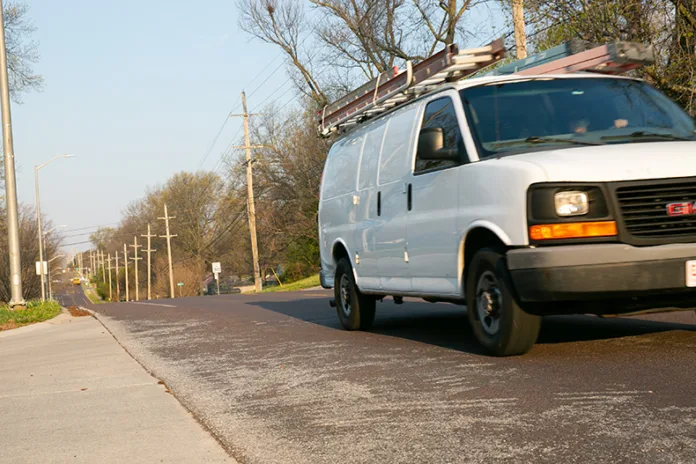
The speed cushions, which are expected to be in place for at least a year, will be placed on a mix of residential and commercial collector streets — that is, low- to medium-capacity streets that connect traffic to busier roads.
“These are locations that we know that we have had some speeding issues that have been determined, and we are looking at the use of speed cushions along these collectors,” said Public Works Director and City Engineer Lorraine Basalo during the March Overland Park City Council Public Works meeting.
Those streets are:
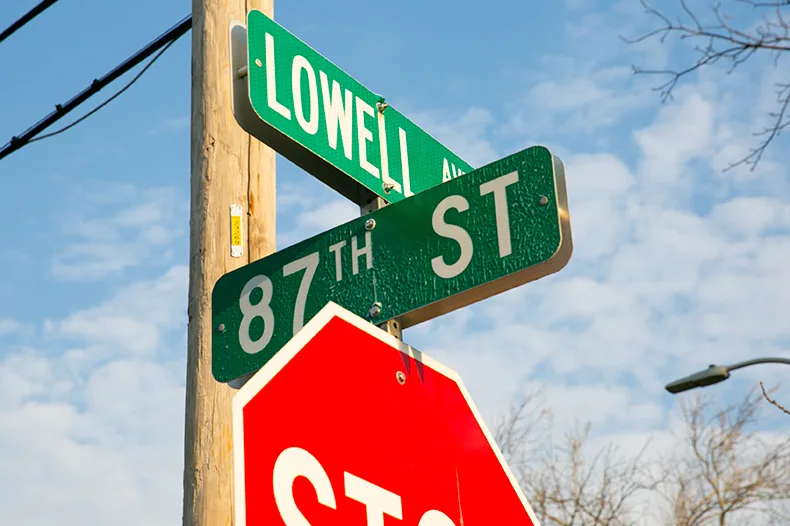
- 87th Street between Antioch Road and Lowell Avenue
- Lamar Avenue, between 99th and 103rd streets
- 133rd Street, between Antioch and Switzer roads
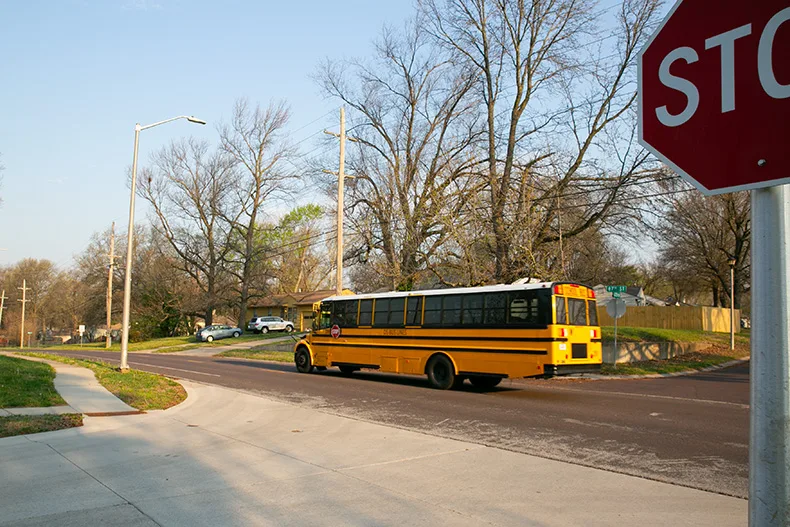
- Edgewater Drive (near Lakewood Middle and Lakewood Elementary schools), between Metcalf and Lamar avenues
Overland Park’s traffic calming policy focuses primarily on residential streets and dictates a series of steps that must be reached before traffic calming could be considered.
But, Basalo said these test projects could allow the city to explorer more options for traffic calming in locations that may not have been considered in the past.
What are speed cushions?
Speed cushions are a traffic calming tool that can be deployed on a temporary or permanent basis. They consist of usually two or more small cushions in a lane of traffic that cars and trucks go over and are intended to slow traffic down.
Brian Geiger, city traffic engineer, said these narrow rubber cushions are deployed with one on the center line of a lane and additional cushions on either side with some gaps. He said they are technically removable, though the city expects to keep them on the selected roadways for at least a year for studying.
A speed hump, on the other hand, would typically be made from asphalt and span an entire lane or multiple lanes of traffic without breaks, and are more permanent.
Basalo said speed cushions can be installed in a way that allows emergency vehicles, like firetrucks and ambulances, to bypass them essentially without their tires needing to go over them. That’s because the gaps between the cushions are wide enough so that a vehicle with a wider axel can drive through. (In the past, the city has been concerned about the potential damage traffic calming devices like traditional asphalt speed humps could do to fire trucks.)
A federal grant is funding the speed cushions
Overland Park received $500,000 to complete a traffic Safety Action Plan through Safe Streets For All, a five-year, billion-dollar federal grant program established by the Bipartisan Infrastructure Law passed during the Biden administration. The program is designed to cut down on serious injuries and deaths in traffic crashes.
Overland Park and the Kansas Department of Transportation kicked in a combined $125,000 as well, as a local contribution to match the grant.
The idea is to use the federal grant dollars and city cash to conduct a series of traffic calming demonstration projects, like those speed cushions. In addition to the demonstration projects, Overland Park will also analyze traffic safety information, both internal collision data and anonymized aggregate data procured by General Motors under a subscription.
How you can weigh in:
- In the meantime, Overland Park is also seeking input from the public on their traffic concerns with a survey that should take no more than 10 minutes to complete.
- The survey is available through April 30, though it may be extended.
- The results from that survey as well as city traffic incident data and findings from the speed cushion tests will eventually be combined to inform a safe streets plan that could guide future traffic calming efforts, road safety improvements and policy changes.
- Take the survey here.
- Additionally, Basalo said some pop up events are planned throughout the city during the spring and summer months, though she did not give specific dates.
Keep reading: Overland Park gets long-promised federal funds for road safety plan