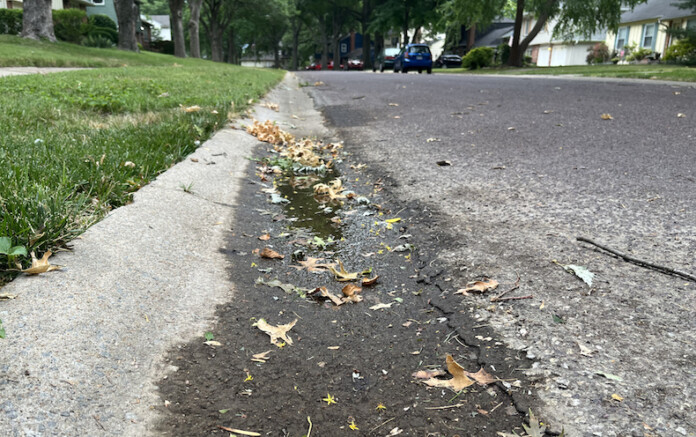
Overland Park could again raise its stormwater utility fee to help cover increasing project costs and additional work that the city is now paying for with the fund.
If ultimately approved with the 2027 budget, the increase would bring the fixed fee by $3 per residential unit, which would make it $44 for a home. This follows a series of recent increases in the past few years in line with the recommendations from a citizens’ advisory council for infrastructure.
The stormwater fee nonresidential properties pay would also increase; however, that fee is calculated based on the amount of impervious surface a structure has. (An impervious surface is a manufactured surface, like a street or pavement, that keeps the natural ground from absorbing water.)
Last week, the Overland Park City Council Public Works Committee unanimously voted to recommend approval of the fee increase, which would be charged to property owners’ annual city property taxes.
Overland Park has also proposed a roughly 0.4 mills increase to the portion of the property tax rate that is dedicated to stormwater, marking the first increase in the mill levy in several years.
What’s driving the proposed stormwater fee increase?
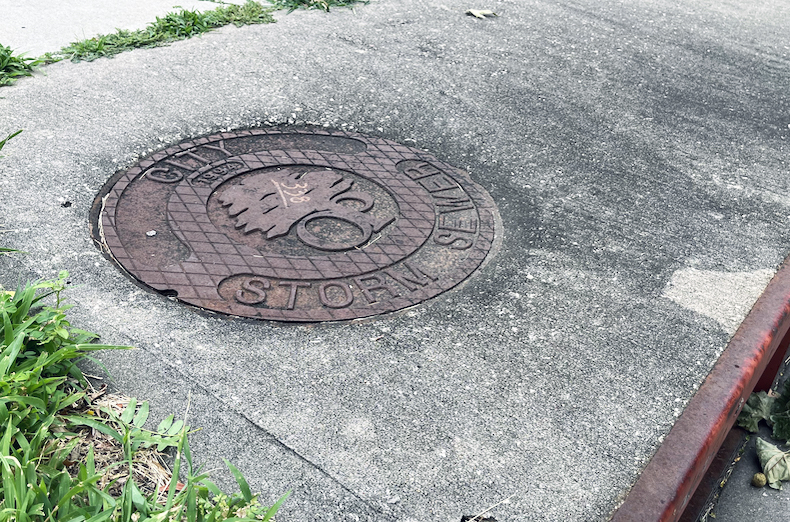
The proposed increase in the stormwater utility fee for 2027 is in line with recommendations from the Overland Park Infrastructure Advisory Group, which recommended gradual annual increases to the fee to create more funding for stormwater projects.
In particular, the group emphasized flooding mitigation projects as well as replacing crumbling curbs and gutters along city streets.
Stormwater work around the city can be costly. In 2027, for instance, Overland Park has earmarked more than $3 million for storm sewer repair alone. That work will be focused on the Oak Park neighborhood east of Bluejacket Drive, and it could include a mix of repairs and full replacements depending on the condition of the infrastructure.
While the city has increased the fee a few times since the advisory group’s report was finalized in 2022, it hasn’t been an annual occurrence. The fee was raised in 2022 by $3 to $36, then it was raised again in 2024 to $39, followed by an increase in 2025 to $41.
Now, the city is pondering an increase to $44 a year, which would add a couple of hundred thousand dollars more to the stormwater project budget. (The 2025 increase was estimated to add about $300,000 more to the budget.)
In addition to the advisory group’s recommendations to raise the fee for more stormwater money, Overland Park is using the fund to pay for a wider range of stormwater projects than the city has historically that are turning out to be more costly than initially anticipated.
One such project is the effort to dredge city-owned lakes. Those projects, which have been added to the capital projects list in the past few years, remove sediment from the lake floors to improve water quality.
However, they are labor-intensive and can be disruptive and smelly. They have also cost the city about $1.5 million apiece, more than initial estimates predicted because more work was required than anticipated.
So far, the city has dredged Wilderness Lake and Regency Lake, and intends to dredge Kingston Lake in the future. Overland Park has long-term plans to do more, specifically at the six city-owned lakes in parks around Overland Park.
Lorraine Basalo, director of public works, indicated increases to the fund are likely in the future as well. However, she said the city was not prepared to increase it beyond the proposed $3 at this time in response to some committee members voicing support for a potential $6 increase to the fee.
“We certainly feel that what we’re proposing helps us meet our needs today, knowing that we also … have to assess and understand what our needs are in the future,” she said.
Councilmember Chris Newlin agreed, calling it “prudent” to stick with staff’s recommendation at this time.
Overland Park’s stormwater fee would still be on low end
Though Overland Park has raised its stormwater utility fee multiple times in the past couple of years, the city maintains one of the lowest fee levels in the area when compared to other cities that charge one.
For example, Mission’s fee is over $300 and Fairway’s is over $200, according to Overland Park data on the average cost per residential parcel.
Additionally, Lenexa charges $109, Olathe charges $81 and Shawnee charges $73.
In addition to the fee, Overland Park also dedicates some of the revenue generated by its property tax rate to stormwater funding, about $64 per residence. That means the average homeowner is paying about $105 a year for stormwater funding currently, and would contribute about $108 under an increased fee.
According to the capital improvement plan, Overland Park has budgeted about $6.2 million in 2027 for stormwater maintenance from the utility fee.
Overland Park first adopted stormwater fee more than 20 years ago
In 2001, when Overland Park first established a stormwater utility fee, very few cities in the U.S. used that structure to help cover the cost of stormwater projects. At the time, the fee was $24.
Lori Curtis Luther, who is now the Overland Park city manager and worked on city staff at the time the fee was adopted, called it “very leading edge,” and said she worked to incorporate similar fees in other cities she’s worked in over the years.
It stayed at that level for several years before the first increase in 2017, which brought it up to $30. Two years later, the city raised the fee again to $33. After that, fee increases became more regular under the city infrastructure advisory group’s recommendations.
Next steps:
Overland Park is still developing its budget for 2027, and has until Oct. 1 to certify it. Additionally, city council committees are still studying their individual portions of the budget.
The city has scheduled public hearings for the budget on Sept. 14, at which members of the public can weigh in. The Overland Park City Council will likely vote on the budget at the same meeting.
Keep reading: How Overland Park is using native plants to prevent harmful algae blooms in city lakes