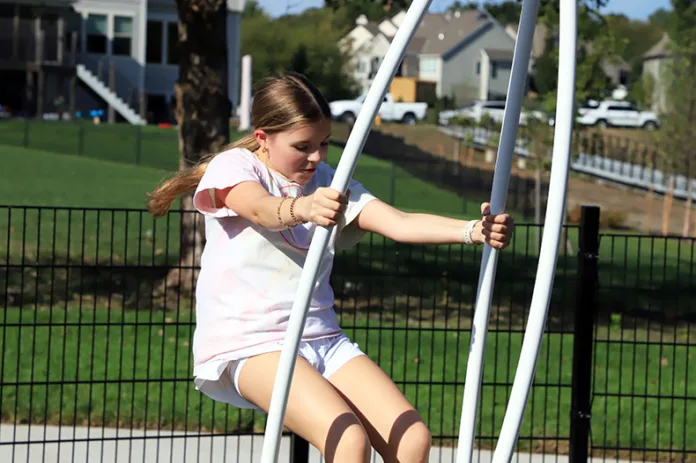
Overland Park voters will decide on a new 1/4-cent sales tax in March 2027 to help fund parks and recreation projects.
If ultimately passed, that could raise around $176 million over 10 years, which would be used exclusively for parks projects. A 1/4-cent sales tax would apply roughly two cents to a $10 purchase.
That money would go toward addressing a nearly $250 million delta identified in Playbook OP, the city’s new parks and recreation master plan, between currently anticipated spending and the full estimated cost of the new parks plan over the next decade.
On Monday, the Overland Park City Council reached a consensus on whether to move forward with the special election next year and how much to ask for. The final vote was 9-3, with Councilmembers Andrew Payne, Chris Newlin and Josh Beck voting no, during a Committee of the Whole meeting.
That vote sets up a March 2, 2027 special election to be conducted with mail-in ballots going to all registered voters in city limits.
The exact terms of the special fund that would be created by the tax and how it can be used will depend on the ballot language, which the city council will approve later.
How they voted
Here’s how members of the city council voted:
• Logan Heley: Yes
• Holly Grummert: Yes
• Melissa Cheatham, council president: Yes
• Drew Mitrisin: Yes
• Richard Borlaza: Yes
• Amy Scrivner: Yes
• Gregg Riess: Yes
• Amy Antrim: Yes
• Andrew Payne: No
• Inas Younis: Yes
• Josh Beck: No
• Christopher Newlin: No
Why is Overland Park asking for a parks sales tax?
Currently, Overland Park pulls most of its parks and rec funding from its general fund, which draws from property tax revenue and regular city sales taxes.
But Playbook OP says that’s not enough and suggested a dedicated parks sales tax and other avenues for closing a 10-year $250 million funding gap for parks.
In the case of a parks sales tax, it would earmark funds for parks, trails and recreation only that could not be diverted to other project areas. It would work similarly to the 3/8-cent OP Moves infrastructure sales tax, which is used exclusively for infrastructure.
In addition to the parks sales tax, Playbook OP also pondered increasing the cost of park rentals and decreasing city subsidization for attractions like the Overland Park Arboretum & Botanical Gardens, among other things, as a way of addressing the parks funding deficit.
Councilmembers split on bigger, smaller sales tax asks
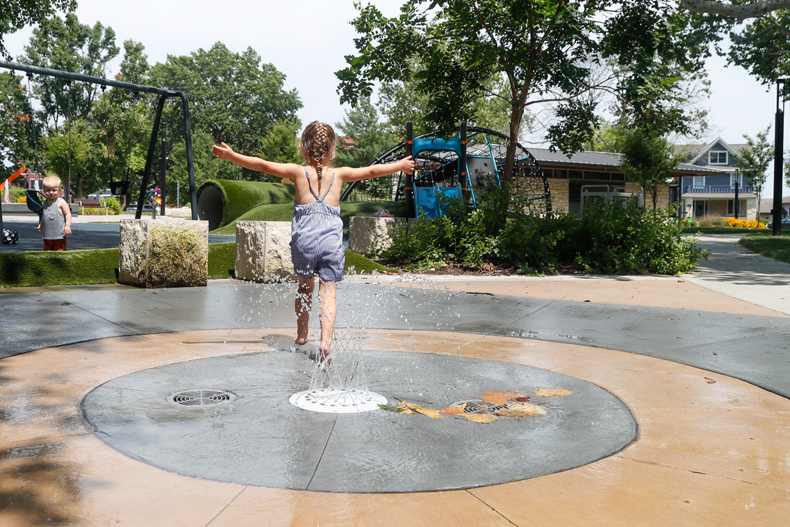
Throughout the meeting this week and in previous conversations, some councilmembers had expressed preferences for a 1/8-cent or a 3/8-cent sales tax. Some also fell somewhere in the middle, wanting the 1/4-cent sales tax.
“This is one of those hard decisions for council because this is gray, this is a gray decision,” Councilmember Holly Grummert said.
Proponents of the 1/8-cent sales tax, like Mayor Curt Skoog, were concerned about asking for too much on a brand new tax and believed that the estimated $88 million a 1/8-cent tax could generate in 10 years would be meaningful.
“We will be making significant impact on [Playbook OP] and moving it forward,” Skoog said. “It will demonstrate our continued ability to deliver for our community and continue to build confidence that we can deliver for the community.”
On the other hand, some councilmembers had voiced their support for a bigger sales tax, pushing for a 3/8-cent ask that would rake in about $264 million in a decade. Councilmember Logan Heley, who preferred that avenue, saying Playbook OP and its vision would require more.
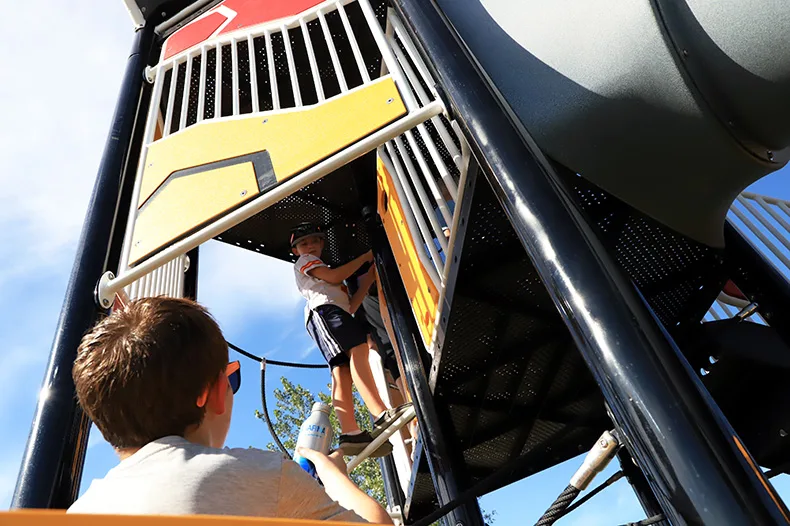
“I think we’ve kicked this can down the road for long enough,” he said. “I think it would be irresponsible, frankly, to stick with the 1/8-cent when we really are underfunding our parks and rec pretty significantly right now for a city with park in our name.”
In the end, the 1/4-cent sales tax ask won out after a series of alternative motions and amendments.
Still, Councilmember Newlin, who was among the dissenting votes on Monday, said he couldn’t support any parks sales tax at this time.
“Unfortunately, the timing of this is horrible,” he said. “The way the economy is going right now, it’s just not in a great place, and I actually cannot foresee it getting better anytime soon. … I just can’t sit here in good faith and even put [a sales tax] on the ballot at this point in time and support it.”
Councilmember Payne told the Post in a text message that he was similarly “skeptical” about a new tax and wasn’t sure “we had done enough work yet to demonstrate the need for one,” but he was leaning toward a 1/8-cent sales tax.
Parks sales tax next steps:
Now that the city council has reached a consensus on the 1/4-cent sales tax measure, they will need to approve the language that will appear on the ballot in March.
The ballot language, which is what voters would see on their mail-in ballots, would set the parameters for how the money could be used for park maintenance, repairs, replacements and development.
The city council is currently scheduled to consider a sales tax election ordinance doing just that during a Nov. 2 meeting, though they have until Nov. 16 to finalize it. After that, Overland Park’s special parks sales tax mail-in election would be set.
Looking ahead to the spring, voters would start receiving their ballots in February 2027, and they would need to return them by March 2.
If ultimately approved, the parks sales tax would start on Oct. 1, 2027, and last 10 years. After that, it would either sunset or the city would have to ask voters to renew it.
Keep reading: Overland Park won’t rebuild Bluejacket Pool, will someday close Stonegate Pool. What else pool plan says
 Thanks for reading! If you value having an independent news outlet keeping tabs on local government, schools and taxes, we're asking you to contribute to our Education Reporting Fund.