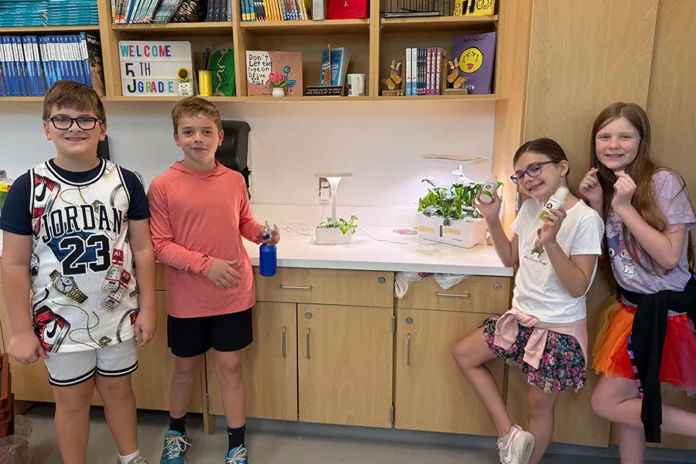
A plant-growing program from Johnson County K-State Extension has Olathe and Shawnee Mission students developing their green thumbs.
Based on a longstanding statewide program, Willie and the Salad Bonanza helps kids learn about the different factors that affect plant growth. Kids get a limited number of spinach, kale and lettuce seeds and make their own decisions about how to get their seeds to grow.
The program started Sept. 11 and runs through Oct. 27, and 140 students are participating this year.
At the elementary level, it’s mostly a straight learning exercise. High school and middle school students compete at the end to see who has grown the most plant mass.
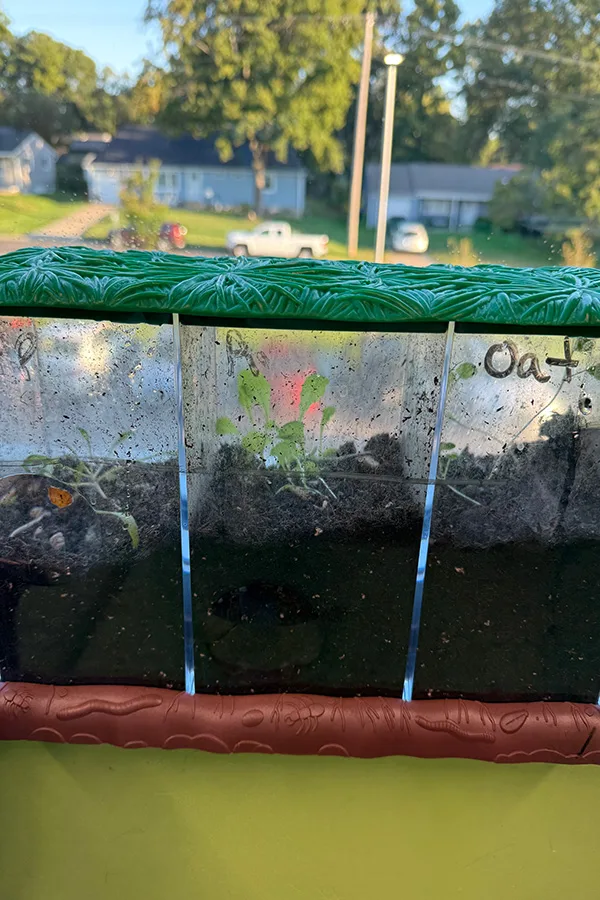
For the latter, the amount of growing medium (such as soil) you use matters. Competitors are trying to get the highest yield of above-soil greens from the smallest volume of growing medium.
The idea is that students learn about the effects of light, soil, temperature, fertilizer and even competition between plants and then apply those concepts to the project.
“It’s tied into curriculums the teachers are already teaching in, so it’s meant to enhance those curriculums,” said Anthony Reardon, horticulture and small farms extension agent for Johnson County K-State Extension.
The students generally work together in teams, often with multiple teams in a single classroom. Extension agents visit the elementary classrooms to discuss growing practices with them.
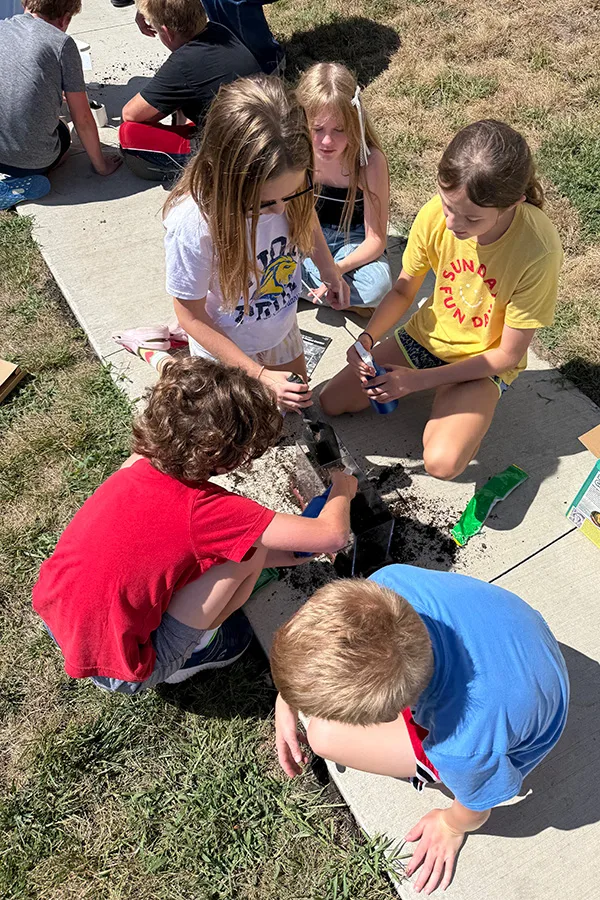
This is the third year April Cremer has done the program in her 5th grade classroom at Tomahawk Elementary School.
“I like that it is a hands-on learning for kids to actually experiment with it. They get to choose everything — how often they water it, how many seeds they’re planting — so they can really see the differences in all of the variables and have a true science experiment run for a long term. It’s not just a day project,” Cremer said.
She said kids are more likely to try eating a vegetable they’ve grown themselves, too.
The school has been in a temporary building for a few years without its garden, so Cremer appreciates the portable gardening opportunity this program brings for her students.
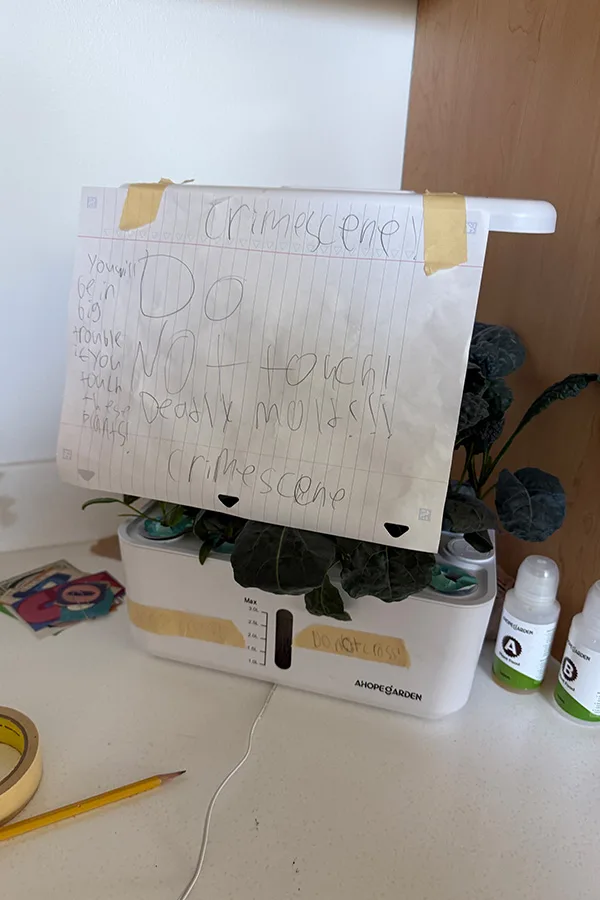
“We talk a lot about what do (plants) really need. … (This is) giving them proof right there when they’re taking care of it. If they forget to water it, or if they don’t have enough drainage or they over-water it, they can see those experiments,” Cremer said.
The hands-on nature of the program lets the kids connect to the lessons about plants from the fifth grade curriculum in a more meaningful way, she added.
“I think being able to see it and do it, it makes them understand it even more. They are very protective of their plants,” Cremer said. “… They have a lot of feelings and care for this, so they’re really engaged in the learning. That’s what I want to see in my classroom.”
Keep reading home and garden stories: Stink bugs are reemerging in Johnson County — Here’s what to know
 Thanks for reading! If you value having an independent news outlet keeping tabs on local government, schools and taxes, we're asking you to contribute to our Education Reporting Fund.