Last month, we asked our readers to tell us what you want candidates running for local office talking about ahead of the Nov. 7 election.
We received dozens of responses, some directed at particular races and many more broadly asking questions of all or most candidates.
Two major topics emerged again and again: property taxes and housing.
You’ll see that in some form or fashion, we’ll be asking nearly all candidates — especially those running for mayor and city council — versions of questions about those two much-discussed issues.
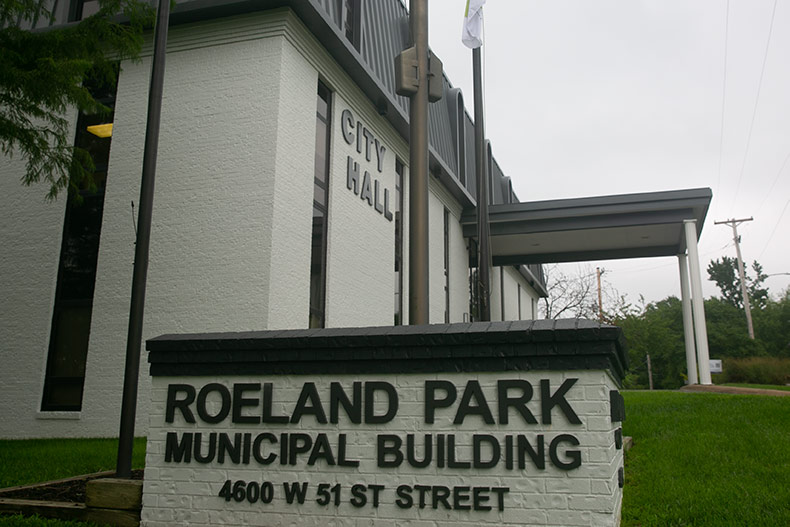
Below are the questions we’re asking candidates running in contested races for Roeland Park City Council.
We will publish the candidates’ responses to these questions the week of Oct. 23, just ahead of early voting, so you can make as informed a decision as possible about which candidates most represent your views and priorities.
Remember: The Post will also host a live, in-person forum featuring the Roeland Park City Council candidates on Thursday, Sept. 28, at Cedar Roe Library in Roeland Park.
That event is being co-sponsored by Johnson County Library. RSVP for that event here.
Roeland Park City Council questions:
- Property taxes: One of the most discussed issues among Johnson County homeowners right now is property taxes. With rising property values, many cities are seeing their annual revenues go up even if they hold their municipal mill levy — or property tax — rates flat or decrease them. Roeland Park plans to lower its local mill levy slightly in 2024. Should the city consider cutting its mill rate in the future? If yes, what would you cut from the budget to account for any lost revenue? If not, are there other forms of tax relief the city can provide residents?
- “Missing middle” housing: Housing affordability remains a hot topic among readers. Many older residents on fixed incomes feel like they can’t sell their homes and afford to stay in Johnson County, while many young, first-time home buyers can’t compete in this market with such tight, expensive inventory. Some of our readers say they want to see more affordable options come on the market, including so-called “missing middle” housing, like duplexes, townhomes and small starter homes. In what ways, if at all, should Roeland Park do to encourage “missing middle” development?
- “The Rocks” development: After years of discussion and stalled proposals, the city is finally moving forward with a mixed-use development at “The Rocks,” site of the former city pool on Roe Boulevard. The plan calls for nearly 300 apartments, a restaurant and a public plaza, among other amenities. How can the city council going forward help ensure this project benefits the city?
- Walmart and surrounding area: One of Roeland Park’s most critical retail areas is the Walmart on Roe and its surrounding complex of retail shops. But that area has seen some turnover in recent months, with several storefronts still vacant, including the CVS next door to the Walmart. Given that this retail area remains a critical part of Roeland Park’s tax base, what can the city do to ensure that complex remains fully occupied and as vibrant as possible?