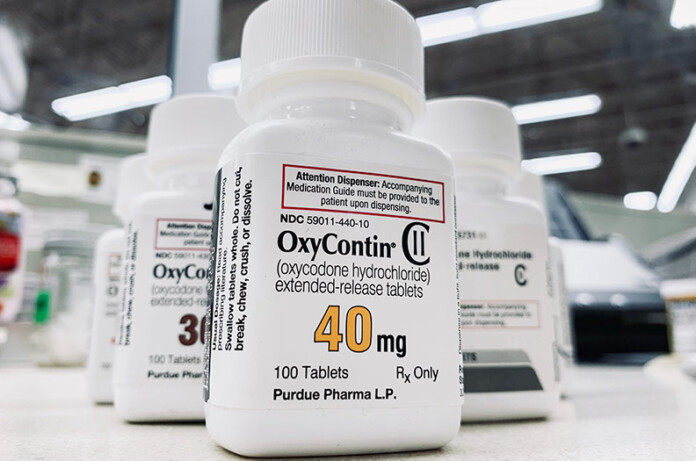
Olathe plans to use some of its opioid settlement funds to build on existing health programs and add to a growing coalition of city employees and contractors working to address substance abuse issues.
That will include a brand new pilot program specifically focused on addressing barriers to substance abuse recovery for individuals and some new hires to aid in that effort. At least initially, all of these additions will be covered by settlement dollars.
On Tuesday, representatives from the Olathe Fire and Police departments presented their plans for the new positions and program to the Olathe City Council.
“We’re trying to reach out to everybody because this is not an Olathe city government problem, it’s a community problem,” said Fire Chief Jeff DeGraffenreid, adding that everyone involved is working together to fill gaps and ensure “the best outcome for those folks” who are struggling with addiction recovery.
Olathe setting up pilot to address substance abuse
Called Olathe Guidance, Prevention and Support (or Olathe GPS for short), the new pilot program seeks to help “low-risk, high-need” individuals in the community struggling with substance abuse disorders, according to city documents.
These will most likely be people with whom city staff are already familiar — either from exposure at a library branch, through 911 calls or other means — who just need more help addressing their unique barriers to recovery, said Olathe Police Sgt. Robert McKeirnan.
“We really need to make sure we’re walking with them every step of the way,” McKeirnan said. “They can’t go this route alone, because we’re going to end up with a cycle of the same behavior over and over, and that’s not what we want to see.”
This new team will be staffed by contractor positions. One will be a case manager from the Johnson County Mental Health Center who will be dedicated to the Olathe GPS team. Another will be a licensed addiction counselor from the Health Partnership Clinic who also would be focused on this specific unit.
The targeted caseload for the team will be between 10 and 15 individuals at any given time.
The anticipated cost of this new pilot would be around $380,000 a year, and the pilot is expected to last for three years.
The team would also manage an emergency support fund expected to receive about $10,000 annually to help financially support critical needs they might find during their efforts.
“I would say the amount of money we’re spending on this seems like a lot on one day and on another day, I feel like it is hardly anything compared to the problems for our community,” DeGraffenreid said.
Olathe will also hire a new coordinator
- Olathe plans to hire a new full-time city employee with some sort of background in substance abuse, health and/or counseling.
- This individual would coordinate the efforts of the fire department’s Mobile Integrated Health Unit, the police department’s Advanced Crisis Intervention Team and the new Olathe GPS unit.
- They would oversee and work to create connections in what would then be called the Collaborative Olathe Response and Education division, which includes all three of those units.
- The cost of their salary is included in the $380,000 annual operations cost estimate of the new Olathe GPS pilot program.
Where are the opioid funds coming from?
Kansas communities are expected to receive millions of dollars over the next 18 years from legal settlements with pharmaceutical retailers and other firms related to the opioid epidemic.
Olathe anticipates receiving a total of about $2.4 million in that time frame. So far, the city has received about $850,000 of that.
The funds are intended to address substance abuse, primarily through treatment services and prevention efforts. Plus, the state has kept a large percentage of the funds distributed to Kansas to be doled out as additional grants, which Olathe city officials have suggested they plan to request.
Recently, many Johnson County municipalities have been deciding how to spend their share of the funds now and in the future. Overland Park, for example, has earmarked some of its opioid settlement money to finance a behavioral health specialist for the municipal court.
Council supports efforts to address substance abuse
There was some discussion about the long-term sustainability of the Olathe GPS pilot program since there’s a limit and set expiration date on the city’s receipt of opioid settlement funds.
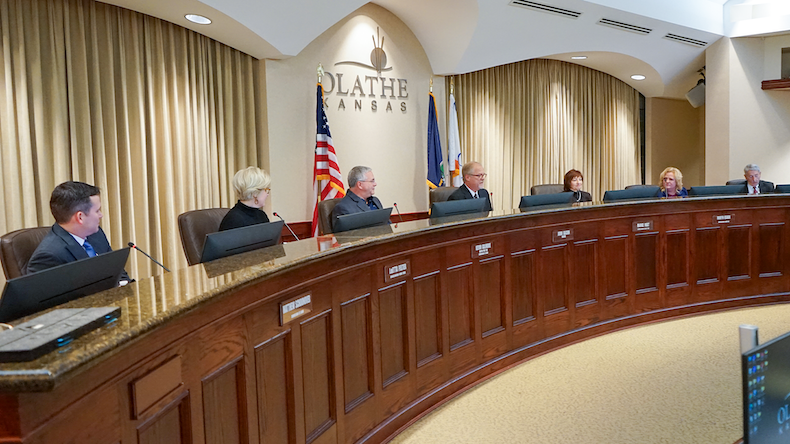
Nonetheless, councilmembers were broadly supportive of this new pilot.
“As somebody who is in recovery myself, I think this is wonderful, and anything I can do to support it from up here on the dais, I’m certainly happy to do so,” said Councilmember Matt Schoonover.
Mayor John Bacon was also in favor of the pilot, lauding city staff’s “willingness to step outside the box.”
“It’s sad for me to see our health industry grow and grow from all of these problems,” Mayor Bacon added. “So if we can do something to kind of curb this and get a handle on it and reduce some of our medical costs, we’ll be better off as a society.”
Next steps:
- The city council hasn’t taken action on the pilot program or the new hires yet.
- They will formally vote on all of that during their next meeting on Oct. 15.
- Down the line, there may be additional conversations about how to spend opioid settlement funds or ways to fund this particular pilot program with other sources of money.
Looking back: How Olathe hopes to use some of its opioid settlement money