CORRECTION: An earlier version of this story incorrectly stated that Overland Park had distributed, on average, $425,000 to nonprofits through the CDBG program in the past couple of years. That is the amount of money the city had planned to distribute through the CDBG program in 2025.
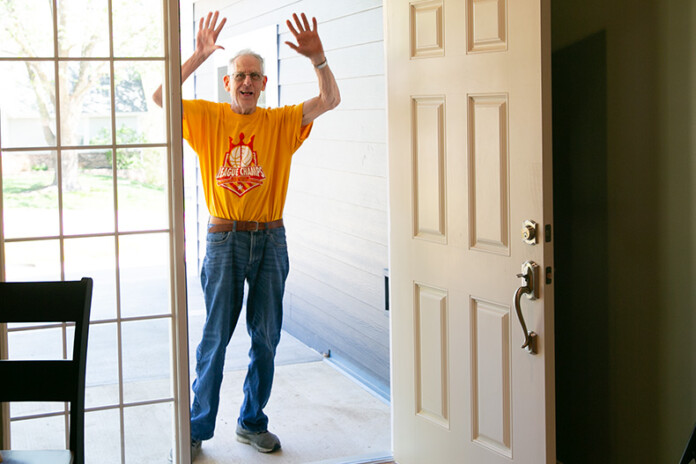
The way Janel Bowers from Friends of JCDS sees the situation, it’s all been “pretty traumatic.”
She’s talking about losing out on the money the nonprofit — which provides affordable housing for adults who have intellectual and developmental disabilities in Johnson County — has received each year from the city of Overland Park through its annual federal Community Development Block Grant program.
In the past, Friends of JCDS had received around $100,000 each fiscal year to support its work, and the money helped pay for a series of projects over the years.
“When that disappears, it’s very hard to replace,” said Bowers, who is the executive director of the nonprofit. “We’ve had to stop a couple of projects that I would have liked to have completed because the funding is simply not there.”
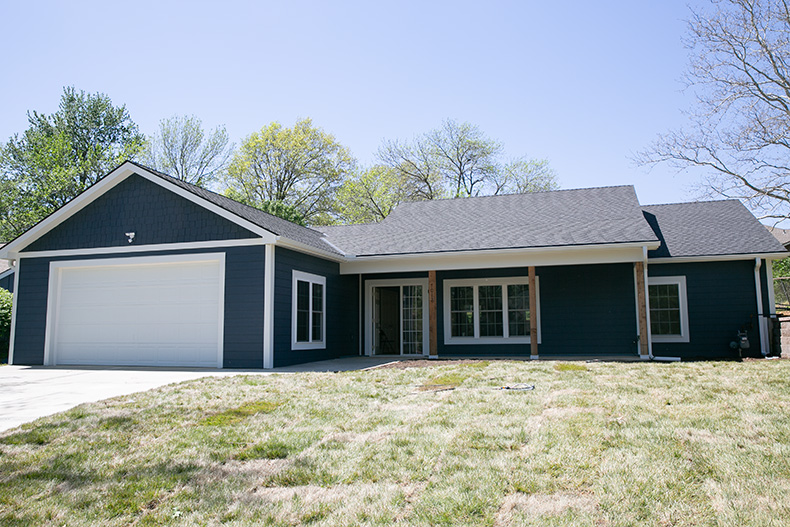
For example, Friends of JCDS had tentatively planned to use its 2026 allocation to replace a driveway at one of its existing homes and renovate an accessible bathroom at another. Those projects are “on hold,” Bowers said, and the nonprofit is assessing its future plans in Overland Park.
Friends of JCDS isn’t alone; none of the nonprofits and public service organizations Overland Park has previously supported with its annual allocations from the CDBG program are getting that money anymore.
That’s because Overland Park has made significant changes to its annual CDBG program, following changing federal regulations that would require the immigration status of individuals who receive any support from the program to be collected and reported.
It comes on the backdrop of increasingly aggressive immigration enforcement under the Trump administration. At the same time, the federal government has also started using federal grant programs and local government funding agreements as a way to force jurisdictions to cooperate with ICE as the agency carries out detainments and deportations.
What is a Community Development Block Grant?
First enacted in the 1970s, the federal block grant program from the U.S. Department of Housing and Urban Development has distributed billions of dollars to local government agencies like the city of Overland Park to use on specific community development efforts, like housing support for low- or moderate-income households.
In 2025, Overland Park received just shy of $700,000 from HUD through the CDBG program.
Historically, in Overland Park, some of that money has stayed with the city to help cover the cost of running the program, and additional funds have also gone toward city-backed neighborhood improvements or public facility projects.
A large portion of the CDBG money has been disbursed through grants to local nonprofits and other charitable organizations that serve low- to moderate-income households for specific uses.
For example, money distributed to the Metropolitan Lutheran Ministries was earmarked for emergency rent and utility assistance programs.
New federal rules require immigration status verification
In late 2025, HUD rolled out additional rules to the program that require states and local governments that disburse the grants to verify the immigration status of all recipients. The new HUD rules do not specify how that’s to be handled, and they have faced some legal challenges.
Members of the soon-to-be-dissolved Overland Park Community Development Block Grant Advisory Committee, which used to help the city decide how to spend its annual CDBG money, told the Post that the immigration status verification requirement led to this change.
In an emailed statement to the Post, city spokesperson Meg Ralph confirmed that.
“Overland Park staff believes that the new contract provisions for Community Development Block Grant funds would require the City to implement systems to verify the citizenship status of all recipients of such funds and potentially disclose applicants’ citizenship status to the federal government,” she said. “We know residents want Overland Park to be a welcoming community, and the City has previously stated it will not accept federal funds that require the City to change operations to support federal immigration initiatives.”
Overland Park intends to use CDBG money for parks, infrastructure
In December 2025, the Overland Park City Council voted to amend its CDBG plans for that year and future years, effectively ending the city’s longtime use of those dollars as direct grants to nonprofits and service organizations in the community.
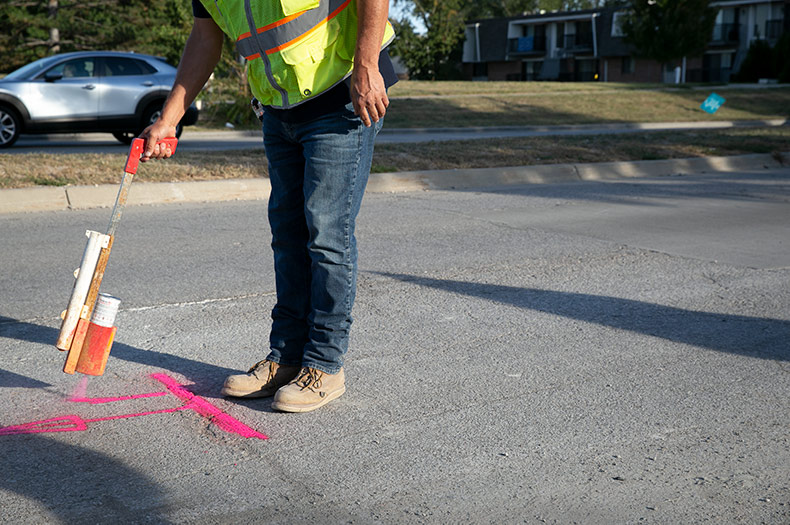
As part of that action, it also formalized the city’s plans to instead keep all CDBG funds and reallocate the money that had previously been distributed to nonprofits for parks and public works projects instead.
It’s something Erin Ollig, Overland Park’s strategic planning manager, said she’s upset about during the Aug. 20 advisory committee meeting.
“It’s upsetting to me that we’re having to do this, but this is where we’re at right now,” she said tearfully.
In past years, the city used about 20% of its CDBG funds for that purpose, but now it plans to use almost all of it for those sorts of projects. Federal CDBG rules do allow communities to use CDBG money for neighborhood improvements and other public projects.
Additionally, using the funds in that way would not require the city to establish an immigration status verification process, Ralph said in the emailed statement.
She also said the money could go toward “building infrastructure … in some of Overland Park’s highest-need neighborhoods.”
“Delivering infrastructure projects is core to the City’s mission and allows the City to support residents to the best of our ability in the current climate,” Ralph said.
The city is still working through details, but city staff members have discussed potential ideas at recent CDBG advisory committee meetings, including using money in 2027 to build an accessible playground or establish a septic system removal program.
CDBG advisory group wants Overland Park to take a different tack
In the past couple of months, members of the advisory committee have expressed discomfort with the new plan, skeptical that it’s in line with the original goal of the CDBG program to support low- to moderate-income households.
Sara Prem, the committee’s chair, and committee member Mary Coffman in particular have been outspoken and have pushed the city to pursue alternatives.
One option Prem and Coffman raised was to replicate what the city did for fiscal year 2025. For that program year, the city used other funds as a stop-gap to replace the CDBG money the organizations had been expecting. That means those nonprofits still got their money from the city as promised, just not through the CDBG program.
“We just feel like it’s important for the city to honor this program that helps people in our community that are vulnerable,” Prem told the Post. “I don’t quite understand any reluctance to do it again.”
In her eyes, the $425,000 the city would need to put up to match the amount previously distributed to the direct service organizations like Friends of JCDS or Growing Futures is a “rounding error” for a city with a budget expected to exceed $500 million in 2027.
She thinks the city, if it tried, could find the money to continue to provide grants, especially if it’s going to keep all of that CDBG money for itself.
During the June advisory committee meeting, Assistant City Manager Jack Messer said that wasn’t something city staff intended to do.
“Many of these programs are not in the basic core of services for the city,” he said. “We’re not excited about losing funding for those programs either.”
However, Ralph later said the city is now discussing doing just that for 2027.
Another option Prem and Coffman have advocated for is to defer Overland Park’s CDBG money to Johnson County, which already handles CDBG money for most of the cities in the county that receive it.
Johnson County, like Overland Park, would be subject to the Trump administration’s new CDBG rules, but is still divvying up CDBG money. Last year, Andy Hyland, a spokesperson for the county government, said in an emailed statement that Johnson County did “not anticipate” making changes to its program in light of new federal guidelines.
What’s happening now?
Coffman and Prem want to see the city council study alternatives to the city’s current plans to keep all of its CDBG money for parks and public works projects, and they say they have asked for it to be discussed more thoroughly during a Committee of the Whole meeting.
“I think that’s sad for a city this large with this much money that we don’t feel a responsibility to those that need help,” Coffman said.
But the city seems poised to disband the CDBG Advisory Committee on which both Coffman and Prem have served for years before the year is over.
Currently working its way through the city’s legislative process is an amended Citizen Participation Plan for the city’s CDBG program that eliminates the advisory committee altogether.
Prem, Coffman and other committee members seemed resigned to the fact during their most recent advisory committee meeting last week, though they didn’t like the idea.
In fact, when asked to vote on the recommendation from staff to endorse the plan, the committee members who were present unanimously recommended denying it and officially advocated for a Committee of the Whole meeting.
Still, the amended plan goes to the Overland Park City Council Community Development Committee for consideration next Wednesday, then to the full Overland Park City Council.
Local nonprofits try to make up for lost CDBG money
In the meantime, the nonprofits and charitable organizations that previously received CDBG money from Overland Park are scrambling to fill the hole.
Growing Futures received $15,000 from Overland Park through CDBG in 2024. That money went straight to the early education center’s wraparound services fund, which covers things like preventative health screenings and other care services for students.
“This funding allowed us to fill that gap,” said Larry Lewis, executive director.
Growing Futures is still seeking alternative funding to cover that deficit.
“We don’t know when that will be found, so the unknown of the ability to fill that gap is where we sit right now,” Lewis said.
Both Lewis and Bowers from Friends of JCDS are hopeful they will be able to make it work for their respective nonprofits.
“I guess I have hope for the future,” Bowers said. “Right now it’s very sad. Let’s just hope it gets better.”
Keep reading: Vacant Overland Park ambulance station to get new life as housing for adults with disabilities