Earlier this summer, the Post asked our readers what issues you wanted to hear candidates in federal, state and local races address leading up to the Nov. 3 election.
Based on that feedback, we developed a five-item questionnaire centering the issues most important to residents across Johnson County.
Each day this week, we’ll publish the candidates’ responses to one question. So far, we’ve published responses on property taxes and state tax policy, and public schools, special education and vouchers.
Today, we’re publishing candidates’ responses to the following question:
More than a dozen readers who sent us emails brought up housing affordability, saying rising rents and home prices are pushing housing out of reach for many. On the other hand, some readers expressed worry about the pace of apartment construction in their neck of Johnson County and noted that many apartments being built are also not affordable. What is one specific thing the Legislature should do to make housing more affordable in Johnson County?
Below are the answers the Post received from candidates on the issue:
District 5
Henry Johns (Democratic)
 Property Taxes are reaching levels that make home ownership difficult for younger people starting out and for older Kansans. The legislature played a role in our tax problems when it failed to fund the Local Ad Valorem Tax Reduction (LAVTR) Funding. Kansas counties lost over $1.7 billion in revenue since 2001, placing the burden on counties to raise the mill rate. The Super Majority Legislature refused to fund the LAVTRF and then repealed the statute (KSA 79-2959). The Legislature can and should fix the problem by fully funding our schools and returning the LAVTRF.
The legislature has given tax incentives to businesses for years. Is it possible to use similar incentives on new construction to help keep rents down? I think it is worth looking into.
Courtney Sappington (Republican, incumbent)
Did not provide the Post with a response.
District 8
Chris Croft (Republican, incumbent)
 The first issue we need to address when it comes to housing affordability is property taxes. Significant property tax increases are making it harder for families to afford their homes and in some cases, pricing longtime homeowners out of the communities they love. Requiring voter approval for property tax increases above the rate of inflation would provide an important safeguard against these dramatic spikes.
But there is no single solution to housing affordability. In recent years, the Legislature has taken a number of steps to encourage new housing development including incentives for new housing projects and measures designed to streamline the permitting process for new construction.
Ultimately, housing affordability is also a matter of supply. Increasing the number of homes available can help relieve upward pressure on prices. That means creating a tax and regulatory environment that encourages builders and developers to invest in our communities, removes unnecessary barriers to construction, and makes it easier to build the homes Kansans need.
Megan Phillips (Democratic)
 I would vote to restore the 2022 affordable housing tax credit which helped to quadruple state and federal housing construction. Unfortunately, this program is set to expire in two years. I would also make sure that the program had specific guardrails in place to ensure that a substantial portion of any new development is kept at affordable levels for the average family which equates to price tags well below the county average of $600,000. Individual cities can still regulate safety, density, and neighborhood compatibility, but we need to work to make sure that teachers, firefighters, and police officers can afford to live in the communities they serve. In addition to this, I would also
like to see the state of Kansas raise the minimum wage to $15 per hour and expand access
to Medicaid for families so that day to day expenses can be more easily managed.
District 14
Charlotte Esau (Republican, incumbent)
 Housing affordability is a real concern in Johnson County. The cost of buying a home has risen significantly, making it especially difficult for young people and first-time buyers to achieve homeownership.
I believe we should address the underlying causes of high housing costs rather than relying primarily on taxpayer subsidies. One way to do that is by reducing unnecessary regulations and red tape that make housing more expensive to build.
That’s why I supported Senate Bill 418, the By-right Housing Development Act, which became law this year. It streamlines permitting, allows smaller lot sizes for qualifying homes, and makes it easier to develop certain accessory dwelling units. These changes are intended to encourage more housing choices and reduce construction costs while respecting local communities and their needs. I’ll continue supporting commonsense reforms that reduce unnecessary costs, encourage housing development, and respect local decision-making.
Affordability doesn’t end with the purchase price. Even after someone buys a home, rising property taxes can make it increasingly difficult to afford to stay there.
The American Dream isn’t just being able to buy a home; it’s being able to afford to keep it. That’s why getting property taxes under control is such an important part of housing affordability.
Sherry Giebler (Democratic)
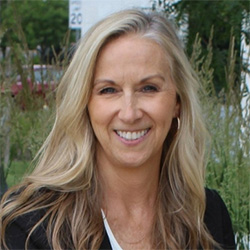 One specific thing I would support in Topeka is expanding state incentives for developers who build and preserve housing that is genuinely affordable to working- and middle-income Kansans.
Johnson County needs housing at different price points: starter homes, townhomes, smaller homes, workforce housing and affordable rentals. Right now, we can build thousands of units and still not solve the affordability problem if those units are priced beyond what teachers, healthcare workers, young families, seniors and other working people can afford.
I would support expanding state financing and tax incentives tied to specific affordability requirements, including income-restricted units and attainable homeownership opportunities. I would also support incentives for rehabilitation and preservation of existing affordable housing so we aren’t constantly losing older, more affordable units to redevelopment.
This isn’t about stopping growth or telling communities what they should build. I agree with local control. It’s about making sure growth creates housing people who work and live here can actually afford.
Johnson County is growing, and I want that growth to include teachers, first responders, healthcare workers, young families and seniors—not price them out of the communities they call home.
District 15
Lauren Bohi (Republican, incumbent)
 One of the most effective ways to make housing more affordable in Olathe is to reduce the unnecessary costs and delays associated with building new homes. Too many young families and first-time homebuyers are finding themselves priced out of the communities where they grew up and want to raise their own families.
That’s why I supported HB 2088 in 2025, which established reasonable timelines for local governments to process building permits and SB 418 in 2026, which streamlined the approval process for new housing developments and provided greater flexibility for building smaller, more affordable homes. Both measures were designed to reduce barriers to construction and encourage an increased supply of housing.
I believe we should continue identifying opportunities to reduce unnecessary regulations, encourage new development, and expand housing options without relying on costly taxpayer subsidies.
We also cannot ignore the impact of rising property taxes. Housing affordability isn’t just about helping families purchase their first home. It’s also about making sure longtime homeowners, particularly seniors and those on fixed incomes, aren’t priced out of the homes they’ve worked a lifetime to own. Addressing both housing supply and property tax burdens must remain a priority.
Allison Hougland (Democratic)
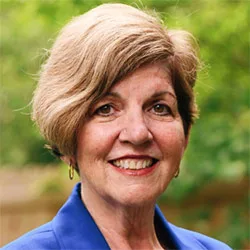 One of the biggest challenges facing Johnson County is a shortage of housing that working families can actually afford. As a real estate professional since 2017, I have seen how difficult it has become for first-time buyers to find a home within their budget. We cannot build our way out of this problem by adding only luxury apartments and expensive homes.
One specific step I would support is restoring and expanding the Kansas Affordable Housing Tax Credit to encourage the construction and rehabilitation of homes that are affordable to working families, seniors, and first-time buyers. These incentives can help make projects financially possible while requiring long-term affordability for the people who need it.
We need more housing options at different price points, including starter homes, townhomes, and affordable rentals. Increasing supply matters, but we must also ensure that the homes being built are within reach of the people who live and work here.
Housing affordability is also a workforce issue. Teachers, first responders, young families, and seniors should have the opportunity to live in the communities they call home. If we want the next generation to stay in Kansas, we must make that possible.
District 16
Linda Featherston (Democratic, incumbent)
Did not provide the Post with a response.
District 17
Jim Eschrich (Republican)
 The state already stepped into housing with SB 418. Home rule generally limits how much further Topeka should go. I have to admit that what happened in western Lenexa still bothers me. Homeowners paid a premium to live next to city-owned green space, then watched the city sell a piece of it right across the street from them. While I don’t think the legislature should take over local zoning, I do think cities owe residents some honesty. If public land might be sold for development, say so before people pay extra to live next to it. Whether the state should require that kind of disclosure is something I will look at when I get to Topeka.
Jo Ella Hoye (Democratic, incumbent)
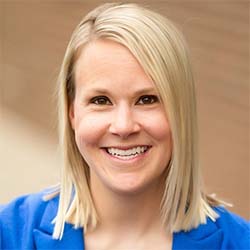 My husband and I were fortunate to benefit from President Obama’s First-time Homebuyers Tax Credit that was created under the American Recovery and Reinvestment Act when we purchased our first house in Johnson County in 2009. That was a large economic stimulus package that included relief for businesses and ordinary people. We need to better balance incentives so that we’re not leaving anyone behind.
I support low-income housing tax credits, first-time homebuyer savings accounts, housing rehabilitation grants, and incentives for developers to be able to build affordable housing. We also need to incentivize smaller-scale housing so that retirees wishing to downsize have suitable options, and then more single family homes could become available for the next generation.
Costs are high. It’s hard for younger adults entering the workforce to save up for a down payment or deposit. State lawmakers should raise the minimum wage to help keep up with the costs of inflation and rising property values. Our economy is making it difficult to realize the American Dream, whether that means buying a home, getting an advanced degree, starting a family, living close to work, or going on that hard-earned vacation. These dreams should be achievable for all Kansans.
District 18
Robert Whitman (Republican)

One thing the legislature can do is pass a three percent cap on assessed valuation of property, including homes. Who wants to move into a home with high taxes? Who wants to move into a house where people who are not elected can raise your assessed valuation? Who wants to move into a home where elected officials claim they have not raised property taxes when they vote against the revenue neutral resolution, that stops property tax increases?
The city of Lenexa this year rezoned a city park with a wetland so that Habitat for Humanity could build so-called affordable housing.
I thought Democrats liked parks with wetlands. That way, you cannot build a house on a wetland.
Huge apartment complexes might be profitable for developers, but not for tenants. Are rents of $1,500 and up more affordable? Who is putting pressure on developers to build affordable apartments? Do affordable apartments pay as much in property taxes as apartments with more expensive rent?
What about building codes? Must building codes be relaxed to accommodate affordable housing? In any case, the legislature has no role in building codes. It’s a city concern.
Cindy Neighbor (Democratic, incumbent)
Did not provide the Post with a response.
District 19
Mark Hermes (Republican)
 Housing affordability is a significant problem for Johnson County and many counties in Kansas. The problem started long ago. For much of the previous decades housing was built beyond the price point of middle and lower income needs. It was more profitable to builders. And, in a K shaped economy products are produced for the buyers with resources.
The state could offer an expansion of subsidized loans for down payments, or decreased financing costs with criteria for families. The STAR bonds allowed financing options to promote large building projects. Alternatively, tax subsidized financing assistance for first time home buyers and restoration of single family homes might be considered.
When asking Kansas citizens what would help with housing affordability the overwhelming response was lower taxes, or in other words, lower cost of government to Kansas. There are state and local programs KAHTC, LITCH, KDADS, and other opportunities for lower income credits, affordable housing tax credits, rent subsidies, and housing development programs to increase availability of affordable housing.
Economic development for better higher paying jobs, and to increase the disposable income of Kansas citizens with lower tax burden, will help offset the higher inflation driven prices of housing.
Stephanie Sawyer Clayton (Democratic, incumbent)
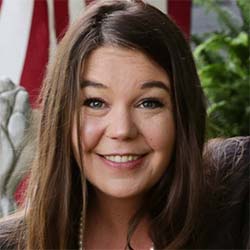 Unfortunately, there isn’t a ton that the legislature can do to make housing more affordable, as much of housing is driven by the free market, and we have seen that there is a housing crisis across the country. But, we can give some relief by continuing to support the Low Income Housing Tax Credit, which incentivizes developers who build low income housing. The legislature can also look at reinstating the Homestead Exemption for renters, which was in place from the late 1970’s until it was eliminated to help prop up the Brownback tax plan. I oppose any statewide regulation of zoning, though, because that infringes on the local authority of city and county officeholders.
District 20
Mari-Lynn Poskin (Democratic, incumbent)
Did not provide the Post with a response.
District 21
Jerry Stogsdill (Democratic, incumbent)
Did not provide the Post with a response.
District 22
Reed Krewson (Democratic)
 My own home is the kind of missing middle housing Johnson County needs more of. Condos, townhomes and duplexes are how young people, first time buyers and seniors who want to downsize can afford to stay here, where the average home now costs more than half a million dollars. The Legislature should make a real, recurring investment in the State Housing Trust Fund, focused on starter homes and attainable rentals. Private builders follow the margins, which is why so much new construction is high end. Steady state dollars can close that gap. I’d also tie part of that funding to communities that modernize their zoning to allow more condos, townhomes and duplexes, so the state rewards cities that are part of the solution instead of mandating one approach from Topeka. Housing isn’t just a quality of life issue. It’s how we keep our workforce, our schools and our local businesses strong.
District 23
Susan Ruiz (Democratic, incumbent)
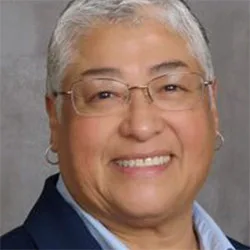 The legislature could work with cities and county commissions to address funding for local efforts to make housing more available and affordable. The state already has funding for grants, but it seems to me that these funds are a well-kept secret. In 1992 Kansas established the KS Housing Resource Corporation (KJRC) https://kshousingcorp.org/ and other housing programs funds are also handled by other state agencies such as the Office of the Treasurer. Did you know that the Office of the Treasurer has grant funds for First Time Homeowners?
I believe the legislature only appropriated $2.0 Million to fund the Moderate-Income Housing Program. This is obviously not enough funding. The one thing the state could do is to appropriate more funding. However, I cannot predict what the state’s budget will be next year and so it is difficult to give an amount needed for housing programs. I also think the legislature should listen to agencies, housing advocates, Realtor’s Associations and Builder Associations regarding their recommendations to make housing more affordable and accessible.
District 24
Jarrod Ousley (Democratic, incumbent)
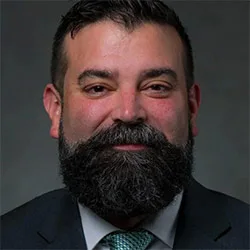 Tax credits designed for first time homebuyers, which could include both condos and apartments, and tax credits designed for builders who construct housing designed for purchase rather than the rental market, would assist with the creation of housing that is entry level and that allows individuals to build the equity necessary to buy a home later have been discussed at the federal level, but could be implemented at a smaller scale at the state level.
Kansas already provides State dollars in conjunction with the Federal Low Income Housing Mortgage Tax Credits, but we could increase our participation in this regard and help significantly larger numbers of Kansans with such efforts.
Scott Speicker (Republican)
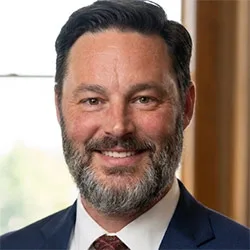 The Legislature must help Kansans move away from forever-renting and into owning their own homes. Homeownership is the primary engine for building family wealth and community stability.
To make homeownership achievable in Johnson County, the Legislature should realign economic incentives away from high-density luxury apartments and toward building single-family starter homes, while capping residential property taxes.
Currently, tax abatements and state programs often favor large developers building massive, expensive apartment complexes. Topeka should restructure these state economic development programs to incentivize home builders to construct entry-level, single-family starter homes. Paired with strict clawback provisions if developers fail to build affordable inventory, this shifts the market toward ownership.
Simultaneously, we must protect new and existing homeowners from being priced out. Passing a constitutional 3% cap on annual property valuation growth will stabilize monthly mortgage payments and prevent aggressive tax hikes from erasing the dream of homeownership for young families and seniors.
By incentivizing starter-home construction rather than apartment complexes, and keeping property taxes predictable, we can give Johnson County families a clear path to owning their home and building long-term financial security.
District 25
Rui Xu (Democratic, incumbent)
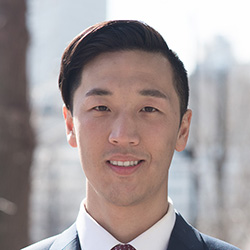 As I mentioned in question 1, I worked to help pass SB418 last year, in hopes of building more starter homes in the state. In Johnson County, we’ve seen wide swaths of them wiped out in favor of larger homes, which is fine, but we need to find a way to backfill the smaller homes as well.
One interesting policy idea has been a growing trend in both red and blue states to get rid of the two stairwell requirement in certain apartment complexes. This would simultaneously allow for apartments on some smaller lots in already-dense areas (like some of our Johnson County downtowns), as well as creating more diverse apartment buildings. While I’m sure they’re very effective, I personally find the current hotel-like designs of apartments a little boring.
District 26
Laura Johnson (Democratic)
 The legislature needs to be in contact with local unions, experts in code, and construction workers to investigate ways to make construction more cost effective without sacrificing safety. Kansas should also follow the federal government’s lead in restricting how many homes or housing units an individual or entity can buy and rent out in our State.
Chip VanHouden (Republican, incumbent)
Did not provide the Post with a response.
District 27
Sara Kiewiet (Democratic)
 One specific thing the Legislature should do is expand state support for workforce and attainable housing, including financing tools and infrastructure investments that help communities add starter homes and smaller homes for older adults. Increasing the supply of housing that people can realistically afford is one of the most important steps we can take.
At the same time, I strongly believe land-use and zoning decisions should remain primarily in the hands of local communities. Cities and counties are in the best position to understand their infrastructure, schools, transportation networks, and community character. The state’s role should be to provide tools, incentives, and flexibility – not one-size-fits-all mandates from Topeka. Housing affordability will require responsible growth and more choices for people at different stages of life. We should make it easier to build the types of homes Johnson County families, first-time buyers, and seniors actually need, while preserving local control.
Sean Tarwater (Republican, incumbent)
Did not provide the Post with a response.
District 28
Alex Bergman (Republican)
 I believe we need a comprehensive review of our state’s construction codes to identify opportunities to reduce unnecessary costs while maintaining important safety standards. We should also explore pilot programs that encourage local zoning reforms to make single-family homeownership more affordable and attainable. Our goal should be to make the American Dream of owning a home a reality for more Kansans. That means building communities around people and their homes, with thoughtful development that prioritizes neighborhoods and quality of life rather than simply more roads and parking lots.
Bryan Mouber (Democratic)
 I appreciate that this question asks for one specific thing the Legislature should do and does not ask for general thoughts. Keeping this in mind:
The Legislature should enact a law exempting school district sites from local zoning and land use regulations to give the school district the power to consider whether on campus housing fits the district’s needs. Currently, Blue Valley is not subject to local building codes but is subject to local zoning and land use regulations. I would propose a state law exempting Blue Valley from use and zoning to grant the district the opportunity to consider additional uses for land and building, including the flexibility to consider affordable campus housing for teachers and other employees. This would abrogate Attorney General Opinion Nos. 81-203 and 2008-24.
Broader policies are possible, and also require state, local, and private involvement. We should take a look at expanding Overland Park’s “Portfolio Homes” and see what portions from the “Montana Miracle” to determine what can work in Johnson County.
District 29
Heather Meyer (Democratic, incumbent)
Did not provide the Post with a response.
District 30
Amelia Wiederaenders (Democratic)
 I would support Affordable Housing Tax Credits, Down payment assistance and any kind of streamlining of building affordable housing units. In Topeka I plan to assist in advocating for local control so that communities can tax themselves if they feel it is appropriate in order to provide for the services their citizens need.
Laura Williams (Republican, incumbent)
 As a homeowner, I understand this challenge firsthand, and I have made it a priority to address it on multiple fronts. I’ve supported first-time homebuyer savings accounts to help more Kansans build equity instead of renting indefinitely, and I backed legislation that cuts red tape so more affordable housing can actually get built. I’ve also worked to strengthen protections for tenants, because affordability means little if renters cannot count on stability and fair treatment from their landlords. These efforts cannot be separated from the property tax burden, which continues to squeeze homeowners and renters alike, often hitting seniors on fixed incomes the hardest. That’s why I remain committed to pursuing meaningful property tax relief alongside these housing initiatives, not as separate issues but as two sides of the same affordability crisis. Lenexa and Olathe families deserve a representative that treats housing costs as the urgent, everyday concern it is. I will keep working until every resident, from young professionals to retirees, can afford to stay in the community they call home.
District 39
Zach Maier (Democratic)
 I would restore the Kansas affordable housing tax credit that the Legislature gutted in 2025.
The affordable housing tax credit was the state’s strongest tool for building homes that working families can afford. Of course, my opponent voted along with the rest of the supermajority to gut it. She also voted three times to let landlords legally turn away renters who want to pay with housing vouchers. And on Shawnee City Council, she repeatedly voted against new housing.
The Legislature’s playbook is clear — cut taxes, use that as an excuse to cut programs, and then point fingers at everyone except for themselves. The last sixteen years of Kansas tax and housing policy has been written by one party.
It’s time to fix this with new leadership. Restore the credit and fund it, with a cap, clear rules, and guardrails, so it builds homes and never becomes a loophole. Leave the decision on where to build those homes with local government, so the housing that gets built is the housing a community needs most.
Angela Stiens (Republican, incumbent)
 Housing affordability is a growing concern in Johnson County, particularly for young families, first-time homebuyers, and seniors looking to downsize. We need more attainable housing options, not simply more expensive apartment complexes.
One specific solution is reducing unnecessary regulations and construction costs that make building smaller, affordable single-family homes difficult. That is why I supported SB 418, bipartisan legislation signed into law this year that streamlines the approval process and removes certain barriers to building smaller homes.
I believe we can expand opportunities for homeownership while respecting the character of our established neighborhoods. Our goal should be to make it possible for the next generation to afford a home and build a future right here in Johnson County.
District 43
Kristen Schultz (Democratic)
 One specific step the Legislature should take is to expand incentives for homebuilders who construct genuinely affordable starter homes. We need more housing options that working families, first-time homebuyers and retirees looking to downsize can realistically afford—not simply more housing at price points that remain out of reach for many Kansans.
I’m also concerned about families having to compete with large investment companies for the same starter homes. Individual homebuyers often cannot compete with investors who have significantly greater financial resources. We should take a closer look at our tax and housing policies to ensure we aren’t giving large investors and billion-dollar corporations advantages over Kansas families trying to achieve the dream of homeownership.
Housing affordability isn’t just about how many units we build. It’s about whether people who work and retire here can afford to live here. Our policies should encourage the construction of housing that meets the needs of our communities and gives more Kansas families a realistic path to owning a home.
Bill Sutton (Republican, incumbent)
Did not provide the Post with a response.
District 48
Dan Osman (Democratic, incumbent)
 I’m going to push back against this question. I think that continually looking for the “one specific thing” that can be done is the wrong approach to solving as complex an issue as housing affordability.
I’ve seen so many of fellow colleagues come up to Topeka with their “one idea” to solve for affordable housing in Kansas. They don’t want to listen to competing ideas. They don’t want to compromise. They don’t want to bring in outside viewpoints. Their one idea is going to solve the problem.
Their idea almost never goes anywhere. Worse, it passes and still nothing changes. Home ownership or affordable housing is still out of reach for so many people.
We know why there’s an affordability issue. There are too few houses on the market. Wages are too low. Taxes are too high. Building materials are too expensive. Appraisals are out of control. The list goes on. Does anyone out there think there’s a singular solution to every problem listed above?
We need a multi-pronged approach to this because if we come out of it all with a singular bill I can already guarantee it won’t solve the problem. Just as important, the solution must come from working with everyone. We need both parties and all levels of government weighing in on this. We need diverse experts from every tangential field at the table. This is too important an issue to not hear from everyone about.
If you have questions or ever need to reach me, e-mail me anytime at [email protected]
District 49
Nikki McDonald (Democratic, incumbent)
 The Kansas Legislature can help increase our housing supply by providing tax incentives to developers who build affordable starter homes, townhomes, duplexes, and apartments, expanding funding for housing construction, and reducing unnecessary regulations that drive up building costs. We can also encourage redevelopment of vacant properties and underutilized commercial spaces into residential housing. We should restore local control so cities can make decisions about zoning, affordable housing requirements, and rental property oversight based on their communities’ needs. Additionally, we should explore legislation that prevents large, out-of state corporate investors from purchasing significant numbers of single-family homes and converting them into rentals, making it harder for Kansas families to become homeowners. We need to build more housing, preserve the affordable housing we already have, and ensure Kansas families have a fair opportunity to purchase a home.
Tricia Sinclair (Republican)
Did not provide the Post with a response.
District 78
Robyn Essex (Republican, incumbent)
 Housing affordability requires us to look at the types of homes we are building and the regulations that drive up costs. In Olathe, the median home sale price is about $466,000, while average apartment rent exceeds $1,500 a month. Those costs can put homeownership out of reach for first-time buyers and make it difficult for working families to get ahead.
The Legislature has taken a step forward by passing the By-Right Housing Development Act (SB 418), which speeds up permitting, allows smaller lots, and provides more flexibility in home construction standards to help reduce building costs.
We also need to focus on what is called “the missing middle” which is housing between traditional single-family homes and large apartment complexes. Duplexes, townhomes, and smaller homes can give first-time buyers and seniors looking to downsize more attainable options.
We should also continue reviewing unnecessary regulations and permitting delays that add costs without compromising safety.
Housing affordability should be a partnership among federal, state, and local governments, builders, developers, and employers. The state can remove regulatory barriers, but local governments play a particularly important role through zoning, land use, infrastructure planning, and development decisions. They are best positioned to understand their communities and balance growth with neighborhood needs.
Employers also have a stake in housing affordability because workers need to be able to live near their jobs.
Our goal should be more than building additional housing. It should be providing a greater variety of homes that people can actually afford.
Tim Lundberg (Democratic)
 Starter homes no longer exist in Johnson County. (There is no one thing that will solve this, so I’m listing several ideas.) We need to give builders incentives to build modest, affordable homes instead of half million dollar and up McMansions. We could emulate the land trust model that Habitat For Humanity is using to offer affordable starter homes. I will introduce legislation on my first day in office that creates a program that offers mortgages to first time home buyers with rates well below current market rates, funded by bonds sold and backed by the state.
District 108
Brandon Woodard (Democratic, incumbent)
 Johnson County continues to grow and very few districts are growing as quickly as District 108. Representing a House District that is more than 60% renters means that I am focused on making housing more affordable for renters and homeowners alike. During my first campaign, I met a constituent who was concerned about the increasing numbers of apartments being built. After a long day of knocking nearly 100 doors, I admittedly was pointed in my question asking her “do you want to build a house next to I-435, or would you like the apartments to be a noise barrier for this neighborhood and have folks move here to spread the cost of property taxes?” She and I both looked at each other, and she shared that she hadn’t thought about that. In today’s political climate, we just need to talk to each other. We do not have enough housing in Kansas. Let’s build affordable apartments and where it makes sense, add single family homes. The state needs to continue to incentivize communities to build housing across Kansas.
District 117
Brandon Holland (Democratic)
Did not provide the Post with a response.
Adam Turk (Republican, incumbent)
Did not provide the Post with a response.
District 121
Thomas Palenske (Republican)
 I would reduce unnecessary permitting and development barriers that raise the cost of starter homes. Faster, clearer approvals can help builders offer smaller homes, townhomes, and other practical choices. We should maintain safety and infrastructure standards, while ensuring cities and residents retain a meaningful voice in how their neighborhoods grow.
But getting someone into a home is only half the job. We also need to help them afford to keep it. Property taxes continue long after closing and even after the mortgage is paid. Those costs can affect renters, too. I support reasonable valuation limits paired with spending discipline and accountability for levy increases. A lower rate is not relief if the bill keeps climbing. Housing policy should help young families put down roots and seniors stay in the communities they call home.
Kelsey Stock (Democratic)
 One idea that I have to improve housing affordability is to limit the amount of homes and properties that out-of-state/country investors and slumlords are purchasing. I believe Kansas property should belong to Kansans.
Coming up:
Tomorrow, we will publish the candidates’ responses to the following question:
More than a dozen readers asked to hear candidates’ stances on large data centers proposed across Johnson County. Readers are concerned about who will pay for the water and electricity these facilities use. Currently, Kansas offers large data center operators sales tax exemptions in exchange for commitments on water conservation and energy grid preservation. Some readers, though, are calling for a statewide moratorium on data centers until projects are more thoroughly vetted. Do you support a data center moratorium? Why or why not?
 Thanks for reading! If you value having an independent news outlet keeping tabs on local government, schools and taxes, we're asking you to contribute to our Education Reporting Fund.