Earlier this summer, the Post asked our readers what issues you wanted to hear candidates in federal, state and local races address leading up to the Nov. 3 election.
Based on that feedback, we developed a five-item questionnaire centering the issues most important to residents across Johnson County.
Each day this week, we’ve published the candidates’ responses to one question. So far, we’ve published responses on property taxes and state tax policy, public schools, special education and vouchers, housing affordability and data centers.
Today, we’re publishing candidates’ responses to the final question:
Kansas is using STAR bonds to help pay for a new Chiefs stadium in KCK and a team HQ and training facility in Olathe. More than 20 readers emailed about this, most of them expressing worry about the long-term cost to the state budget of this project. Do you or did you support the stadium deal? How would you keep the state budget balanced in the years ahead?
Below are the answers the Post received from candidates on the issue:
District 5
Henry Johns (Democratic)
 I did not support the current use of STAR bonds, over the large area that was approved. I feel STAR bonds are an important tool to aid development, but I think this one went a bit too far. Wyandotte County and Olathe will be expected to dedicate future local sales tax generated by the development to pay for the bonds.
The $19 million in the “Attracting Professional Sports to Kansas Fund” could have been better spent on Special Education. Until the bonds are paid off, the State and local governments will not benefit from any tax revenue generated by the stadium or sports activity.
Keeping the budget balanced and meeting our obligations is challenging without revenue streams. The longer it tax breaks last, the less benefit we have from businesses or projects like this.
Read more at: https://www.kansascity.com/news/local/article313905775.html#storylink=cpy
Courtney Sappington (Republican, incumbent)
Did not provide the Post with a response.
District 8
Chris Croft (Republican, incumbent)
 The Kansas City Chiefs’ move to Kansas represents a major economic development opportunity for our state bringing new jobs, investment, visitors, and economic activity to Kansas. Importantly, the project will not require a new state tax or an appropriation from the state budget. Instead, the public portion of the project will be financed primarily through STAR bonds.
The STAR bond financing relies on incremental sales tax revenue generated by the stadium and designated surrounding development to help pay for the project. In other words, the financing is tied to the new economic activity the project will create.
We have seen this model work before. Kansas Speedway and the Village West development helped transform that area of Wyandotte County into a major destination, attracting developments such as the Legends, Nebraska Furniture Mart, and other businesses. Today, the Village West STAR bond district generates more than $40 million annually in sales tax revenue for the state general fund and has attracted billions of dollars in private investment.
The Chiefs project will build on that success by creating thousands of jobs, attracting significant private investment, generating new economic activity, and bringing visitors and their dollars to Kansas for decades to come.
Megan Phillips (Democratic)
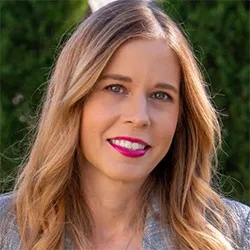 Ah, the stadium problem. I’m excited to have the best football team ever on the Kansas side because we are clearly better, but I get the concerns regarding the costs and the sustainability of the development. I appreciate the commercial real estate revenue and added jobs that this deal will bring, and I’m glad that we used STAR bonds to do it without starting off with a huge tax bill. I’d want to see accurate accounting and checks and balances on this revenue stream to make sure that taxpayers are never on the hook for this bill. I’m aware that this deal was made in large part behind closed doors, and it’s time to make the financial process transparent and accountable. We should implement an annual independent financial report to make sure that projected revenue growth equates to actual revenue growth and then make sure we stay on track to pay the bill.
District 14
Charlotte Esau (Republican, incumbent)
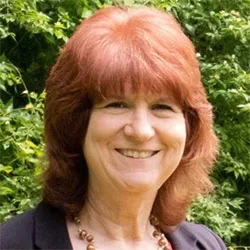 I was not serving in the Legislature when the STAR bonds legislation designed to attract the Chiefs or Royals to Kansas was approved, so I did not have a vote on that proposal.
Now that the project is moving forward, I hope it will be a big win for Kansas and deliver the economic benefits being projected.
Those projections include $4.5 billion in stadium, practice facility, and related development investment, an estimated $8.2 billion in economic impact during construction, and $1.5 billion annually from operations and visitor spending.
A project this large has many moving parts. I believe every party must be held accountable for meeting its obligations, and I will speak up if those commitments aren’t being honored.
If the projected benefits materialize, the additional economic activity and revenue could strengthen Kansas’ long-term fiscal position. But we cannot balance our state budget on projections alone.
We must continue to control spending, carefully evaluate economic incentives, and make sure ongoing commitments are supported by sustainable revenues. My priorities remain meaningful tax relief for Kansans, responsible spending, and continued investment in public education.
My record demonstrates that I evaluate economic incentives independently. I’ve voted against incentives when I didn’t believe they were in taxpayers’ best interests, and I’ll continue to put accountability, results, and the interests of Kansas taxpayers first.
Sherry Giebler (Democratic)
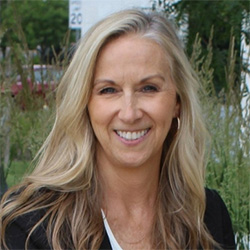 I understand why Kansans have questions about the Chiefs stadium deal and the long-term financial impact. I also understand the excitement about bringing the Chiefs headquarters and training facility to Olathe and the jobs and economic activity that could come with it.
And as a representative from Olathe, I will continue to ask the basic question every time public money is involved: What is the return for Kansas taxpayers, who carries the risk, and can we afford it?
My concern is making sure Kansas taxpayers are not left holding the bag if projections do not materialize. The state has authorized STAR bonds to capture future sales tax revenue generated within the project areas, with the stadium project expected to use that revenue over decades. The Olathe project also involves pledging portions of locally generated sales and transient guest taxes to repay its STAR bonds.
Constituents have stated to me at the door they want clear protections for taxpayers before committing public revenue for decades. Economic development can be valuable, but we need to know what we are actually committing and what happens if the projections fall short.
Going forward, I would keep the state budget balanced by being disciplined about spending, fully evaluating economic development incentives, protecting our essential services and requiring greater accountability for tax incentives. I would not support balancing the budget by shortchanging public education, special education, healthcare or other services Kansans depend on.
District 15
Allison Hougland (Democratic)
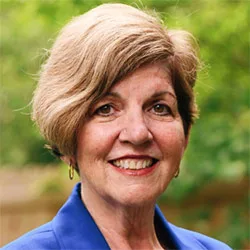 I initially opposed the Chiefs STAR bond deal. I did not believe we needed to use public incentives to help finance a stadium for a billionaire-owned team. But after receiving hundreds of emails from constituents in House District 15 asking me to support bringing the Chiefs to Kansas, I changed my vote. I received only three emails opposing it. I believe our job as representatives is to listen to the people we represent, even when their wishes differ from our own.
That vote does not mean I believe every economic development deal is a good investment or that we should stop asking tough questions about public spending. STAR bonds depend on future revenue projections, and we must be transparent about the risks and hold these projects accountable for delivering the promised benefits.
To keep Kansas’ budget balanced in the years ahead, we need to stop adding unnecessary spending through conference committee negotiations, carefully evaluate tax incentives, and prioritize investments that benefit Kansans. I also support expanding Medicaid, which would bring substantial federal funding into Kansas while expanding healthcare access. We must make responsible decisions based on long-term costs and benefits, not just short-term political wins.
Our responsibility is to respect the voices of our constituents while being honest about the financial commitments we make on their behalf.
Lauren Bohi (Republican, incumbent)
Did not provide the Post with a response.
District 16
Linda Featherston (Democratic, incumbent)
 I opposed every bill that came across the House floor that related to bringing the Chiefs or the Royals to Kansas. While I agree that it is vital that both teams stay in the metro area, I could not write a blank check with my constituents’ money. I still see no reason that their current homes could not be remodeled and the area around them developed.
I truly hope this deal works out for the benefit of Johnson and Wyandotte counties, the Kansas City metro region, and the state in general, but the size of the STAR bond district remains very concerning to me. As a member of the Agriculture Committee, I am concerned about what the construction of the Chiefs stadium will do to the property taxes of those who farm in the area. Could this be what finally forces families to abandon farms that have been in the families for decades? Finally, I am concerned about the financial burden that could fall on our region to support new infrastructure, public safety, and the like. I guess we will just have to wait and see.
District 17
Jim Eschrich (Republican)
 I would not have supported empowering the Lt Gov to negotiate a deal of that size. I’m afraid the NFL sharks sitting across for him during the, ahem, “negotiations,” ate his lunch – and ours. To be blunter still, Kansas was likely far more generous than it needed to be. Even so, I think the intangibles make it an overall net positive for the community and the state of Kansas.
Jo Ella Hoye (Democratic, incumbent)
 The STAR Bond Stadium bill passed during the June 18, 2024 Special Session. I voted yes. At the time, the circumstances were that the Kansas City metro risked losing our professional football and baseball teams. I hoped that the Kansas deal would motivate Missouri to get their ducks in a row. The rest is history.
The bill wasn’t perfect, but my biggest issues were addressed (1) We sent a sustainable tax plan to Governor Kelly’s desk first. There was no way that I would have voted for a stadium deal without securing tax relief for everyday Kansans. (2) The STAR Bond bill was originally going to be that 100% of sales tax revenues generated would be used to repay the bonds. The final bill lowered that to 70% compared to 50% for all other STAR Bonds.
Sometimes there are items that come to a vote where I am torn. This was one of them. I received a lot of correspondence in support of the bill. I talked to community leaders, the Shawnee Chamber of Commerce was a proponent, and I did my best to make the right decision. Overall, I felt that it was a deal worth offering so as not to ruin football and baseball seasons in perpetuity. Kansas is open for business, and we continue to show our economic strength. The new stadium will create jobs, increase income tax revenue, and perhaps Taylor Swift and Beyonce will have tour stops in the Sunflower State within the next decade.
District 18
Robert Whitman (Republican)
 I could neither support nor oppose the Chiefs Stadium deal because neither the supporters nor opponents did a good job explaining their positions or the details of the deal. I was not in the legislature when the deal was made.
I hope the deal does not result higher taxes for taxpayers statewide, or even locally. The state has announced that Shawnee will be a part of the Star bonds district. So higher sales taxes will be levied in Shawnee to help pay for the project.
Perhaps the best for which we may hope is for businesses in Shawnee to experience greater revenue and profits, particularly the five hotels near I-435 and Midland Drive.
As for the state budget, taxes should be as low (and not be raised) as possible and spending priorities should be set for spending tax dollars. Remember, all conversations about taxes quickly turn to conversations about spending and priorities.
Cindy Neighbor (Democratic, incumbent)
 I voted for the Chiefs to come to Kansas after long discussions between Kansas and Missouri were not productive. My hope was always to be able for them to stay in the Metro area, as they are a part of our sport’s family. A fund had been established by the Legislature to possibly start the process early on.
There are still many moving parts to be finalized before digging begins, as has been witnessed in the KC Star the last few days. There are still some moving parts that have not been completed. Until all of the details are completed, it is hard to say what the impact will have on future budgets.
District 19
Mark Hermes (Republican)
 Enacted in 1999 K.S.A. 12-17,160 et seq. statute defines the Sales Tax and Revenue (STAR) Bond Act. The law was modified to allow STAR bond projects known as the Major professional sports franchise STAR bond district (MPSF). In 2024 the Special session HB2001 law amended the STAR Bond program to allow for projects involving major professional sports complexes and provide additional sources of revenue for bond repayment. The bill provided enhanced approval authority for the Secretary of Commerce (Secretary) and the Legislative Coordinating Council (LCC) to approve no more than two such STAR Bond projects, likely Chiefs and Royals.
Kansas voters allowed the Secretary and LCC to pretty much decided the Chiefs stadium deal. The guardrails were sort of removed with the 2024 HB2001 bill, and modified in SB124. The original STAR bond law limiting funded amounts and duration in years of the bonds were modified, along with other details.
One would not oppose the Chiefs in Kansas, personally one may like Arrowhead and have preferred those options. Most of the disagreements about the Chiefs STAR deal and disagreements in the Topeka capital are about money. The Stadium STAR deal will be no different in determining bond repayment. The STAR district is being created. The Chiefs stadium project is still in the early stages of many more issues for Kansas leadership.
The Kansas state budget process would be improved with revenue forecasts and estimates presented at an earlier stage in the budgeting process. These forecasts would help with funding issues of K-12 education including mental health and special education. Property tax relief agreements among legislators will require forecasting and accurate estimates for balanced and reduced budgets.
Stephanie Sawyer Clayton (Democratic, incumbent)
 I voted in favor of the initial economic development incentive several years ago, when I was under the impression that it would be a baseball stadium in Downtown KCK, which would have had a much smaller STAR bond district that would have been sustainable. I did not support the Chiefs deal because I did not find it sustainable for taxpayers. They aren’t even going to provide affordable seats or reasonable parking, which should be a given in this economic climate, as I am under the impression that the owners of the Chiefs are not in dire financial straits. It is my hope that there will be future clawbacks to the incentives, and re-adjustments to the sports authority. If there are, I will support those.
District 20
Mari-Lynn Poskin (Democratic, incumbent)
Did not provide the Post with a response.
District 21
Jerry Stogsdill (Democratic, incumbent)
Did not provide the Post with a response.
District 22
Reed Krewson (Democratic)
 Yes, I support the deal. Bringing a Super Bowl caliber stadium and the team’s headquarters to Kansas is a major economic development opportunity, with state estimates of more than 20,000 construction jobs and billions of dollars in economic activity. The state’s share comes from STAR bonds, repaid largely with sales tax generated inside the district, and from sports betting revenue, not from raising taxes on Kansans. I also understand readers’ concerns, and my support comes with accountability. Taxpayers deserve full transparency as the bonds are issued, and the state should hold the team and developers to every commitment they’ve made on jobs and revenue. Keeping the budget balanced starts with not repeating the Brownback experiment. That means ending the automatic income tax cuts that push Kansas toward a flat tax and hand the biggest breaks to the wealthiest Kansans and corporations. It also means protecting our rainy day fund and evaluating every incentive by what it returns to Kansans. A stable budget is what lets us fund schools and deliver real property tax relief while strengthening our state’s economy.
District 23
Susan Ruiz (Democratic, incumbent)
 I did not support the Chiefs stadium deal. I was upfront with my disagreement with the process. I was skeptical of the deal from the beginning. I support local control. I expressed concern that Wyandotte County Unified Government nor Wyandotte County legislators were included in the negotiation group. I also voted against the deal to bring the training facility to Olathe. We will see during the next session where we are with our state budget. We will have to deal with the damage to our social services network from the Big Ugly Bill. We will need to fully fund our public schools, including special education. So, the stadium is not at the top of my list.
District 24
Jarrod Ousley (Democratic, incumbent)
 Yes, I supported the legislation to bring the Chiefs to Kansas. Both the Royals and the Chiefs were very seriously considering offers from locations outside of Missouri, and there was a possibility that the metro area would potentially lose one of the teams to competing offers.
There is significant pull for attracting business and recruitment to the metro area with major sports teams, and I heard from multiple constituents that they wanted to keep the Chiefs in Kansas. The STAR bonds, in this instance, are predominantly benefitting Northeast Kansas, with Olathe and Wyandotte the proposed sites, and we will receive the most benefit from the bonds with the increased business opportunities. While the rest of the state does well when the economic engine does well, it very much made sense for Johnson County to support incentives in this instance as the primary benefit will be felt here, in our communities.
The state budget can be kept in balance as currently structured, if the revenue currently generated is allocated to meet state spending obligations, rather than shorting it with the Republican “flat tax” plan that only decreases the highest income tax bracket down to the lowest.
Scott Speicker (Republican)
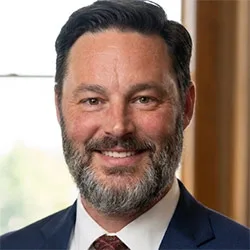 STAR bonds were designed as a specialized tool for major destination attractions that bring significant out-of-state tourism revenue into Kansas. The Chiefs stadium project fits that statutory intent by drawing thousands of out-of-state fans and national media exposure to Wyandotte County. However, STAR bonds have too often been misused for local retail and domestic developments that simply shift sales tax dollars from one Kansas shopping center to another without generating new, out-of-state revenue.
I support applying STAR bonds strictly according to their original legislative intent—for true regional economic engines like the Chiefs—while ending their misuse on non-destination projects that risk local state tax revenues.
To keep the state budget balanced as these projects move forward:
- Strict Subsidized Revenue Enforcement: Ensure bond repayment relies exclusively on new tax revenue generated directly within the project district, protecting the state’s general fund from liability.
- Top-to-Bottom State Audits: Perform rigorous audits across state agencies to eliminate administrative waste and offset long-term debt liabilities.
- Enforceable Benchmark Clawbacks: Enforce mandatory clawback provisions so that if developments fall short of projected economic targets, taxpayers are not left holding the bill.
By restoring strict discipline to economic incentives and auditing state spending, we can welcome major franchises while keeping our state budget secure.
District 25
Rui Xu (Democratic, incumbent)
 I did not support the stadium deal, for budgetary reasons and for personal philosophy reasons. On the latter, for my constituents, they will be going from driving 20 minutes east to attend Chiefs games to 20 minutes west to attend Chiefs games. To me, it doesn’t make sense to spend any amount of new public money to do that. If you’re trying to recruit truly net-new jobs or teams to the region, I can understand putting together a recruitment incentive package. To move 10 miles across the state line, that makes less sense.
As to the budget, I suppose we have to hope that increased business activity makes up for the foregone revenue in the STAR Bonds district. As I’ve stated in the past, even if we see 3% inflation over the 30 year deal, prices overall will be 150% of what they are today, but the state won’t be able to collect any of that additional revenue. But we’ll still have to pay the higher prices on the state’s basket of goods.
I’m a huge Chiefs fan (Kenneth Walker am I right), and I genuinely hope the deal works out for Wyandotte County and the State, but I just couldn’t support the bill.
District 26
Laura Johnson (Democratic)
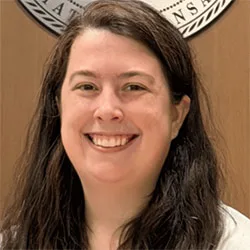 As someone who married into Chiefs Kingdom when I moved to Kansas, I was initially excited to hear the Chiefs were coming to our state. However, I was and remain skeptical about the STAR bonds. Several friends I have spoken to (Chiefs fans and non fans alike) are understandably cautious about an incredibly wealthy organization and an incredibly wealthy family building a new stadium and facilities largely funded by tax revenue they have lawyers and accountants to ensure they never meaningfully contribute back into. That being said, the deal is made and as a legislator I will not be able to reverse it. Moving forward, we should look into making the best of the situation by working with cities and counties to increase tourism revenue. Furthermore to ensure the state budget remains balanced, there is room to address inefficiencies in our existing budget. There is also room to evaluate the tax breaks we give to the wealthiest corporations in our state and see if they are actually benefiting our budget. Maintaining a strong Kansas economy will require all hands on deck, and a balanced legislature to ensure the best ideas rise to the top.
Chip VanHouden (Republican, incumbent)
Did not provide the Post with a response.
District 27
Sara Kiewiet (Democratic)
 I was not in the Legislature when the stadium deal was approved, so I did not have a vote on it. I do not support the deal as structured.
The scale of this commitment is unprecedented for a Kansas professional sports project. The state committed up to $1.8 billion in STAR bonds for the new Chiefs stadium, making it the largest-ever professional sports subsidy. The broader project also includes STAR-bond financing for the Chiefs’ headquarters and training facility in Olathe.
I have concerns about committing that level of public resources to a professional sports facility when Kansas still has significant obligations to fund public education, special education, infrastructure, and other core services. STAR bonds are repaid with future sales-tax revenues generated within the project district, which means we need to be very clear about the long-term opportunity costs and the risk if projected revenues do not materialize.
Going forward, I would want the state to be disciplined about large economic-development incentives: require transparent projections, meaningful accountability, and clear evidence that the public benefit justifies the commitment. Kansas should be able to attract businesses and investment without making commitments that could limit our ability to fund core priorities in the future.
Sean Tarwater (Republican, incumbent)
Did not provide the Post with a response.
District 28
Alex Bergman (Republican)
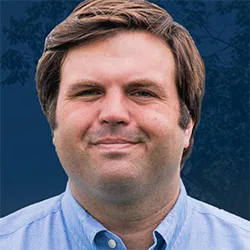 I am deeply skeptical of using STAR bonds or other public incentives to finance professional sports stadiums. I believe economic development incentives should be narrowly targeted and structured to protect state and local budgets. I also question the fairness of asking taxpayers to help finance a stadium for a professional sports league that already benefits from certain antitrust protections. Moving forward, we must carefully evaluate the long-term financial obligations of these agreements and ensure that economic development projects do not jeopardize our ability to maintain a balanced state budget.
Bryan Mouber (Democratic)
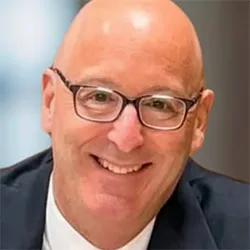 Again, I was not present when the deals were negotiated and agreed to. I don’t know all of the reasons behind approving, but now that this is law, I do support following it. We need to monitor and enforce the provisions that are there to ensure all sides are abiding by the provisions.
If projected and overseen correctly, the STAR bonds and sports fund, enacted specifically for the purpose of retaining the Chiefs in Kansas City and attracting them to Kansas, ensure there will be no new state taxes and no impact on the state budget.
I was pleased to see that, with less fanfare, four months after announcing the deal, the legislature passed and Governor Kelly signed the sports authority bill to provide oversight of the development and specifically the Star Bonds, The committee’s voting members also include appointments by the mayors’ of Olathe and Kansas City, Kansas.
District 29
Heather Meyer (Democratic, incumbent)
Did not provide the Post with a response.
District 30
Amelia Wiederaenders (Democratic)
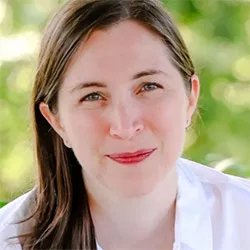 As someone who was not in the building and is less familiar with the bill I think billionaires should pay for their own stadiums and would not have voted in favor of the bill. I think we need to be more selective about how we use STAR Bonds in the future and ensure those projects truly benefit our communities.
Laura Williams (Republican, incumbent)
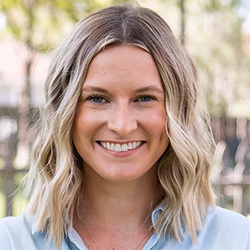 I did support keeping the Chiefs in our region. STAR bonds do not pull from the state budget. They work by creating new sales tax revenue in areas that are not yet developed, so the state isn’t giving up funding that would otherwise go toward infrastructure or schools. This deal also brings direct benefits to our community, including the partnership with Olathe Public Schools. Their access to the new training facility fields for their own students and programs will benefit the community. Beyond that, bringing strategic investment into undeveloped land is how we grow our tax base responsibly, creating new revenue streams for local governments without placing more weight on current homeowners. This is especially important in Johnson County, where property taxes remain the top concern I hear from constituents. I will keep supporting smart and strategic growth that strengthens our communities while easing the burden on the Kansans.
District 39
Zach Maier (Democratic)
 I want the Chiefs in Kansas. My extended family would disown me if I said otherwise.
The stadium and training facility is good for economic development, great for developers, and good for labor. I support the hard work that will go into making it an exciting new attraction.
But I would never have handed over $2.8 billion of your tax dollars to make it happen. My opponent, on the other hand, is a fan of billionaire welfare. She voted that your tax dollars should cover 70% of the costs, one of the most generous public giveaways to private developers in the history of our country.
And the way it was done is worse. Topeka rewrote the law for one deal, worked it out behind closed doors, and forced most of Shawnee inside the district without a vote. For 30 years, sales tax growth from the entire district goes to the stadium instead of your schools and roads. Shawnee has scrambled to ask the state to carve out areas for its own future.
A balanced budget starts with not giving the money away. The state’s forecast shows a shortfall every year through 2030. The Brownback 2.0 income tax cuts will likely cost us up to $1.3 billion a year. They need to stop before we “Brownback bankrupt” the state again. Kansas billionaire megacorporations, like the ones who fund my opponent, also need to start paying their fair share. Legalize and tax recreational marijuana.
Angela Stiens (Republican, incumbent)
 I supported the STAR Bond package to bring the Kansas City Chiefs to Kansas because I believe it represents a once-in-a-generation opportunity for economic development, job creation, and long-term investment in our state.
Importantly, STAR bonds are structured to be repaid through incremental sales tax revenues generated above an established base, rather than a direct appropriation from the State General Fund. Kansas law also prohibits pledging State General Fund revenues to repay these bonds. This financing structure is intended to support economic growth while limiting financial exposure to the state.
However, I recognize that Kansans have legitimate concerns about the long-term financial implications of this project. That is why I believe strong oversight, transparency, and accountability are essential. We must closely monitor projected revenues, financing obligations, and the project’s actual economic impact to ensure the public investment delivers on its promises.
Keeping our state budget balanced requires fiscal discipline, responsible spending, and careful prioritization of essential services, including education, public safety, and healthcare. I will continue to scrutinize state expenditures, protect taxpayers, and demand accountability for STAR bond projects and other economic development incentives.
Economic growth and fiscal responsibility must go hand in hand.
District 43
Kristen Schultz (Democratic)
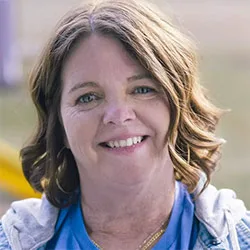 I believe responsible economic development means creating opportunities for businesses to grow, jobs to be created and people to afford to live where they work, all while ensuring taxpayers are not left paying the hidden costs of growth.
I did not have a firm position on whether the Chiefs stadium was the right investment for Kansas, particularly given its limited direct impact on HD-43. However, I was concerned by how the deal was handled. Major decisions involving public resources and long-term financial commitments should be discussed openly, with meaningful opportunities for public input, before a deal is all but finalized. Kansans deserve transparency and accountability from their elected officials.
If taxpayers are being asked to provide incentives, there should be a tangible, measurable return for the community. That means carefully evaluating projected economic benefits, understanding the long-term financial commitments and being transparent about the risks if those projections do not materialize.
Keeping the state budget balanced in the years ahead requires responsible budgeting, careful scrutiny of state spending and a willingness to evaluate economic development incentives based on results rather than promises. We must also ensure that long-term commitments do not come at the expense of essential services or other priorities.
Economic development should encourage new businesses while strengthening existing ones and the communities where they operate. Before committing public resources, we should ask whether a project delivers lasting benefits, whether taxpayers are protected and whether the decision was made transparently. Kansas families deserve nothing less.
Bill Sutton (Republican, incumbent)
Did not provide the Post with a response.
District 48
Dan Osman (Democratic, incumbent)
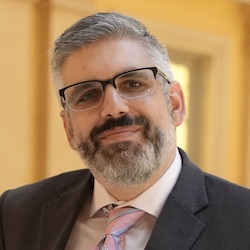 I voted in favor of the initial stadium STAR Bond exploration in 2024 but not the final deal we voted on in 2026.
In 2024 the Kansas Legislature held a special session where we passed HB 2001. That bill extended the definition of STAR bond districts to include stadiums from professional sports teams and allowed for negotiations between those teams, the Lieutenant Governor, and the Legislative Coordinating Council. I wanted to make sure Kansas had the tools available to us if the right opportunity came about.
This year, the final proposal came back to us. It was, unfortunately, not something I could support. The STAR Bond district would be the largest in state history, potentially spanning across most of two counties and encompassing unrelated municipalities as part of its taxing jurisdiction. Information on things like infrastructure upkeep, utilities, and repairs were not well defined.
We had to fight for weeks just to get Olathe and WyCo representatives on the newly created Sports Authority. There’s still no one on that board who represents JoCo’s interests nor is there a residency requirement to ensure that the people making the decisions live here and understand our concerns.
We’re up in Topeka to be good stewards to your money and your interests. I couldn’t support the final bill as I felt it didn’t hold up to those minimal ideals.
If you have questions or ever need to reach me, e-mail me anytime at [email protected]
District 49
Nikki McDonald (Democratic, incumbent)
 My constituents in the Olathe area are particularly excited about the opportunities that the Chiefs will bring to our area. Partnerships with the Olathe Public Schools will result in investments for our schools that will not be funded by local property taxes, but rather by the Chiefs organization. Whether it’s new athletic facilities, internships for sports medicine, or other philanthropic opportunities, our community will benefit greatly from the Chiefs training facility and headquarters being located in Olathe.
I supported the proposed STAR Bond legislation, which brought the Chiefs to Kansas and I voted YES on the associated legislation. Whenever possible, I try to support economic development initiatives. Particularly when new jobs are created. Representatives of many skilled trade associations were in favor of this project, as well, because of the work it will bring to our local trades.
This project brings a lot of economic opportunities besides football games. Unlike an open-air baseball stadium, a domed football stadium brings the possibilities of year-round events, from concerts to soccer matches and more. Sports tourism is a growing source of additional revenue streams, and I believe we are wise to seek out new opportunities to grow the state coffers.
I was surprised at the size of the STAR Bond district, but I am hopeful that it will be paid off more quickly than projected as a result of the large footprint.
Balancing the budget will require fiscal discipline and restraint. Our rainy day fund must remain healthy and secure. The key to lowering taxes is finding new sources of revenue and this project is an example of thinking outside the box to create more economic opportunity. This STAR Bond project does just that.
Tricia Sinclair (Republican)
Did not provide the Post with a response.
District 78
Tim Lundberg (Democratic)
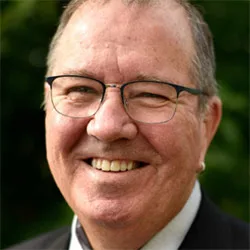 On the whole, I am not opposed to the judicious use of public funds to spur economic development. The Chiefs stadium project should be a tremendous boon to our skilled trades workers, among many others. I applaud the Olathe Chamber of Commerce for the vision to convince the team that our city will be a great spot for their training facility. Despite this optimism I do have concerns. The KCK Unified Government has already filed suit over the structure of the deal. I also don’t think the Chiefs should have a seat on the state board that governs the projects.
Robyn Essex (Republican, incumbent)
Did not provide the Post with a response.
District 108
Brandon Woodard (Democratic, incumbent)
 STAR bonds fund new growth which only comes from development of new projects. They’re complicated. If you want to go to your local favorite restaurant or coffee shop, you are continuing to fund the State’s revenue to support our public schools, roads and infrastructure, etc. Once the STAR bond district is determined, it is only the NEW projects or development that then contribute to the stadium project, which requires $1 Billion in development of hotels, restaurants, bars by the Kansas City Chiefs. So, think about your favorite spots now — those aren’t paying for the project. When they open a new coffee shop or bar after the STAR bond district has been drawn, then that helps fund the project. So, simply put — current infrastructure funds the current state budget. Future growth will fund the stadium project until it’s paid off and then contribute to the state budget. Without the STAR bond district, we would not see the new businesses. A gamble? Yes. But, Kansas is worth it. I look forward to Patrick Mahomes, Taylor Swift, Beyonce, and all of their staff paying taxes every time they play, perform, and conduct business in Kansas.
District 117
Brandon Holland (Democratic)
Did not provide the Post with a response.
Adam Turk (Republican, incumbent)
Did not provide the Post with a response.
District 121
Thomas Palenske (Republican)
 I support bringing the Chiefs to Kansas if the deal protects taxpayers and makes financial sense. I want independent financial analysis, substantial private investment, and protections against cost overruns or revenue shortfalls. To keep the budget balanced, recurring spending must match dependable revenue, with healthy reserves and no taxpayer bailout.
That same discipline should protect homeowners and small businesses from higher property taxes. A major project needs an honest plan for infrastructure and services, rather than shifting unexplained costs onto existing taxpayers. Growth should broaden our tax base and ease their burden, not become an excuse to spend every additional dollar. I would protect responsible funding for education, roads, and public safety while supporting valuation limits and accountable levies. Football is an opportunity, but helping Kansas families afford their homes is a responsibility.
Kelsey Stock (Democratic)
 I did not know of the stadium deal until it was announced to the public. I was honestly surprised and disappointed to know that Olathe had agreed on an NDA for two years prior to this, without real opportunities for community feedback. I think there are more discussions that the legislature needs to have around the financial expenditures and impacts this deal has on the state budget, in partnership with our city and county governments.
 Thanks for reading! If you value having an independent news outlet keeping tabs on local government, schools and taxes, we're asking you to contribute to our Education Reporting Fund.