Earlier this summer, the Post asked our readers what issues you wanted to hear candidates in federal, state and local races address leading up to the Nov. 3 election.cros
Based on that feedback, we developed a five-item questionnaire centering the issues most important to residents across Johnson County.
Each day this week, we’ll publish the candidates’ responses to one question.
Today, we’re publishing candidates’ responses to the following question:
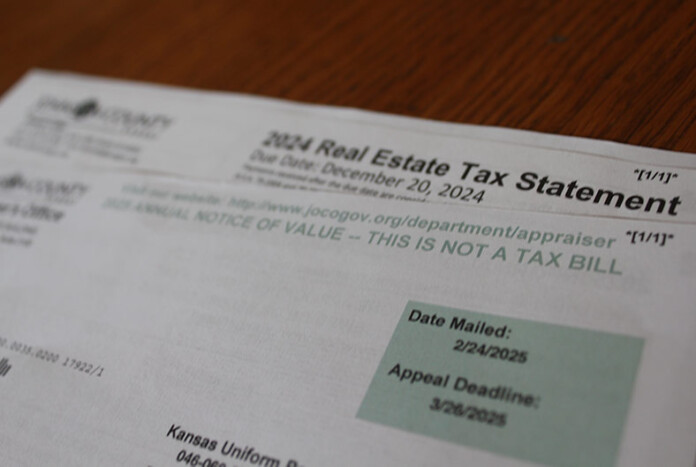
Property taxes are readers’ No. 1 issue, and the Legislature plays a key role. This past session, a valuation-cap amendment cleared the Senate but failed in the House, and a local-spending cap was vetoed, so Kansans again got no meaningful tax relief from Topeka. What specific policies would you vote for in Topeka to lower residential property tax bills for Johnson Countians?
Below are the answers the Post received from candidates on the issue:
District 5
Henry Johns (Democratic)
 School Boards, as well as County/City governments, continue to raise the mill levy rate to meet expenses, to provide the services we expect. Property Taxes are reaching levels that make home ownership difficult for younger people starting out and for older Kansans. The legislature played a role in our tax problems when it failed to fund the Local Ad Valorem Tax Reduction (LAVTR) Funding. Kansas counties lost over $1.7 billion in revenue since 2001, placing the burden on counties to raise the mill rate. The Super Majority Legislature refused to fund the LAVTRF and then repealed the statute (KSA 79-2959). The Legislature can and should fix the problem by fully funding our schools and returning the LAVTRF.
I feel exempting the first $100,000 of a home’s value and caping the percentage at which you tax the remaining value, in addition to reinstating the LAVTRF, would go a long way toward reducing property tax. In addition, I favor legalizing recreational marijuana and taxing it, just like we do with alcohol. That would keep tax dollars in Kansas that are currently going to our neighboring states.
Courtney Sappington (Republican, incumbent)
Did not provide the Post with a response.
District 8
Chris Croft (Republican, incumbent)
 In the past two years alone, I have voted more than ten times to provide property tax relief but there is still more work to be done. That is why I am pushing for a change that would put taxpayers back in control of the property tax conversation. My plan would require voter approval for any property tax increase that exceeds the rate of inflation or 4%, whichever is lower. This would provide taxpayers with a meaningful safeguard against the extreme property tax spikes we have experienced in recent years.
I also support greater transparency throughout the property tax process so homeowners can better understand how their taxes are determined and have a stronger voice when increases are proposed.
The other piece of the puzzle is economic growth. A growing economy and a stronger tax base can generate additional property tax revenue without continually increasing the burden on individual homeowners. We need both: meaningful protections against excessive tax increases and policies that encourage the kind of economic growth that helps keep property taxes affordable over the long term.
Megan Phillips (Democratic)
 This is a top concern when I talk with voters. People want meaningful property tax relief, and they also want to make sure they continue to have access to the public services that make our community great. I don’t believe that a blanket spending approach is sustainable as it will likely push the costs onto another revenue stream. I think the first step in this process is to recognize that one of the primary reasons that property taxes must continuously increase is because our current legislature is drastically underfunding special education services in our public schools which leaves our schools with the bill to fund those programs. They still need to keep the lights on and provide meals and bus services as well as pay teachers and fund our programming, so the money must come from us. We pay the bill with our taxes, but if we actually funded special education at the mandated 92%, we would start to see a meaningful tax break already. In Johnson County, residential properties pay the lion’s share of taxes, so I would also vote for measures that require commercial properties to pay their fair share which would also reduce the burden on families. Additionally, I would vote for a bill that would lower the appraisal value calculation from the current 11.5% level down to 10% which would make a meaningful difference in the math for the average District 8 family. And lastly, I would approve a bill that created a property tax cap specifically for seniors on fixed incomes because this would help them age in place. With these proposals, we can provide meaningful tax relief while continuing to keep our community and our schools running smoothly.
District 14
Charlotte Esau (Republican, incumbent)
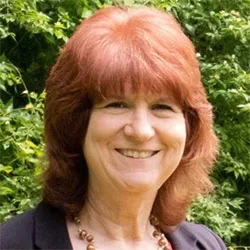 Kansas families are still carrying too heavy a tax burden. While we’ve made meaningful progress in providing tax relief, there’s more work to do, especially when it comes to property taxes.
The number one concern I hear when talking with constituents at their doors is the rising cost of property taxes. Many worry they could eventually be taxed out of homes they’ve worked their entire lives to own. That’s simply not acceptable.
I support a fairer, more competitive, and transparent tax system that provides predictability for taxpayers while responsibly funding essential government services. That includes putting reasonable limits on increases in assessed property values, preventing sudden spikes that leave homeowners struggling to keep up, and giving taxpayers a greater voice before local governments increase their tax burden.
I also believe responsible economic growth can help ease the pressure by expanding our tax base, allowing more taxpayers to share the cost of essential services rather than continually asking existing homeowners to pay more.
I’ll continue working for meaningful tax relief that benefits all Kansans, encourages economic opportunity, and makes Kansas a more affordable place to live, raise a family, and retire.
Sherry Giebler (Democratic)
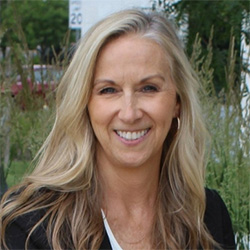 Property taxes are a real affordability issue for Johnson County families, and they are wanting Topeka to provide meaningful relief. I would support a reasonable cap on annual residential assessed-value increases, with appropriate exceptions for new construction and major improvements. The 2026 CAP amendment proposal would have limited annual assessed-value growth to 3%, while allowing the Legislature to make that limit lower. I would judge each bill on its individual merits as it crosses my desk but we have to be skeptical of arbitrary caps and other schemes that could hinder municipal budgets.
I would also support increasing the state’s residential property-tax exemption. There was a proposal for increasing the current $75,000 exemption on the state school mill levy to $150,000. That puts relief directly on homeowners rather than relying solely on local governments to make cuts.
Finally, I would support targeted property-tax relief for seniors and other Kansans on fixed incomes, along with responsible limits on the growth of local government spending that protect essential services.
The key is that we need a comprehensive approach. I don’t want Topeka to simply cap local revenue and then leave cities, counties, and schools to figure out how to pay for police, fire, roads, libraries, and classrooms. We need to lower the burden on homeowners while making sure the services Kansans depend on remain strong.
District 15
Lauren Bohi (Republican, incumbent)
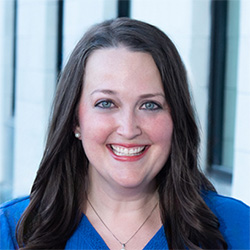 Our current tax policy remains too burdensome for hardworking Kansans. While we have made meaningful progress in providing tax relief, there is still much more work to be done. The number one concern I hear from constituents at their doors is property taxes, particularly the fear of being taxed out of a home they have worked their entire lives to own. While there are no easy solutions, Kansans deserve to have their voices heard and their concerns taken seriously.
We need a more competitive, fair, and transparent tax system that provides predictability for taxpayers while responsibly funding the essential services of government. Among the policies I would support include a cap eliminating valuation spikes and measures to give taxpayers a greater voice in the process. At the same time I will continue to support any meaningful tax relief that benefits all Kansans, protects homeowners, and makes our state a more affordable place to live, work, and retire.
Allison Hougland (Democratic)
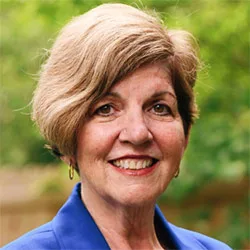 Property tax relief is the number one concern I hear while knocking doors throughout House District 15. For seniors and others on fixed incomes, rising property taxes can mean the frightening possibility of being taxed out of their homes. As a real estate professional since 2017, I have seen firsthand how Kansas communities continue to feel the effects of the 2008 housing market collapse.
The Legislature needs to provide meaningful relief without shifting the burden onto local communities or cutting essential services. In 2024, while I was in office, the Legislature eliminated the Local Ad Valorem Tax Relief Fund, which was intended to help reduce residential property taxes. Even when funding became available, though, the Republican-led Legislature chose to abandon this tool rather than use it to help Kansans. I would support restoring and funding this program to provide direct relief to residential property taxpayers.
We must also examine how state policy affects local property tax bills and pursue responsible limits on unnecessary spending. Any approach must protect essential community services while giving homeowners relief they can actually see.
Property taxes are not just numbers on a bill. They affect whether longtime residents can afford to stay in their homes and whether families can put down roots in our community. House District 15 is my home, too. I will continue fighting for practical, responsible property tax relief that puts Kansas homeowners first.
District 16
Linda Featherston (Democratic, incumbent)

I support fully funding special education. Besides being the law and the morally correct thing to do, it gives local school districts room to lower property taxes. The Kansas Association of School Boards estimates that 39% of our local school property taxes are used to backfill the special education shortfall. That’s roughly $500 yearly on my home – a far cry more than the $72 of yearly property tax relief that some of my colleagues are bragging about by. (By the way, those taxes were designated for university and state building maintenance.)
I have could also support: lowering the residential assessed valuation and creating a six year rolling valuation average to avoid dramatic spikes. When considering the failed caps, it should be noted that Republicans have a super majority. If they thought caps were a good idea, they could have passed them with no Democratic support. I appreciate my colleagues on both sides of the aisle who realized this was nothing more than a tax shift that pushed more of the burden onto our local cities, counties and school districts, as well as being a plan that would drive up the yearly property tax you pay on vehicles
Lastly, it should also be noted that these caps were opposed by a diverse group of advocates. From farmers and ranchers, to the building industry, to county associations and public school advocates, they all asked that we not distort the system by passing a valuation cap.
District 17
Jim Eschrich (Republican)
 I will support a cap that gives homeowners real relief. I am living what many fixed-income residents already know: property taxes keep rising year after year – it’s not sustainable. For people whose property taxes are paid through escrow, that increase is easy to miss until the monthly payment jumps. In our Lenexa household, the property-tax portion alone comes to about $450 a month. Kansas, however, is not one economy. A single statewide formula that fails to distinguish between fast-growing suburbs, rural counties, and cities with different tax bases will not get the votes needed for passage. So, I will vote for a bill that limits residential property tax growth and can work across these different communities. I will not vote, however, for a bill so full of exceptions it is more of a headband than a cap.
Jo Ella Hoye (Democratic, incumbent)
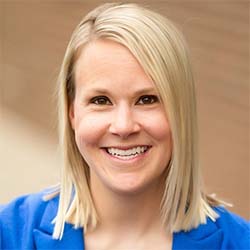
I joined a bipartisan coalition of lawmakers to eliminate the sales tax on food and social security, and we provided over $1 billion in tax relief. Last session, I supported a House bill to implement a 3-year rolling average for property taxpayers as the increase in property taxes is driven by rising home valuations, not mill levy increases. This would help prevent large jumps in our property taxes by building up to the full increase over time. It’s the only proposal that would not have delivered a major blow to local services. Any move on property taxes must be done in partnership with city and county officials, but that is not what happened in the legislature. Instead, leadership pushed through a sure-to-fail property tax bill in the final hours before adjournment.
I voted no on that plan. I do not support the state government placing artificial caps on property values or mill levies, because those are local government responsibilities. One thing I’ve learned over six years in office, problems arise when state lawmakers don’t stay in our lane. House District 17 is home to Shawnee Mission Park, fabulous schools, strong infrastructure, world class public safety, and access to beautiful public libraries. Federal and state cuts to local communities for vital services such as emergency management, food safety and security, mental health, and education are forcing counties, cities, and schools to pick up the slack. Unfortunately, those additional burdens make it difficult for municipalities to hold the line on property taxes.
District 18
Robert Whitman (Republican)
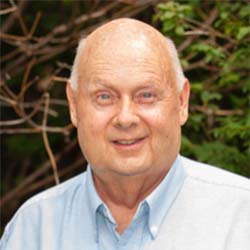
I would vote for a three-percent cap on any increase in assessed valuation of property used to calculate property taxes. For example, if the assessed valuation of a piece of property is $200,000, then the assessed valuation may not rise more than three percent in the next taxing year.
I also support protest petitions for increases in the mill levy. For example, if the mill levy is 20 mills, then the governing body may increase that amount. Citizens may then sign a petition that keeps the mill levy at no more than the current amount. With a sufficient percentage of voters signing the petition (a percentage determined by legislation), an election must be conducted. The choices are to keep the current mill levy or allow the governing body to raise it.
Passing these laws gives citizens a voice in in how much property tax money is raised. Government might have to re-prioritize spending based on available revenue.
Cindy Neighbor (Democratic, incumbent)
Did not provide the Post with a response.
District 19
Mark Hermes (Republican)
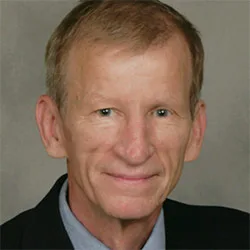 Property taxes are one of the largest tax paid by many Kansas citizens. This tax environment was, and is, the effect of many years of continual increases and adjustments in moving government costs and adding expenses to our property taxes. There is no single solution.
What options does one have? Abolish the real estate property taxes, and phase in alternative sources of funding like fair share purchase taxes. Or, creating a new fund with money from the Kansas two billion dollar rainy day fund and help pay down local property taxes. Or, tax credit given in a variety of many different ways and recipients.
This 2026 legislative session had a selection of options to produce one result of lower Kansas property taxes. Senate Bill SB378 got a hearing with no action. Senate Bill SB488 was also ineffective. Senate Bill SB309 was introduced and received no hearing. House bill HB2745 passed to allow ten percent of voters to sign a petition and block local tax increases exceeding three percent. Senate Concurrent Resolution 1603 to modify the Kansas Constitution and rewrite our state Constitution to cap annual increases in property valuations did not pass, and will likely return to Topeka legislators. Modification to the Kansas Constitution could remove real estate tax completely and end property tax foreclosure sales.
The variety of solutions for decreasing property taxes and improving affordability for Kansas citizens stills has the problem of increased expenses requiring increased taxes. The largest percentage of Kansas taxed expenses is education. Legislation is still required or the property taxes will not decrease.
I am among the many Kansas citizens that have hoped every year that our legislators and governor would produce some relief and improve affordability by decreased property taxes. There are solutions. One would support those options that cease the increase of property taxes without just moving the tax to an equally unacceptable burden to the average Kansas citizen or elderly.
Stephanie Sawyer Clayton (Democratic, incumbent)
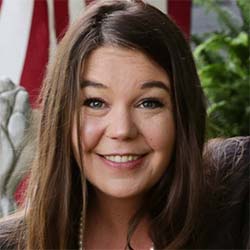
I opposed the valuation cap, because that constitutional amendment is nothing more than smoke and mirrors. It would lead to increases on local mill levies and potentially increases on car registration. The real solution to the issue is two-fold: first, we need a 6-year rolling average on valuations so that we don’t experience the shock of spiking valuations that is hitting Prairie Village, Leawood, and Northeast Overland Park particularly hard. Next, we need to lower assessed valuations for residential property from 11.5 percent to 9 percent. I voted for the 6-year rolling average in several iterations (both as a stand alone bill and amendments), and brought the assessed valuation constitutional change as an amendment both in committee (I am a member of the Tax committee) and on the Floor. We need sustainable solutions for real revenue reform, not political gimmicks that cause more problems down the road.
District 20
Mari-Lynn Poskin (Democratic, incumbent)
Did not provide the Post with a response.
District 21
Jerry Stogsdill (Democratic, incumbent)
Did not provide the Post with a response.
District 22
Reed Krewson (Democratic)
 As a young homeowner in Overland Park, I’ve watched my valuation climb. But my home is also my biggest investment, and I don’t want its value artificially held down by a cap that doesn’t actually solve the problem. A cap doesn’t lower your bill. Local budgets still have to be funded, so mill levies just go up to make up the difference. And homeowners are already carrying more than their fair share. In 1997, residential property paid 38% of Kansas property taxes. By 2024, it paid 57%, while the share paid by commercial property shrank. Real relief starts with the state keeping its promises. When Topeka underfunds special education, our school districts cover the gap with local property tax dollars, more than $119 million in a single year across Johnson County’s four largest school districts. Fully funding special education could be worth hundreds of dollars a year to the average Johnson County homeowner. I’d also work to restore the state revenue sharing to cities and counties that Topeka stopped paying two decades ago, and explore expanding the residential exemption from the statewide school levy so every homeowner sees relief.
District 23
Susan Ruiz (Democratic, incumbent)
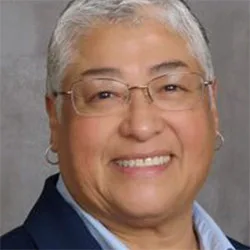 Every property tax reduction conversation needs to start with an explanation of how property taxes are used. It can be said that property taxes are the primary source of funding for local governments to fund services such as first responders, public schools, roads, community colleges, parks and public libraries. The legislature’s ability to pass meaningful tax relief is difficult to address. I am not in favor of disregarding local control. I would rather see what the state can do to fully fund public education/special education that would allow local governments to lower tax assessments. We need to fully fund our public schools and fully fund special education. Currently the state covers 60% of special education funding when we should be covering the 92% threshold. We need an honest bipartisan discussion about lowering the 20 mills in local taxes for K-12 public education to see if this will bring about meaningful tax relief. However, this will not work unless we make a commitment to fully fund public schools/special education.
District 24
Jarrod Ousley (Democratic, incumbent)
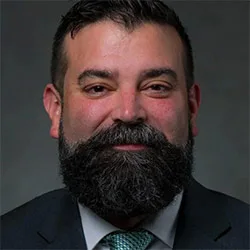 A primary driver of local property taxes is the legislature’s failure to meet its statutory obligation to fund State mandated spending, such as with Special Education funding.
As a result, local school districts have been forced to maximize their “local option budget,” which was initially designed to a local “optional” source of funding that a local district could choose to implement, and shifted them to meet the costs of mandated expenses. Fully funding Special Education at the state level one of path’s to providing local communities with property tax relief and restoring true local control.
Furthermore, the state mandates critical services, such as criminal prosecutions, motor vehicle registration, and ad valorem tax administration, be provided by County governments, while only reimbursing counties for roughly a third of these expenses, according to a recent legislative post audit (https://kansascounties.org/news/714440/Post-Audit-Report-Released-.htm). Fulfilling state funding commitments for these mandated programs would alleviate the financial burden on local governments and reduce reliance on local property taxes.
Finally, eliminating personal property tax exemptions on items like boats, snowmobiles, and golf carts, which are predominantly luxury items, would allow for a stream of property tax income for local counties and municipalities that did not burden homeowners on fixed or lower incomes.
Scott Speicker (Republican)
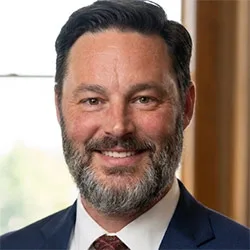 Property taxes and state tax policy – Property taxes are squeezing Johnson County homeowners, seniors, and working families. When property values surge, local governments collect massive revenue windfalls without changing mill rates. Kansans need real, structural reform—not temporary band-aids.
To deliver permanent property tax relief, I will vote for four specific policies in Topeka:
- Constitutional Valuation Caps: Put a constitutional amendment on the ballot to cap annual residential property valuation growth at 3% to end unpredictable tax spikes.
- Local Spending Limits: Require local taxing authorities to get direct voter approval before spending tax revenue that grows faster than inflation plus population growth.
- Top-to-Bottom State Audits: Apply my data analytics background to audit state agencies, eliminate wasteful spending, and redirect savings to fund public schools—reducing the burden on local property mill rates.
- Enforceable Subsidy Clawbacks: Mandate strict clawbacks on corporate tax abatements. If subsidized companies fail to deliver promised jobs and wages, their tax exemptions should be revoked and returned to taxpayers.
District 25
Rui Xu (Democratic, incumbent)
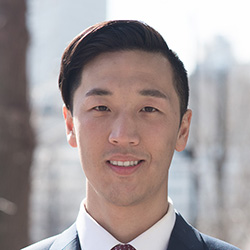
As of now, the state of Kansas controls $0 of your property taxes. We do collect 20 mills for school funding, but that is remitted directly back to the school districts. It would be easy and convenient for politicians to promise you that a property valuation cap will help you out, but at best, this is misleading (there is no guarantee that a valuation cap saves you any money; that’s not how your taxes are calculated) and at worse, this creates other inequities (houses next to each other will pay vastly different amounts of property taxes, based on when it was sold; this will shift the tax burden to younger Kansans).
There have also been proposals that cap local city/county/school spending. While this actually WOULD slow down property tax growth, I’d rather not do this. Local elected officials are elected to run their budgets, and I don’t want the state to get more involved in that process than necessary.
So what other options are out there? A few, some of which have been in place in the past:
- Reinstate a sales tax revenue sharing program, where the state sends money to the cities and counties to reduce the property tax burden. This was formerly known as the Local Ad Valorem Tax Reduction Fund.
- Expand the tax base. The easiest way to reduce or slow property taxes is to grow your tax bases. More businesses mean more tax money, reducing each households’ share. More households means the same thing. Last year, the legislature passed SB418, which aimed at creating more starter homes. We’ll continue looking at more options.
Unfortunately, there are no simple solutions or levers here; if a politician tells you there is, they are misleading you. But with smart growth and reinstating some cost sharing, we can make Kansas a more affordable place to live.
District 26
Laura Johnson (Democratic)
Did not provide the Post with a response.
Chip VanHouden (Republican, incumbent)
Did not provide the Post with a response.
District 27
Sara Kiewiet (Democratic)
 Kansans deserve meaningful property tax relief, but it must be sustainable and should not simply shift costs onto other taxpayers or local services. My first priority would be to fully fund the state’s share of K-12 education so local school districts are not forced to rely more heavily on property taxes to meet their obligations.
I would also support increasing the residential exemption for owner-occupied homes and expanding targeted relief for seniors, veterans, and families on fixed incomes. Taxpayers also deserve greater transparency in local budgets and regular reviews of government spending to identify efficiencies.
Property tax reform should provide real relief to homeowners while protecting the services Kansans rely on. I would not support a solution that lowers one tax bill by pushing costs onto local governments, schools, public safety, or other taxpayers.
Sean Tarwater (Republican, incumbent)
 I supported, advocated for, and voted for every single bill that lowered property taxes. Unfortunately, the only bill the Democrats supported was one that allowed your property taxes to increase by 9%. That is ridiculous! Governor Kelly vetoed 2 of the bills that we passed. This cannot happen again.
Now that I have eliminated property tax at the state level, I will continue to remain laser focused on protecting Kansans from unfair, massive property tax increases at the local level.
District 28
Alex Bergman (Republican)
 Controlling rising property taxes is my number one priority. I believe it is unfair that rising property taxes disproportionately burden seniors and longtime homeowners, many of whom fear being taxed out of the homes they have lived in for decades. I support capping annual increases in assessed property values at 3% and requiring voter approval for tax increases, giving taxpayers a greater voice in decisions that directly impact their finances.
Bryan Mouber (Democratic)
 Valuation caps or limits are a gimmick, and everyone who proposes them knows it. First, you cannot freeze your taxes without freezing the pay of every fireman, policeman, and teacher. Second, this has been tried in both California and Colorado and failed. Finally, the legislature conducted a study on this policy and determined caps would increase automobile taxes by 27% to make up the revenue shortfall.
There are better ways to lower residential property taxes:
1. Fully fund gifted and special education.
By giving school districts the funding they should be receiving from the state, the Blue Valley schools will have the power and flexibility to affect their 50% portion of our local property taxes.
2. Fix the special interest favors given to commercial and agricultural interests that have messed up our Johnson County tax base.
Today, 70% of property taxes come from residences, which is why our taxes are unfairly high. Fixing one constitutional amendment will restore the property tax base to approximately 1/3 residential-1/3 commercial-1/3 agricultural and immediately lower residential property tax by about 25% with no cuts to the state or local budgets that depend on property taxes.
3. Stop hamstringing and micromanaging local cities and counties.
For the last 10 years, the state has removed city/county revenue sharing. This costs Johnson County and its cities approximately $40MM per year. The state still requires cities and counties to provide the same level of state-mandated services. Restoring these funds while at the same time granting cities and counties flexibility in generating revenue to cover these costs can allow cities and counties to lower property taxes.
District 29
Heather Meyer (Democratic, incumbent)
Did not provide the Post with a response.
District 30
Amelia Wiederaenders (Democratic)
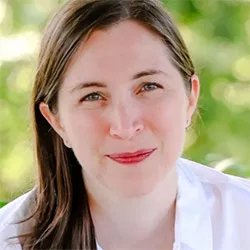 Kansas exempts business aircraft from property taxes and also exempts an individual’s boats, ATVs, and campers. The Kansas legislature should reverse these exemptions and reduce homeowners’ property taxes. I would also vote to fully fund special education so the local government no longer has to rely on property taxes to cover the gap.
Laura Williams (Republican, incumbent)
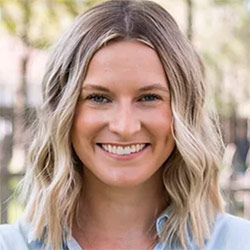 When I’m knocking on doors across Lenexa and Olathe, no issue comes up more often than property taxes. I see it firsthand as a homeowner too, because my own tax bill keeps going up year after year, making it harder for families to plan and keep up with everyday costs. For many people, especially seniors on fixed incomes, those rising bills create real stress and can threaten their ability to stay in the homes they worked their whole lives to afford. That is why I support a constitutional amendment to cap property tax increases and stronger protections when local governments seek to raise more than the revenue neutral rate. Kansans deserve predictability, transparency, and meaningful relief. In Topeka, I will keep fighting for policies that protect homeowners and taxpayers in Johnson County.
District 39
Zach Maier (Democratic)
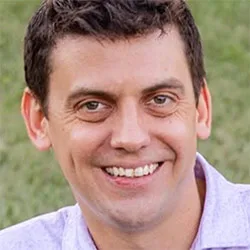 One party has had a veto-proof supermajority in the Kansas House since 2011. They could pass whatever they wanted to — but Johnson County homeowners are still waiting for meaningful relief. Sixteen years of failure to deliver.
My opponent seems to forget her time on Shawnee City Council, where she voted to raise property taxes three years in a row. Now she advocates for “Brownback 2.0” tax caps, which organizations across the political spectrum have testified against. Hard caps are a path to defund our police, fire, and roads.
Luckily, we have real policies that actually lower property taxes. Here are four:
1. Fully fund special education. The state promises 92% of the extra cost and pays about 65%, and that shortage lands right on your property taxes. If the Legislature stepped up and kept their promise, we’d have stronger schools and a lower bill.
2. Resurrect the LAVTRF, which shares state sales tax revenue with cities and counties. My opponent voted twice against funding this property tax relief, and then she voted to abolish the program entirely. Bring it back and fund it.
3. Cut the residential assessment rate from 11.5% to 9% in the Kansas Constitution. Homes were a third of the tax base in 1992 and are now approaching two-thirds. Let’s go back to how it’s meant to be.
4. Let seniors 65 and older defer property tax increases until the home changes hands. Texas and Maryland have similar programs, we can easily launch one here.
Angela Stiens (Republican, incumbent)
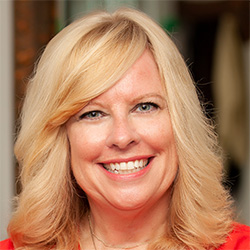
Property taxes are one of the biggest concerns I hear from Johnson County residents, and I believe taxpayers deserve more control over what they pay.
First, I support allowing Kansans to vote on a constitutional amendment that would limit excessive annual increases in residential property valuations. Homeowners should not face unpredictable tax increases simply because property values in their neighborhoods continue to rise.
Second, I support giving taxpayers more power over local and county budgets. I voted for legislation that would have provided taxpayers with a protest-petition process to challenge excessive increases in local property tax revenues and potentially put those increases before voters. Local governments should have to justify significant spending increases and be accountable to the people paying the bills.
I have also advocated for electing county appraisers to provide greater accountability and transparency in the valuation process.
Meaningful property tax relief requires addressing both sides of the equation: rising property valuations and the spending decisions that drive tax bills higher. My goal is to protect homeowners, particularly seniors on fixed incomes and families struggling with affordability, while ensuring local governments can continue providing essential services.
District 43
Kristen Schultz (Democratic)
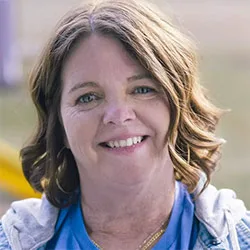 I support meaningful property tax relief for Kansas families, but I don’t believe a cap on home valuations alone is the answer. We need to look at both sides of the equation: what homeowners are paying and why local governments and schools need those dollars in the first place.
One place I would start is by fully funding special education. During my nearly seven years on the school board, I saw firsthand how the state’s failure to meet its funding obligations forces school districts to divert money from their general funds to cover special education costs. That puts additional pressure on local budgets and taxpayers. When the state fulfills its obligations, it can help ease that pressure without compromising the services students and families depend on.
I also support targeted property tax relief, particularly for seniors on fixed incomes and veterans who may struggle to keep up with rising costs. I would look at expanding existing relief programs so more eligible homeowners can benefit, including reviewing income and home-value limits that may prevent people from qualifying.
Finally, we need to take a closer look at the tax incentives we offer large corporations and developers. The 20-year state and local sales and use tax exemption recently granted to data center developers raises important questions about how we balance economic development with the long-term interests of Kansas taxpayers. We should be having serious conversations about the public benefits we receive in exchange for these incentives.
My test for any proposal would be: does it actually lower the burden on Kansas families without shifting the cost to cities, counties or schools and cutting the services our communities depend on? Property tax relief should make life more affordable for families without creating new financial pressures for the local governments and schools that serve them.
Bill Sutton (Republican, incumbent)
Did not provide the Post with a response.
District 48
Dan Osman (Democratic, incumbent)
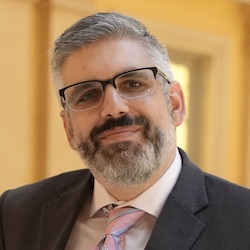 As the policy chair for our caucus, not only did I vote in favor of property tax relief, but I also introduced on behalf of our party multiple bills relating to tax relief. Here are just a few:
- Property tax freezes for eligible seniors and disabled veterans (HB 2632)
- Providing homestead exemption to renters (HB 2074)
- Increasing the exemption from the statewide school levy (HB 2278) (HB 2631)
- Allowing for counties to levy liquor enforcement tax to go towards property tax reduction (HB 2630)
- Changing the state constitution to lower assessed valuations from 11.5% to 9% (HCR 5025)
I even voted in favor of multiple Republican ideas including one that would provide funds to Counties for property tax relief and one that would change appraisals to a rolling average to decrease appraisal spikes.
It was unfortunate that Republicans in the House and the Senate fought throughout the session on the “correct” way to provide relief. No compromise was reached and nothing substantial was passed to help Kansans. We’ll try again this year.
If you have questions or ever need to reach me, e-mail me anytime at [email protected]
District 49
Nikki McDonald (Democratic, incumbent)
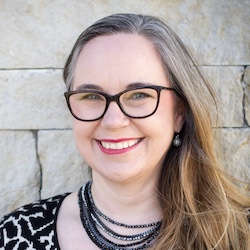 The best tax policy is a balanced approach. A healthy tax system functions like a three-legged stool, with property taxes, sales taxes, and income taxes each contributing to stable revenue. When one source is reduced too aggressively, the burden often shifts to the others. Currently, the 3 legs of the stool are not in balance.
I would like to see more tax brackets, not fewer. I oppose a flat tax because it is regressive and disproportionately benefits higher income earners while reducing the state’s fiscal flexibility.
I oppose arbitrary property tax caps, as well. These caps would hinder the ability for municipalities & schools to have a predictable tax structure. It is a priority to me that our police, fire, EMS and teachers are paid a competitive wage. This is done through property taxes. Arbitrary caps would have harmful ripple effects.
In my time in the Legislature, I have voted on tax relief that is both targeted and strategic, helping those who are most burdened, such as seniors on fixed incomes, and disabled veterans, for example. I will be supporting these types of policies in the coming session.
I support responsible tax relief, particularly property tax relief, while ensuring enough revenue to maintain our strong schools, public safety, workforce investments and infrastructure to help Kansas families, communities, and businesses thrive.
Tricia Sinclair (Republican)
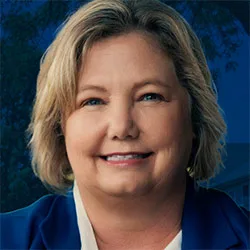 When I’m out knocking on doors and visiting voters in my district, property taxes are the #1 issue. They have gone up by approximately 30% in JOCO over the last 4 years. I would vote for the measure to allow up to a 3% cap unless voters approved more. The cap gives local governments the ability to give the decision to voters to see if they would favor an additional increase. It creates another opportunity for open dialogue with voters, so they know what money is collected and how it’s being spent.
District 78
Robyn Essex (Republican, incumbent)
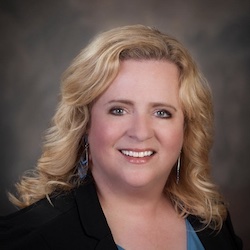 Actually, Kansas has passed meaningful tax relief every year since 2023. We eliminated sales tax on groceries, exempted the first $75,000 of your home from the statewide mill levy, and eliminated income tax on Social Security. We also simplified the income tax structure from three brackets to two, increased deductions and exemptions, and raised the income threshold for the lower tax bracket, protecting more income from taxation.
Most people don’t realize Kansas also eliminated state property taxes except for the 20 mills collected for schools. The rest of your property taxes are local.
Last year, the Senate’s property tax proposal involved a constitutional amendment to cap home appraisal values. While that might sound appealing, it favored longtime homeowners over new buyers, rewarded inaccurate valuations, and triggered reassessments after home improvements. It shifted the tax burden rather than reducing it, raising concerns about the constitutional requirement for uniform and equal taxation.
The House proposal focused on the actual tax rate rather than home appraisals. It proposed a 3% cap on property tax revenue increases, with allowances for inflation and growth. It also gave taxpayers a way to challenge increases above the cap through a protest petition. Local governments that stayed below the cap would receive a state stipend that could go towards public safety, infrastructure, and other mandated services.This is the approach I supported because it focused on controlling tax increases rather than simply shifting the burden to others.
Tim Lundberg (Democratic)
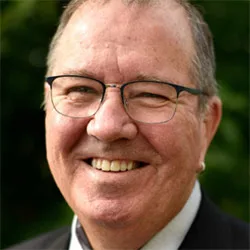 Property tax income for the state has traditionally been view as a “three legged stool”, with income from residential property, commercial property, and oil and gas extraction comprising the three “legs”. This metaphorical stool provides the best support (and is less likely to tip over in the event of a problem) when the legs are nearly even. This is far from the current state of affairs. In Johnson County, taxes on residences currently amount to 70% of all property tax collected. That’s more than double what a balanced amount would be.
The poor solutions proposed by the Republicans recently would simply have passed the burdens from one set of homeowners to another. Think of it as squeezing a balloon – the portion you squeeze shrinks, but the balloon just gets bigger elsewhere. The solutions I back are these: Amend the State Constitution to increase the exempted home value and reduce the state mill levy. I am also interested in exploring letting cities choose to add their own tax levies to the sale of certain items such as liquor, tobacco or fuels. This would give them options beyond property taxes to fund municipal services.
District 108
Brandon Woodard (Democratic, incumbent)
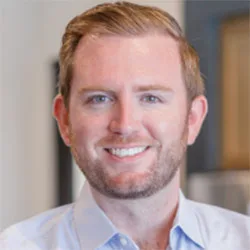 I proudly voted against the Senate’s artificial “cap” on property taxes as it would have priced first-time home buyers and seniors wanting to downsize out of the market. California tried this artificial cap and it backfired and I was not willing to have the same experiment here in Kansas. Property taxes are something our cities and counties are primarily responsible for, but I believe if the State works with our local units of government, we can address the rising valuations by implementing the House’s plan to spread the increases over a 6-year rolling average. Here in District 108, the overwhelming majority of constituents are renters. We must address increasing rent increases in Topeka, as well.
District 117
Brandon Holland (Democratic)
Did not provide the Post with a response.
Adam Turk (Republican, incumbent)
Did not provide the Post with a response.
District 121
Thomas Palenske (Republican)
 I would vote to let Kansans authorize limits on taxable residential valuation growth, limit increases in local property-tax collections without taxpayer approval, and increase the residential exemption from the statewide school levy when dependable state revenues can replace that funding. Valuation limits and spending discipline need to work together.
But the real measure is whether you can afford to keep your home. A lower mill levy means little if rising valuations still push your bill higher. Seniors should not be priced out of homes they paid for, and young families need predictable costs after closing. Schools, roads, and public safety still need reliable funding, so relief must include an honest plan for those services. I want budgets people can understand and results they can see on their bills.
Kelsey Stock (Democratic)
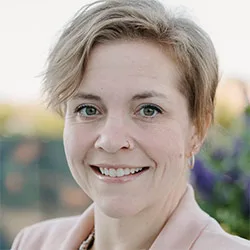 I know that property taxes are the biggest issue on so many Kansans’ minds because they are feeling the consequences of our state leadership. In looking at the governors budget and the states income and expenditure plans, we must work together to develop meaningful and creative solutions to give money back to Kansans. We are remiss to think that we can fix the property tax issue without impacting other areas of the budget. Property taxes play in to a much larger equation- school funding, property taxes, health insurance- each issue impacts the other. We cannot have meaningful property tax relief unless our leaders are willing to actually work together for progress.
Coming up:
Tomorrow, we will publish the candidates’ responses to the following question:
Readers want to hear what statehouse candidates say about fully funding public schools and special education, in particular. At least 17 readers raised this concern in response to the Post’s call for questions. Four Johnson County school districts are moving toward potentially suing the state over special education funding, arguing Kansas has for years paid less than what state law calls for, leaving districts to cover the gap. Would you vote to fully fund special education? How would you pay for it?
 Thanks for reading! If you value having an independent news outlet keeping tabs on local government, schools and taxes, we're asking you to contribute to our Education Reporting Fund.