Earlier this summer, the Post asked our readers what issues you wanted to hear candidates in federal, state and local races address leading up to the Nov. 3 election.
Based on that feedback, we developed a five-item questionnaire centering the issues most important to residents across Johnson County.
Each day this week, we’ve published the candidates’ responses to one question. So far, we’ve published responses on property taxes and county spending, voting access, license plate readers and data centers.
Today, we’re publishing candidates’ responses to the final question:
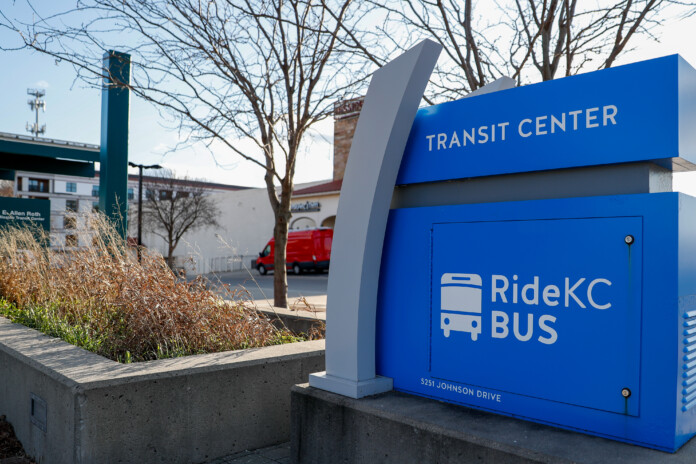
Johnson County’s bus system has struggled for years to draw riders in our car-dependent county. This summer, the county spent $6.8 million, mostly in one-time grants, on free World Cup bus routes that seemed to run well below capacity. Meanwhile, the county’s Transit Fund is expected to end 2026 with about 3% of annual spending in reserve, and more than a dozen buses are past their useful life. Is public transit worth investing more local money in? What should transit in Johnson County look like 10 years from now?
Below are the answers the Post received from candidates on the issue:
Chair
Karen Crnkovich
 Yes, public transit is worth investing in, but Johnson County needs to rethink what that investment looks like.
My biggest concern is that these conversations did not happen sooner. The county knew the current funding model was becoming unsustainable, yet we waited until reserves were critically low and much of the fleet was aging before seriously addressing what comes next.
At the same time, simply spending more money will not create riders, as demonstrated by the World Cup “experiment”. We should right-size the system around actual demand, including smaller and more efficient vehicles where appropriate, stronger use of microtransit, regional partnerships and service focused on employment centers and high-demand corridors.
Most importantly, we should protect reliable transportation for seniors, people with disabilities and residents who truly depend on transit.
Ten years from now, Johnson County should have a smaller, smarter, more flexible system built around measurable need, utilization and outcomes, not around maintaining routes or vehicles simply because that is how we have always done it.
Mike Kelly (incumbent)
 A modern, flexible transit system that meets the needs of our growing community is necessary to maintain a world-class County. Whether it be seniors utilizing transit to maintain independence in their homes, or for residents getting to work, we need appropriate transit for Johnson County to thrive. But that doesn’t mean transit needs to look and feel like it did 20 years ago. Over the past 18 months, we worked with hundreds of residents to create and adopt a Strategic Transit Plan that I look forward to rolling out in the coming years. This plan focuses on robust, frequent service in high need areas and remains nimble to match the right kinds of transit services where they best fit in the County. As the county continues to grow and change, the transit system must adapt accordingly.
Our pilot program for the World Cup utilized Federal grant funds to meet the needs of the tournament, but also showcased to our residents what different destinations and uses of transit are possible for our community. Moving forward, we will look at the best funding mechanisms, including Federal matching grants to replace our aging fleet as well as appropriate fees for service to fund and effectively deliver a safe transit system that will have a sustained impact for Johnson County.
District 1
Ben Hobert
 The mass transit deficit spending was easily foreseeable and should have been corrected long ago. Johnson County does not have the density necessary to support an intricate web of routes. Instead, the reality is that only certain core routes should be maintained but only after careful analysis of ridership and usage. The ability of disabled and car-less individuals will need to be served through private means or individual vouchers when deemed appropriate. Taxpayers can’t afford to waste their hard earned dollars on 45 and 60 passenger buses operating at low usage rates as was the case with the KCI-FIFA pilot program. The buses must be right-sized and the web to get to core routes must be provided in a more cost effective manner.
Becky Fast (incumbent)
 Johnson County’s Transit Strategic Plan, adopted by the County Commission in November 2025, provides a long-term direction for strengthening transit within existing resources while building a more reliable and financially sustainable system. Budget constraints, rising operating costs, and federal and state reductions have resulted in several service changes in 2026 including discontinuing lower ridership routes.
The strategy is not simply about reducing services, but it is also about concentrating limited resources where transit demand is the greatest and where improvements can provide the greatest community benefit. Future phased investments include increasing frequency along key corridors such as Metcalf Avenue. At the same time, paratransit remains a critical service for seniors and residents with disabilities who cannot drive. Demand for paratransit has increased by approximately 69% since 2021, reflecting both growing need and an aging population.
The goal must be a transit system that is both fiscally responsible and responsive to the people who depend on it. As our population ages and transportation needs grow, we need to continue investing strategically to improve frequency and reliability on our highest-demand corridors. The challenge is balancing fiscal sustainability with access to mobility. For many seniors, people with disabilities, and residents without reliable transportation, transit is not a convenience it is their connection to medical appointments, work, shopping, and essential services.
District 4
Teresa Erb
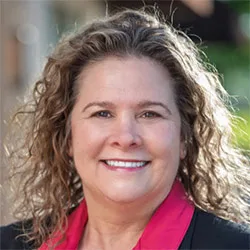 I believe public transit is worth investing in, but we need to be thoughtful about what kind of system makes sense for Johnson County and how we pay for it. Our spread-out, car-dependent communities present challenges for traditional bus service, and we should be willing to explore more flexible and cost-effective approaches.
Public transportation is particularly important for older adults, people with disabilities, and residents who do not have reliable access to a car. It can also help people get to work, medical appointments, and other essential destinations. As our population grows and ages, these needs will become increasingly important.
The low ridership on the World Cup buses demonstrates why we need to carefully evaluate demand before committing substantial resources to new services. At the same time, the county’s aging bus fleet and depleted transit reserves cannot be ignored. We need a financially sustainable plan that prioritizes essential services, evaluates performance, and makes responsible investments in equipment.
Ten years from now, I would like to see a more flexible, efficient transit system that combines reliable bus service along high-demand corridors with on-demand transportation where traditional routes are impractical. Better coordination with neighboring communities and regional transit providers should also be part of that vision.
District 5
Michael Ashcraft (incumbent)
 If memory serves correct, in 2012, a “Blue Ribbon” committee issued a report on developing a “fully functional, vibrate” mass transit system with “only” an 8-12 Mil increase in property taxes. (That was a non-starter for the majority of the BoCC that that time.)
Since then, there have been any number groups and efforts to revive and expand mass transit operations in the county. While there is an ongoing interest in serving certain populations, e.g. the elderly and disabled, community surveys repeatedly show that Public Transportation is a low funding and community priority for residents in general noting that during “tight budget conditions” (11% support), “important to provide” (6% agree), “top priority for next 5 years” (6% agree), “primary reason for living in JoCo” (1% within the margin of error of zero), and “most important reason to stay in JoCo” (1% within the margin of error of zero).
I have and will continue to support various trials and attempts to find meaningful and cost-rational transit solutions, but, in my opinion the mid-west is best served by individual consumers. Having said that, we should not preclude exploring and expanding other transportation options such as Paratransit, Rideshare, and future AI assisted vehicles. In my opinion, Big Box Buses don’t make sense in most cases at most times.
Greg Mitchell
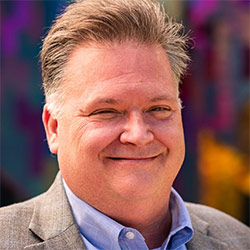 High gas prices, traffic congestion, and the overall cost of buying and maintaining a vehicle will drive changes in demand for personal and public transit over the next several years. The question is, to what degree? I suspect that, over time, demand for public transit will increase. While I don’t think a fully developed public transit system is necessary in the immediate future, I think it is prudent to plan and slowly build out the infrastructure we will need in the future.
I am open to the idea that we may be underutilizing the current system and that, in the short term, it may make sense to replace buses past their useful life with smaller, less expensive ones. That said, I believe a resilient infrastructure plan for the future makes sense. This plan does not need to sink or commit to future costs but needs to recognize the likely future needs – and plan for them. For example, planners should anticipate future needs and plan to make them possible. To further illustrate by example, we may envision that someday we may need more bus stops, perhaps at specific locations. Rather than building those bus stops today, we should build the infrastructure so a future bus stop is possible and less expensive than a complete overhaul at a later date.
 Thanks for reading! If you value having an independent news outlet keeping tabs on local government, schools and taxes, we're asking you to contribute to our Education Reporting Fund.